 Trent Pehrson
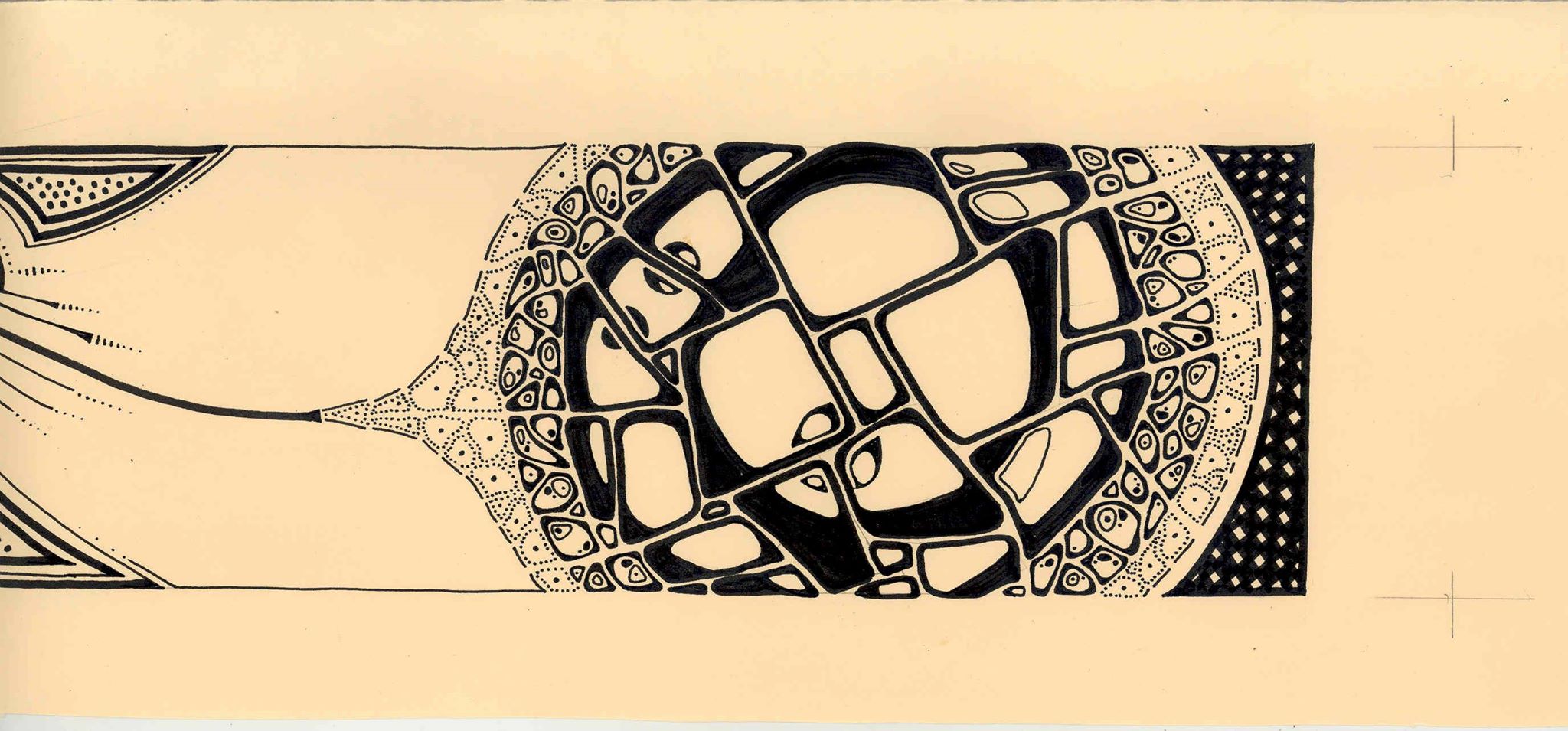
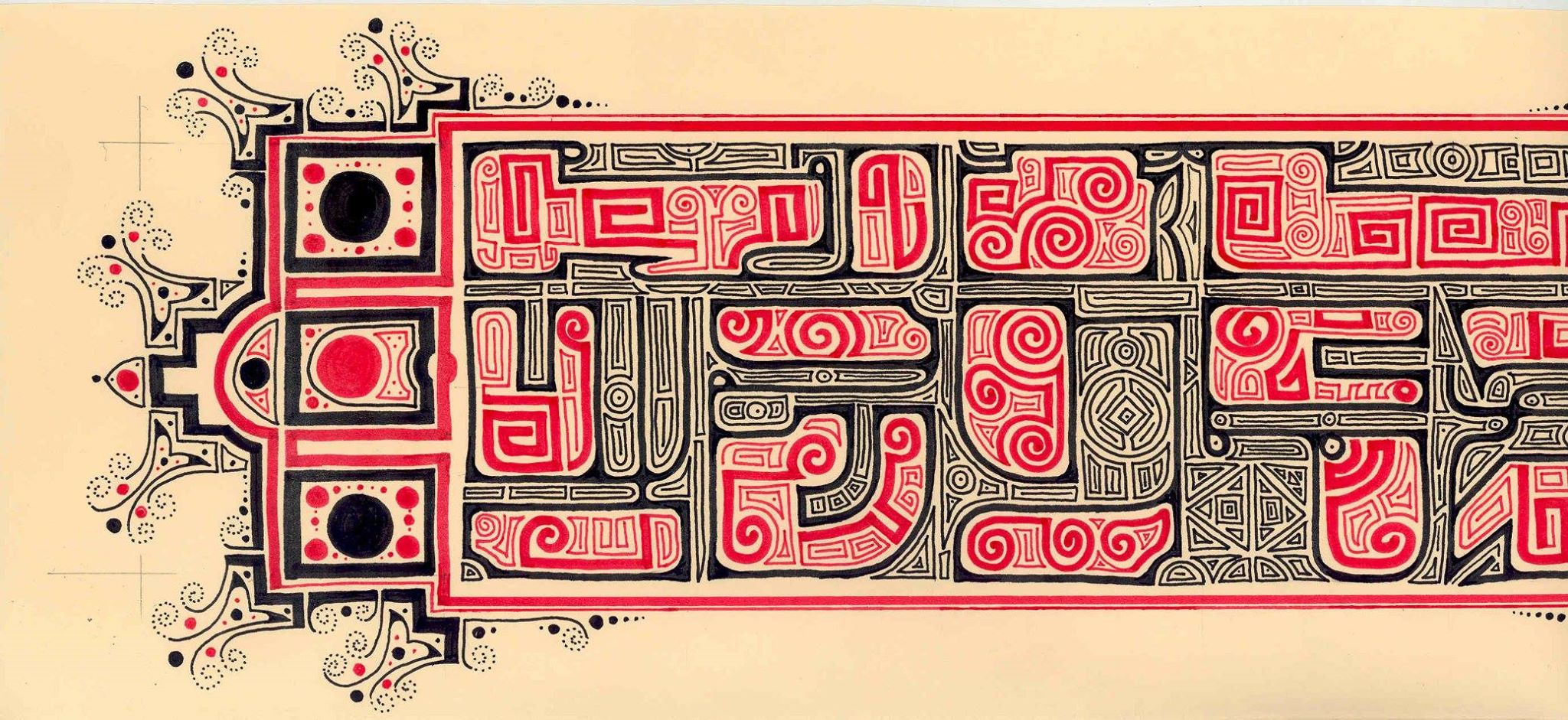
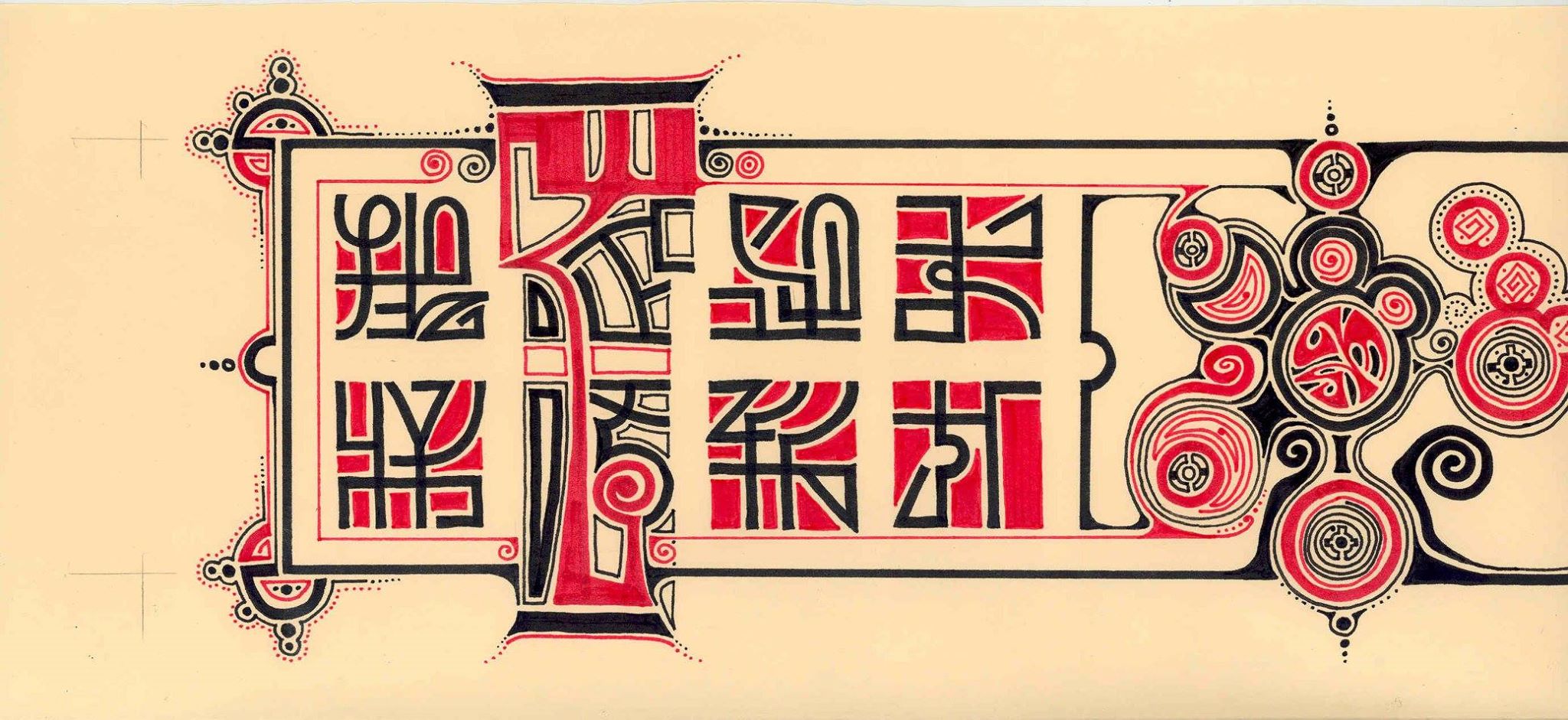
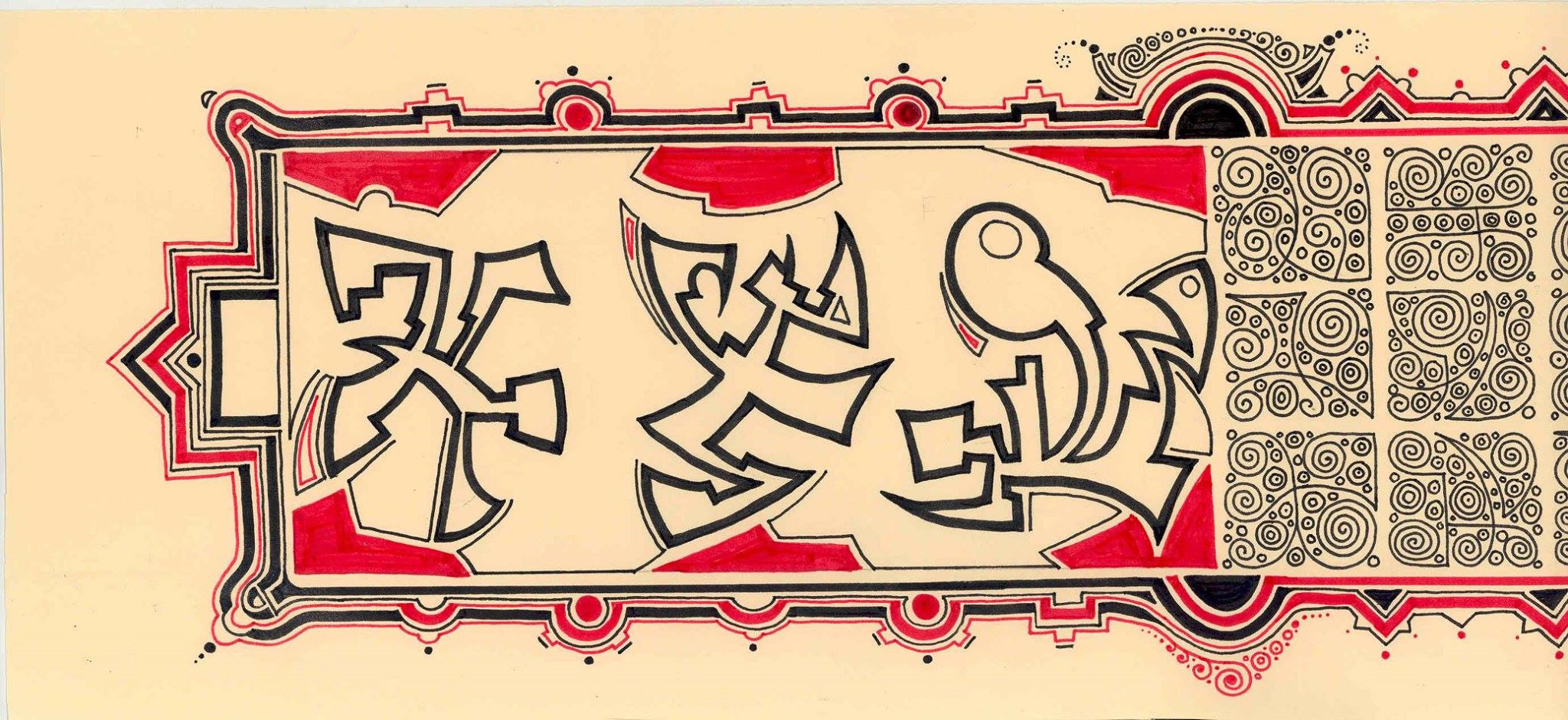
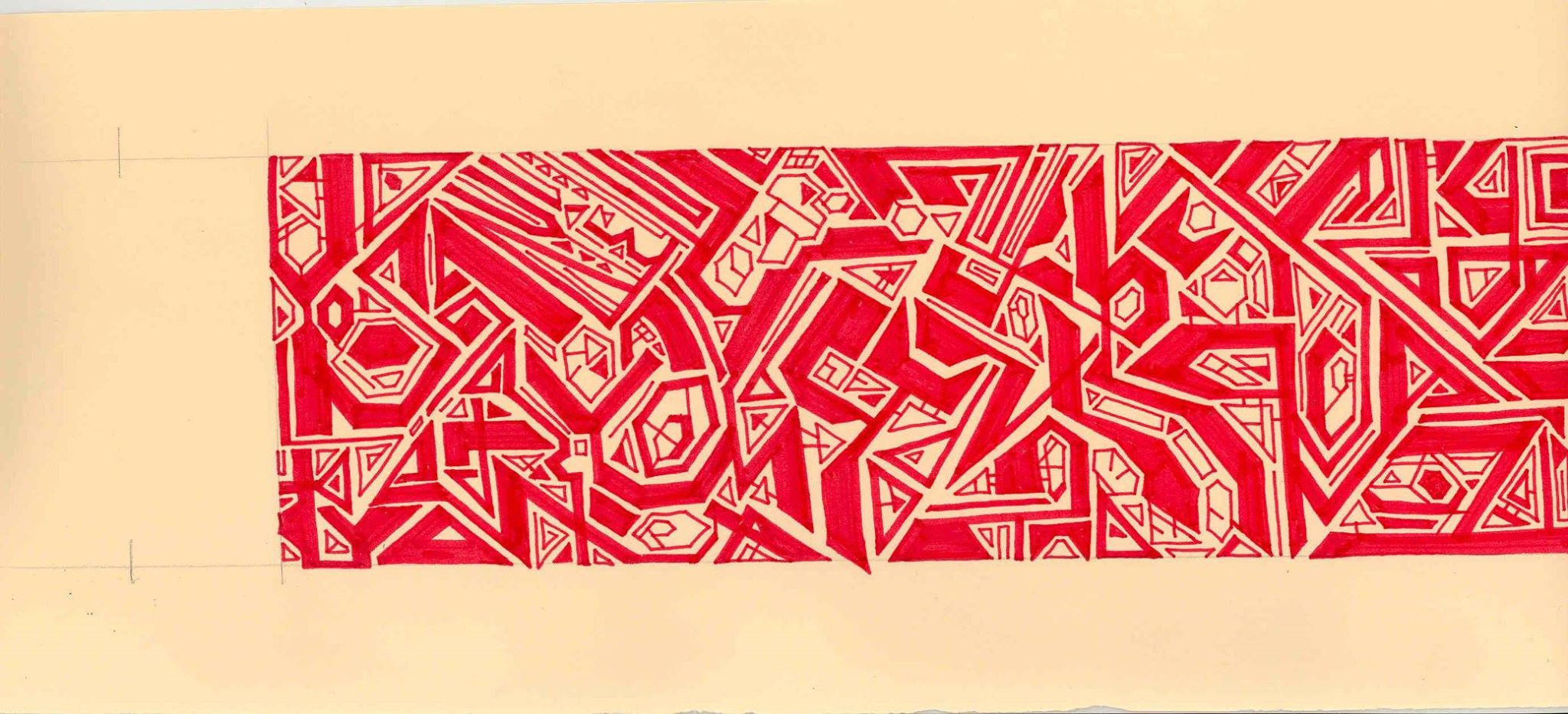
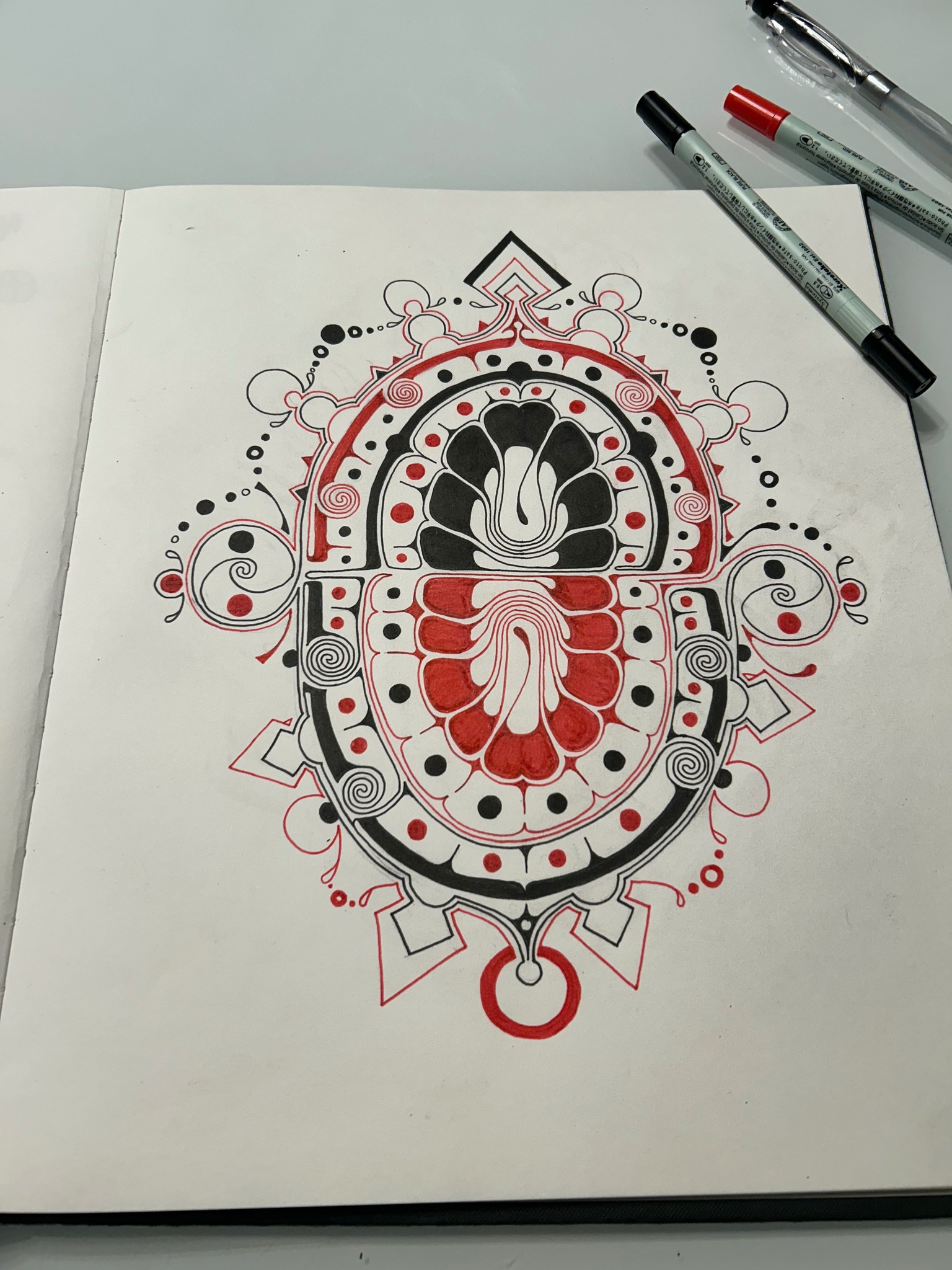
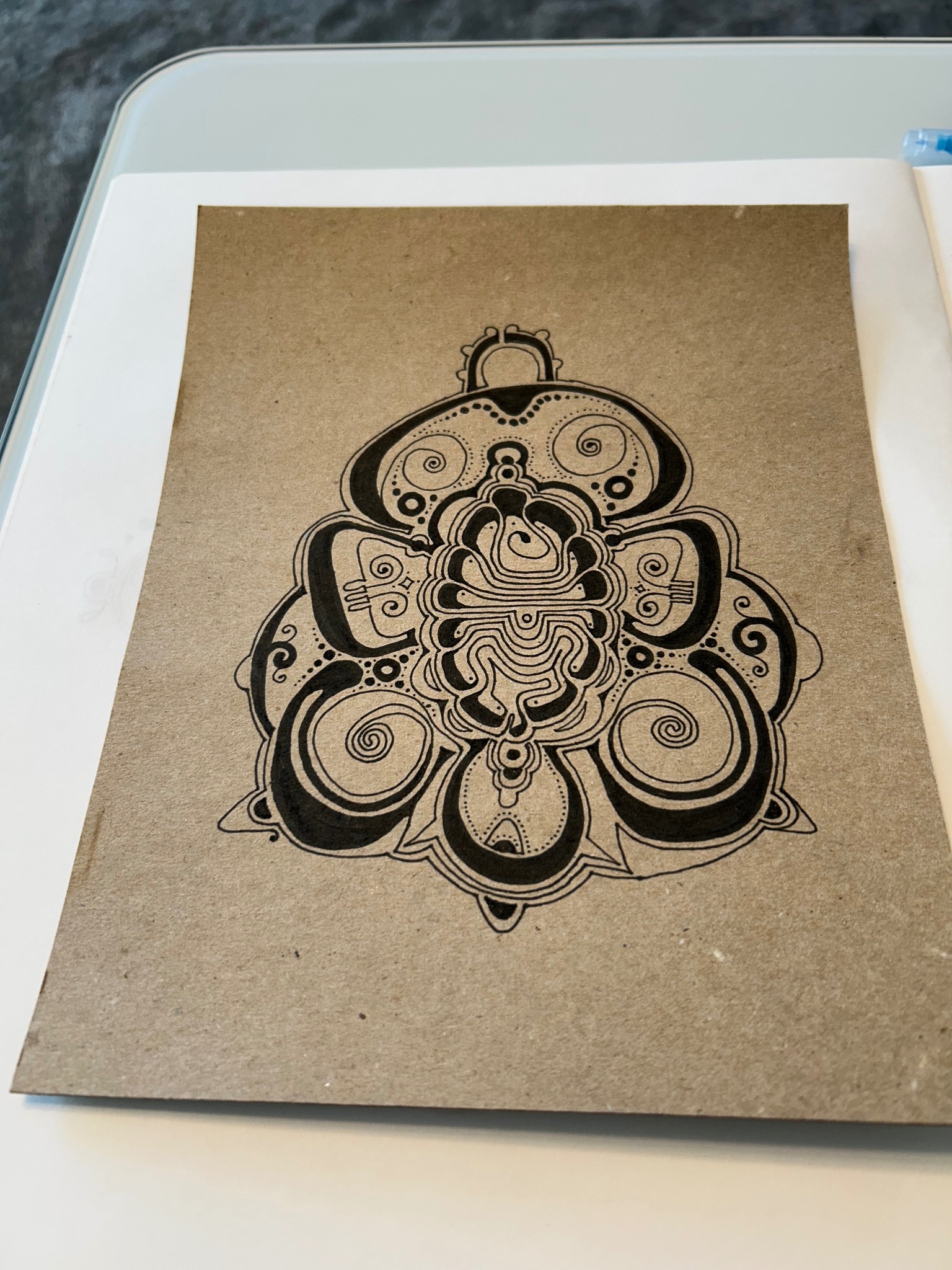
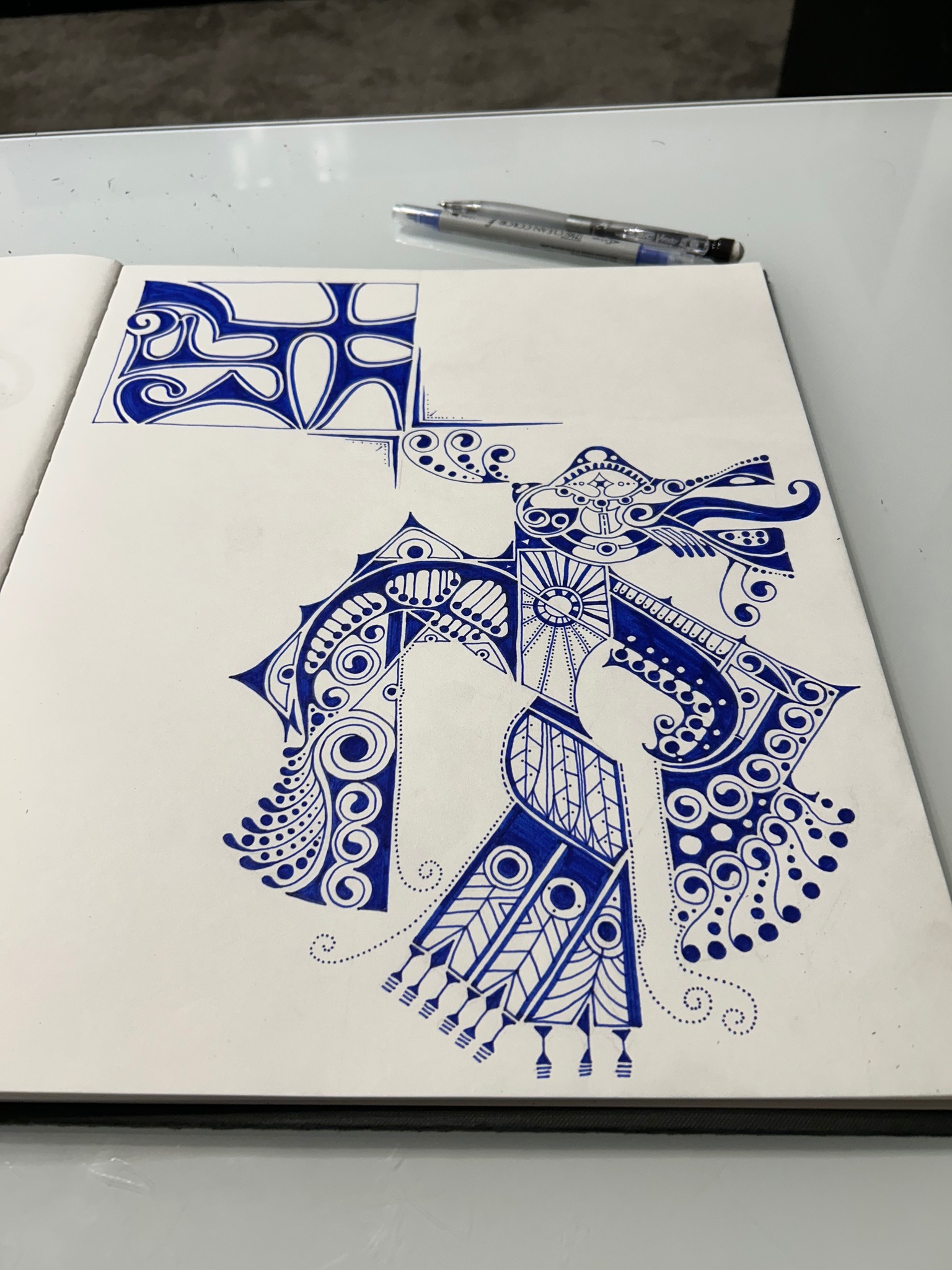
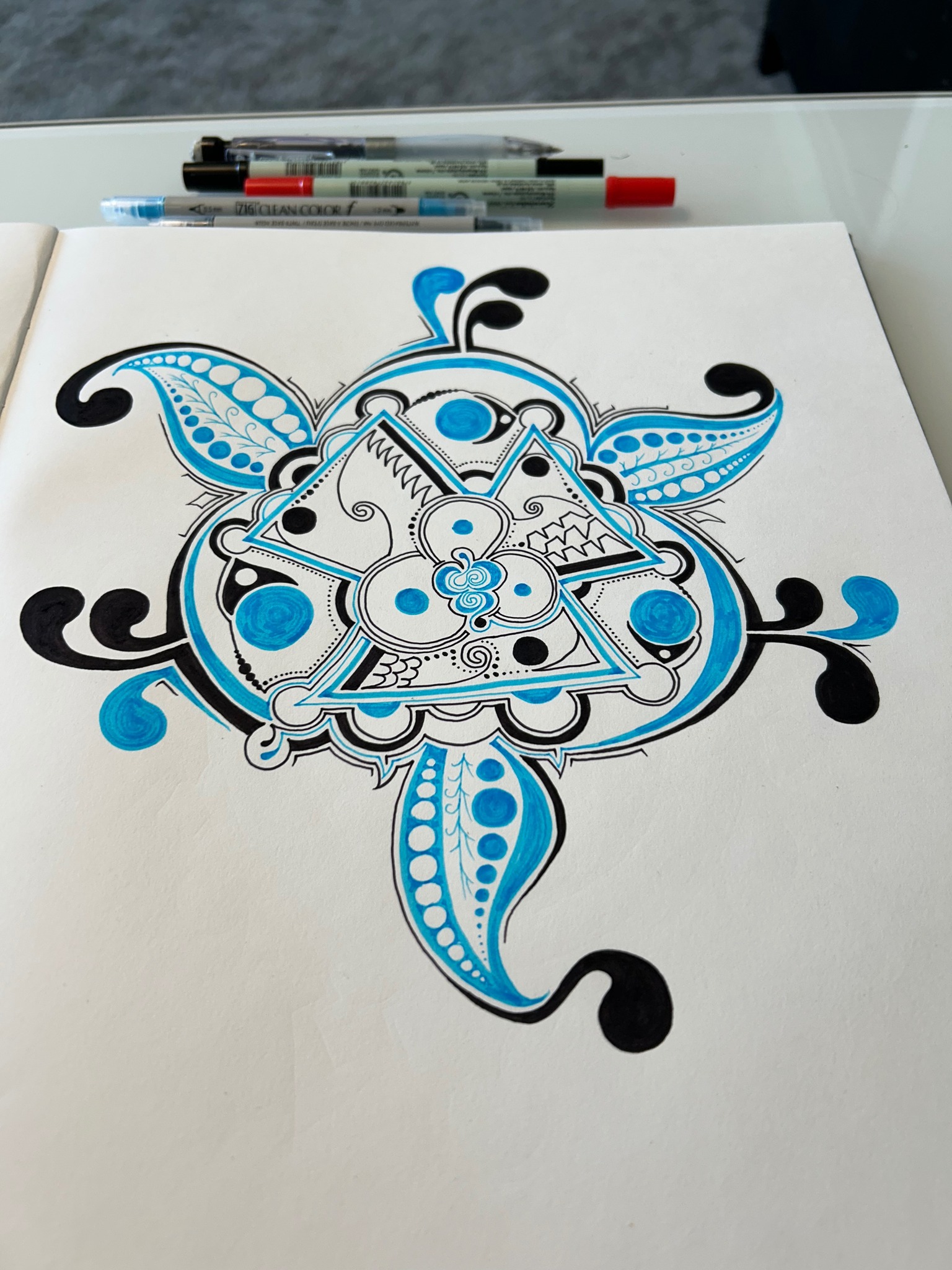
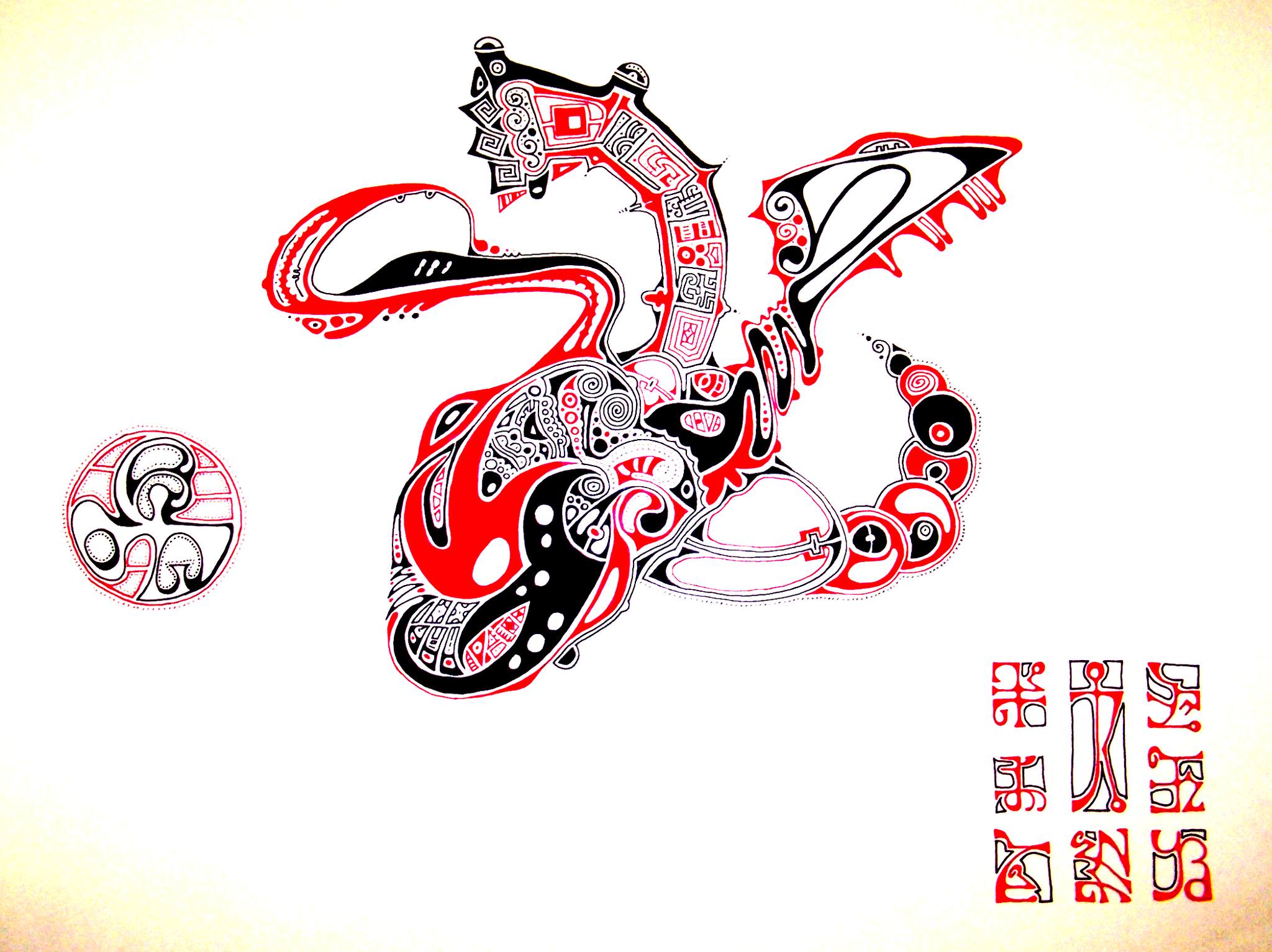
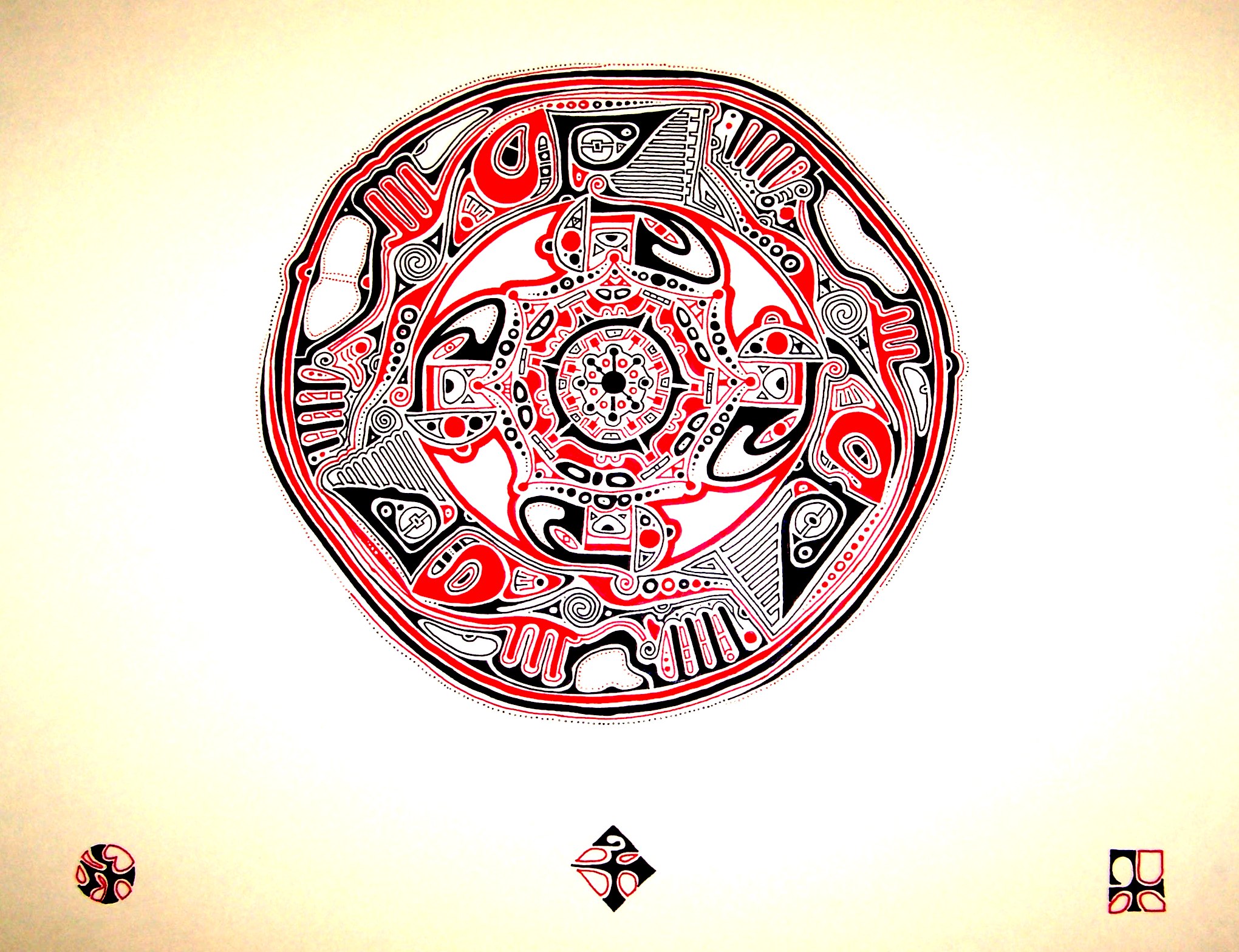
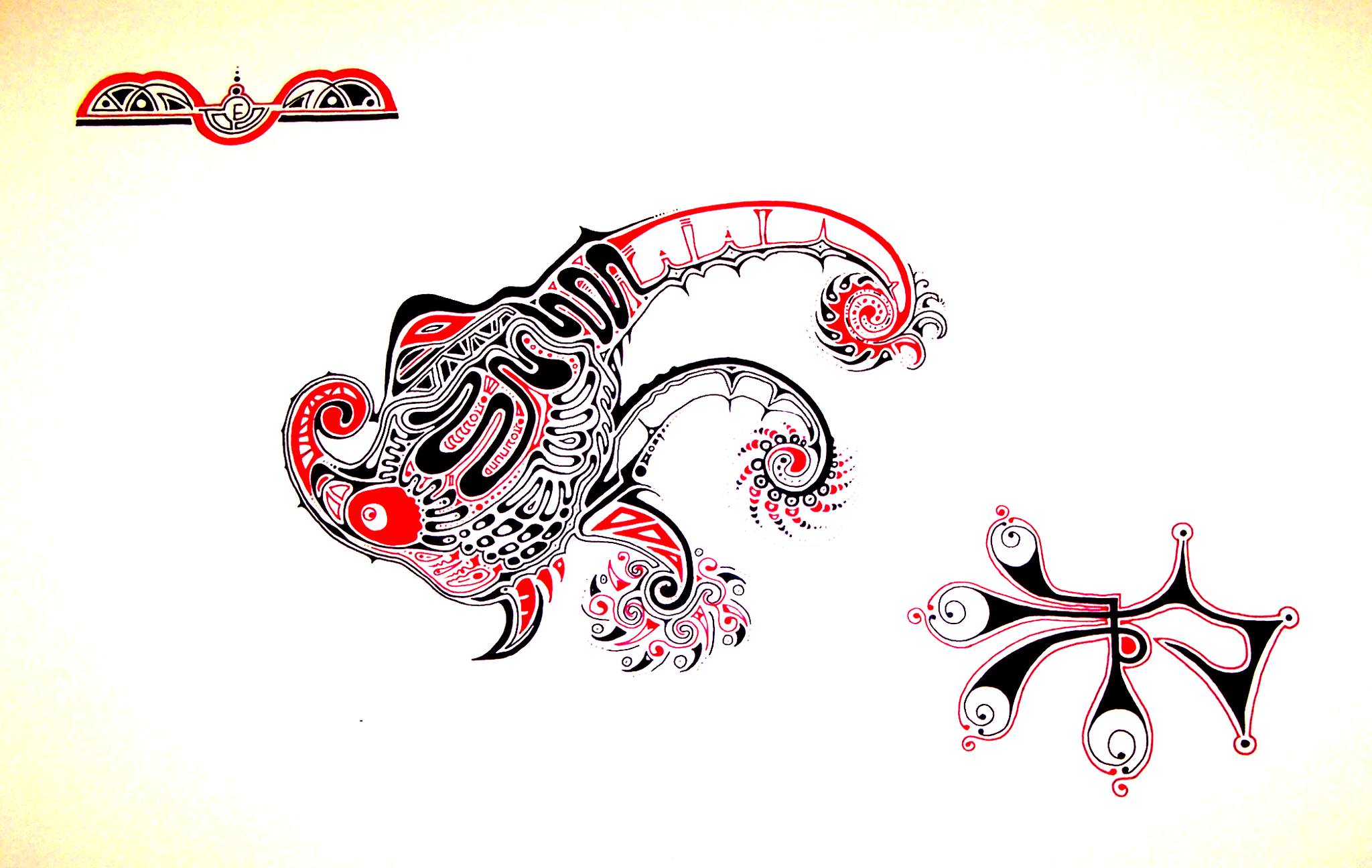
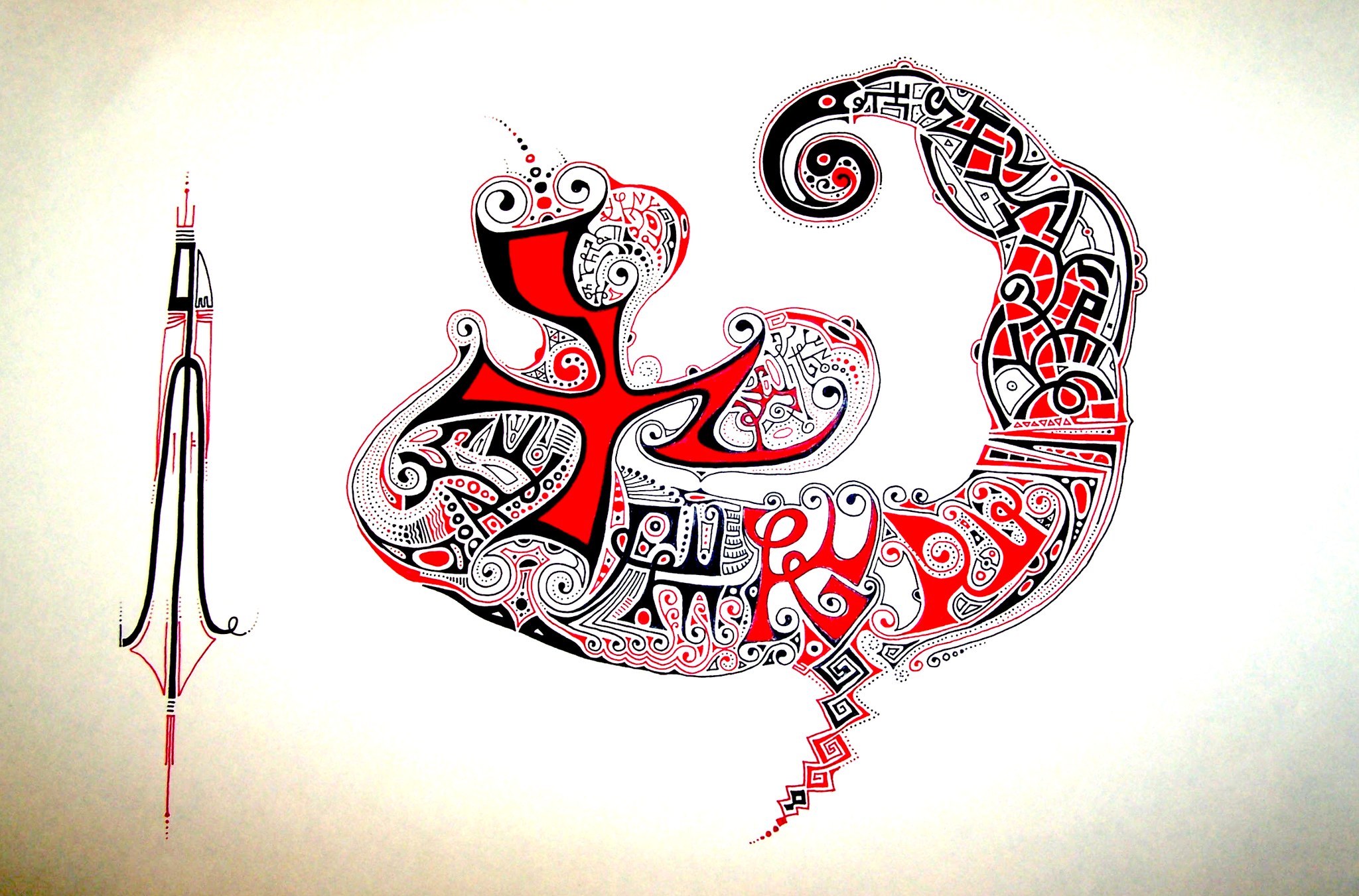
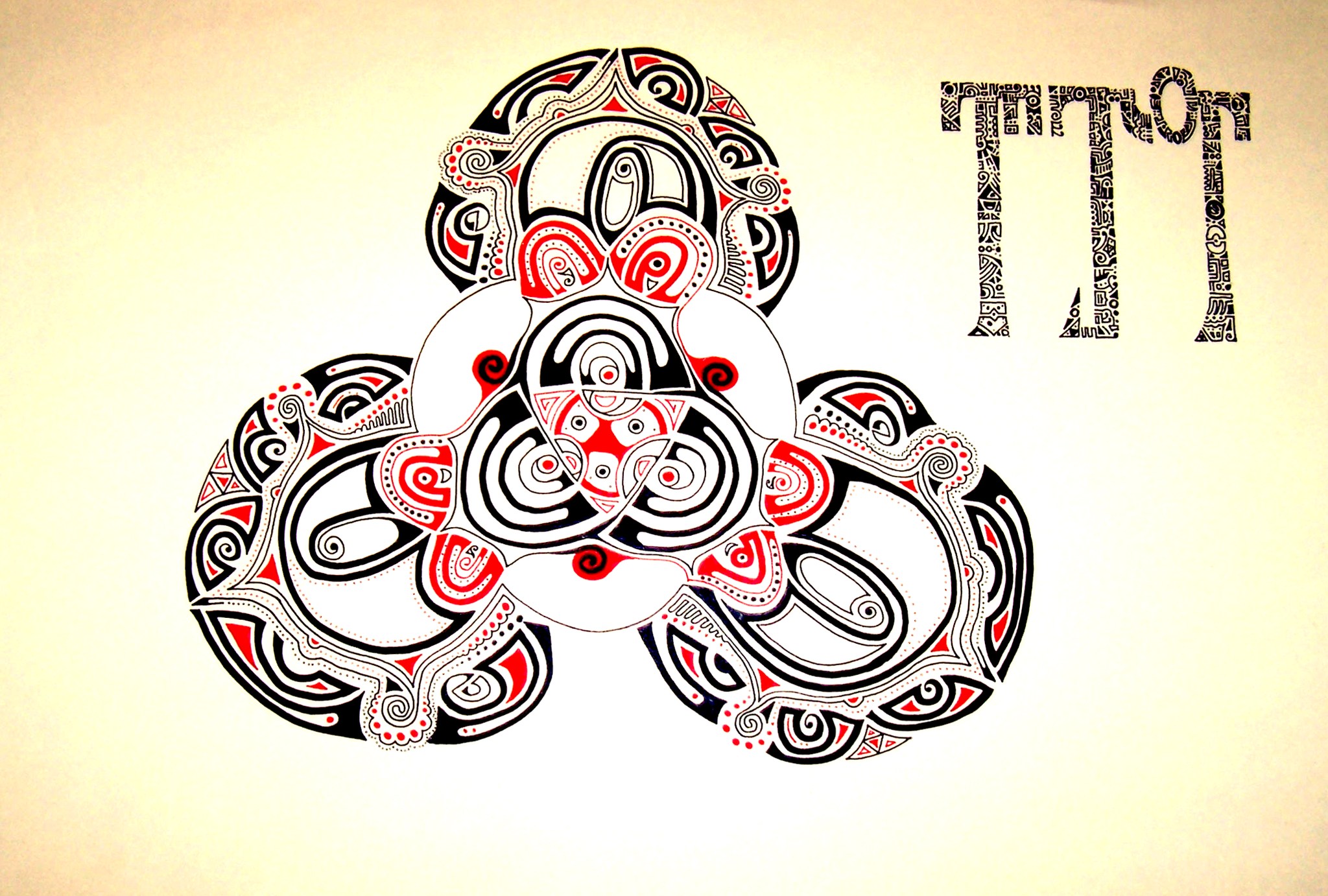
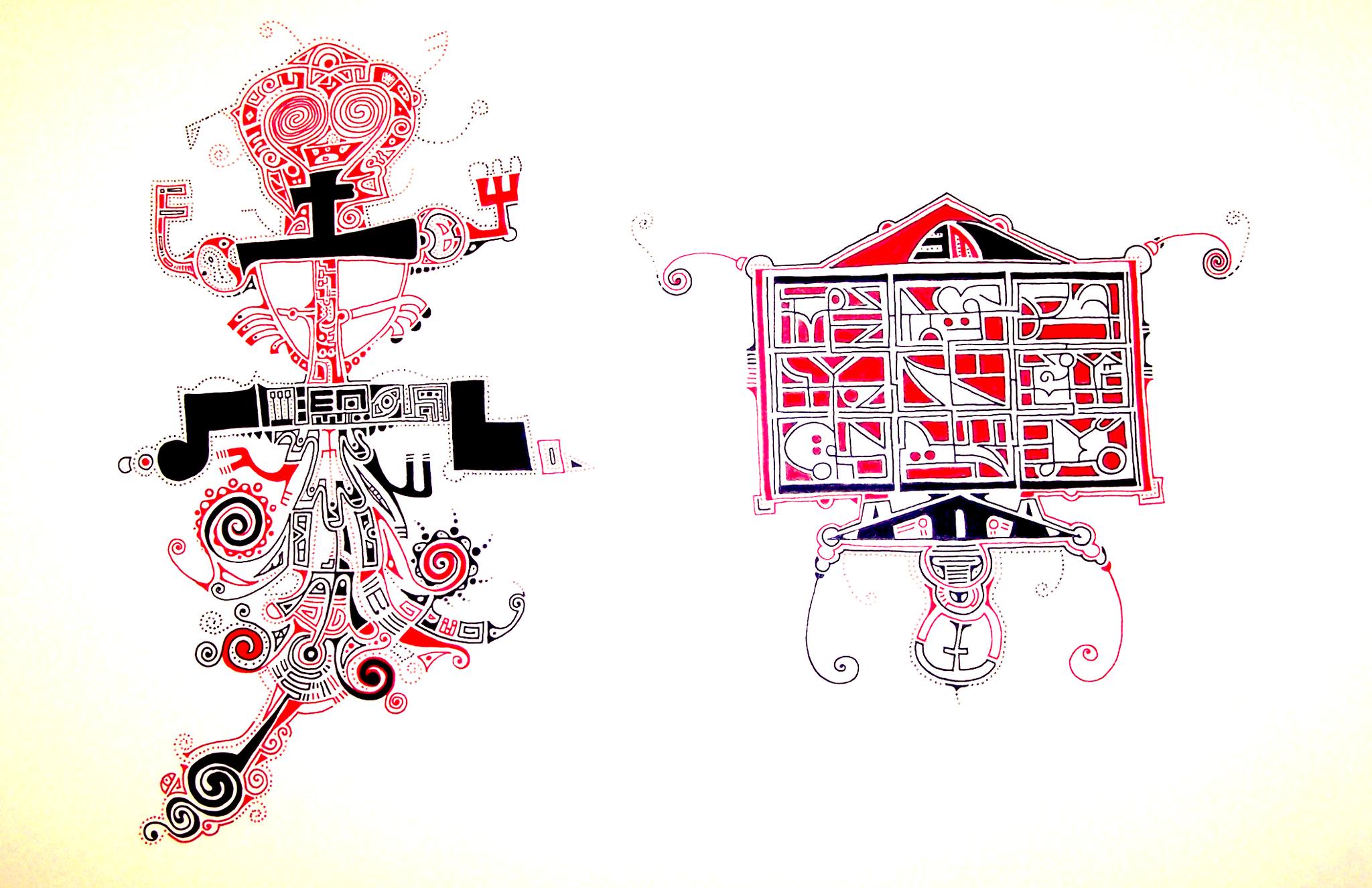
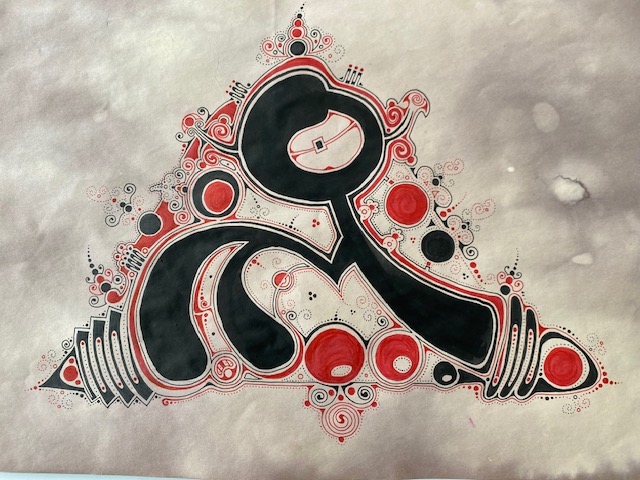
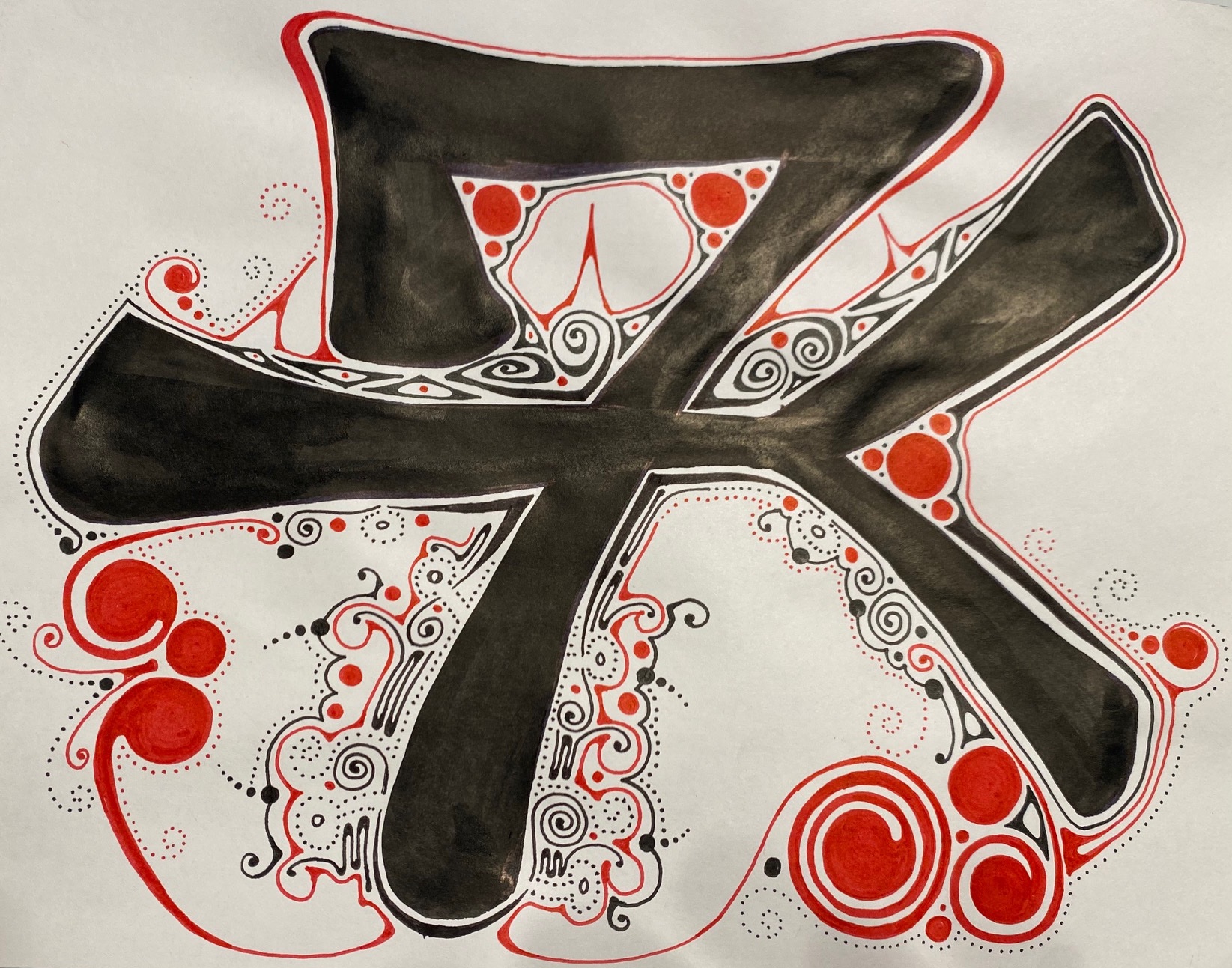
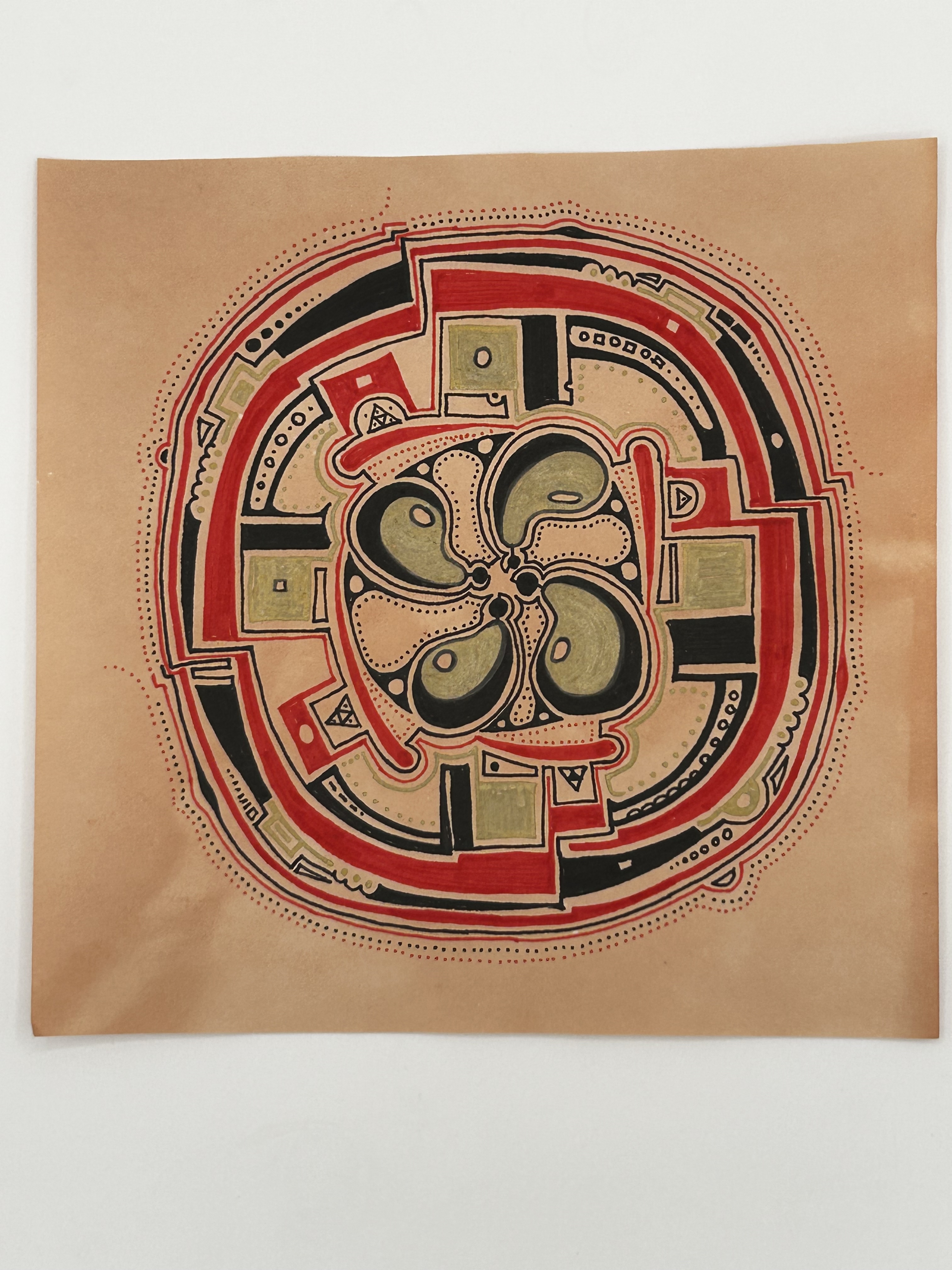
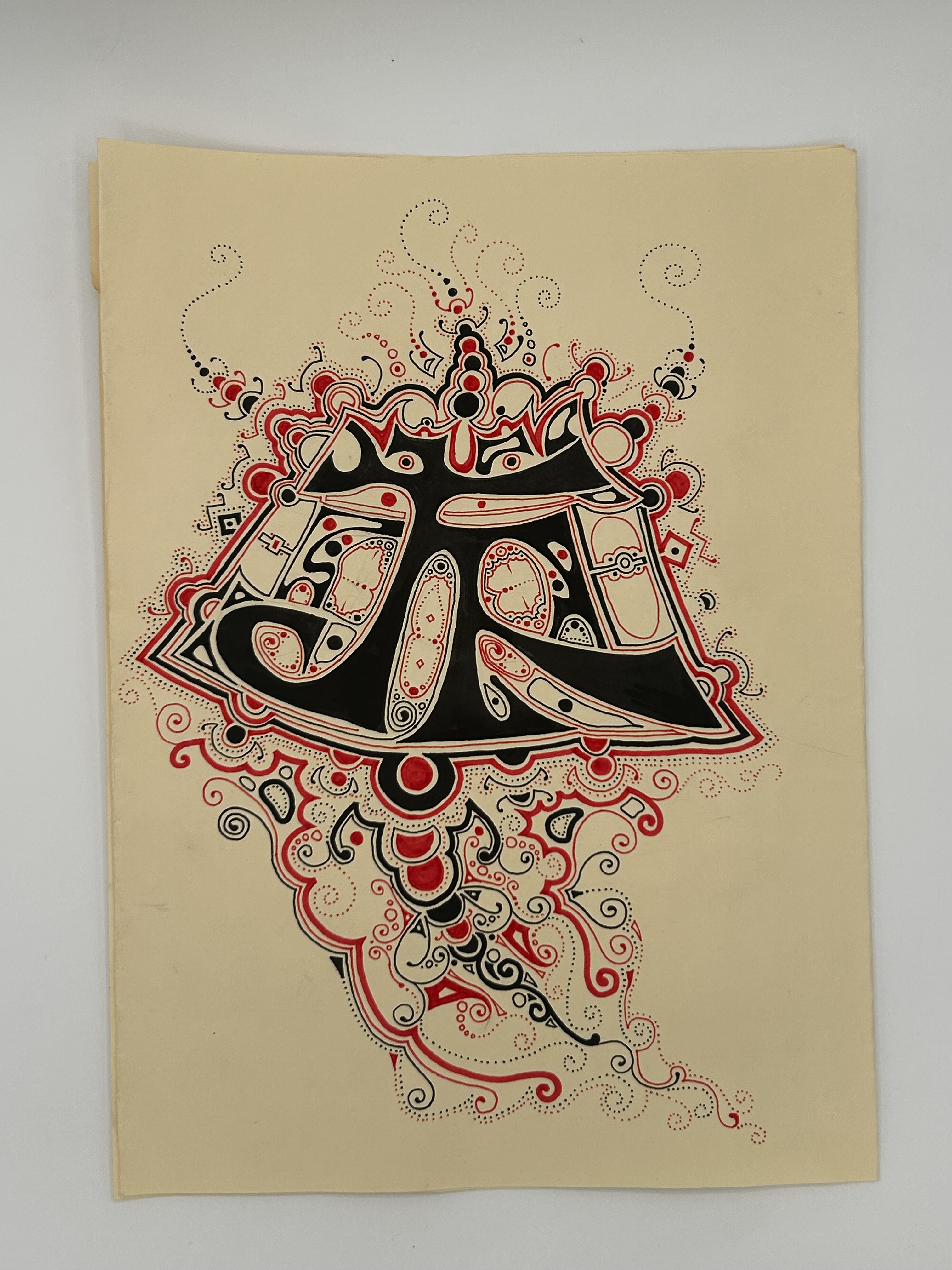
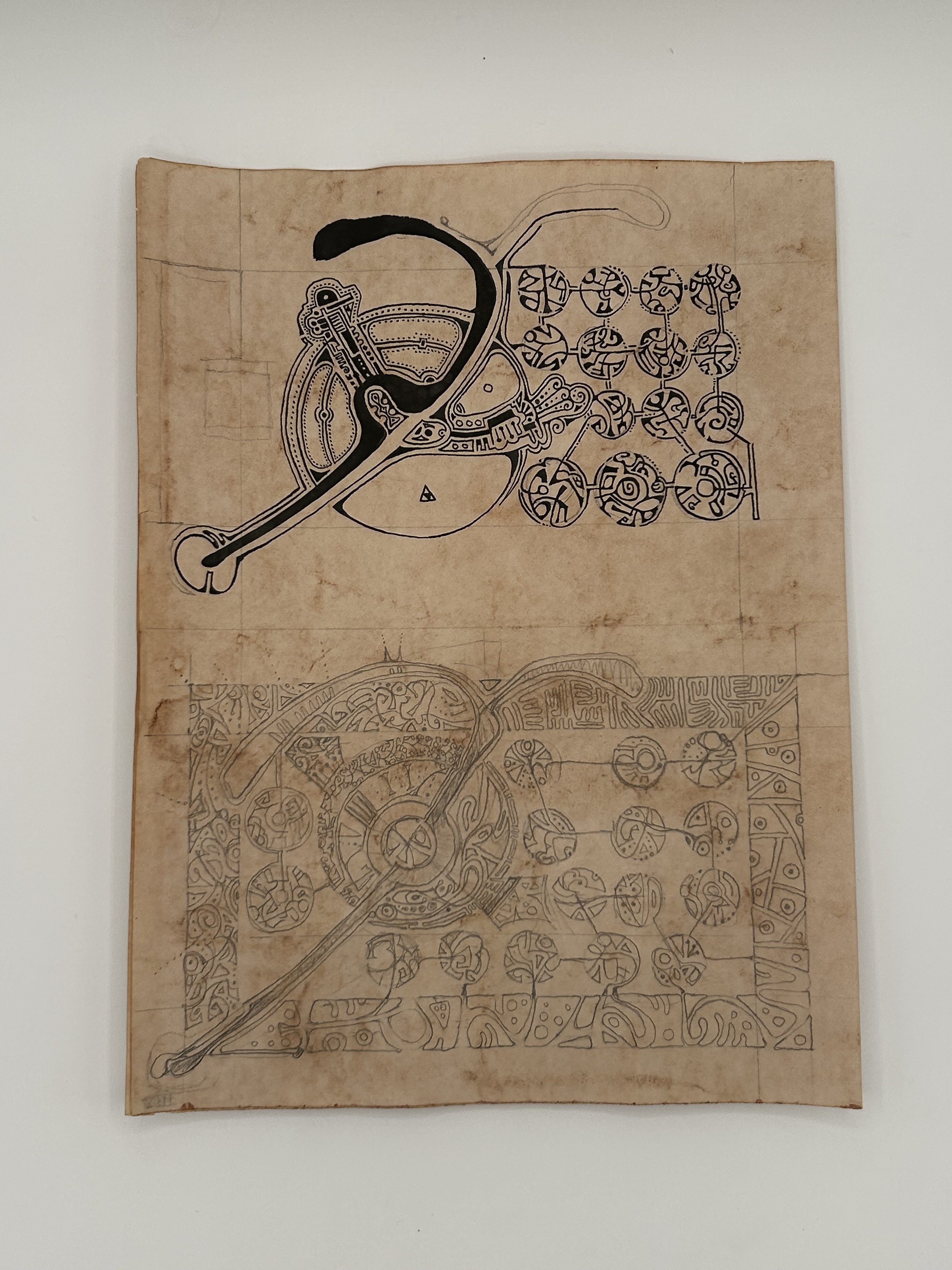
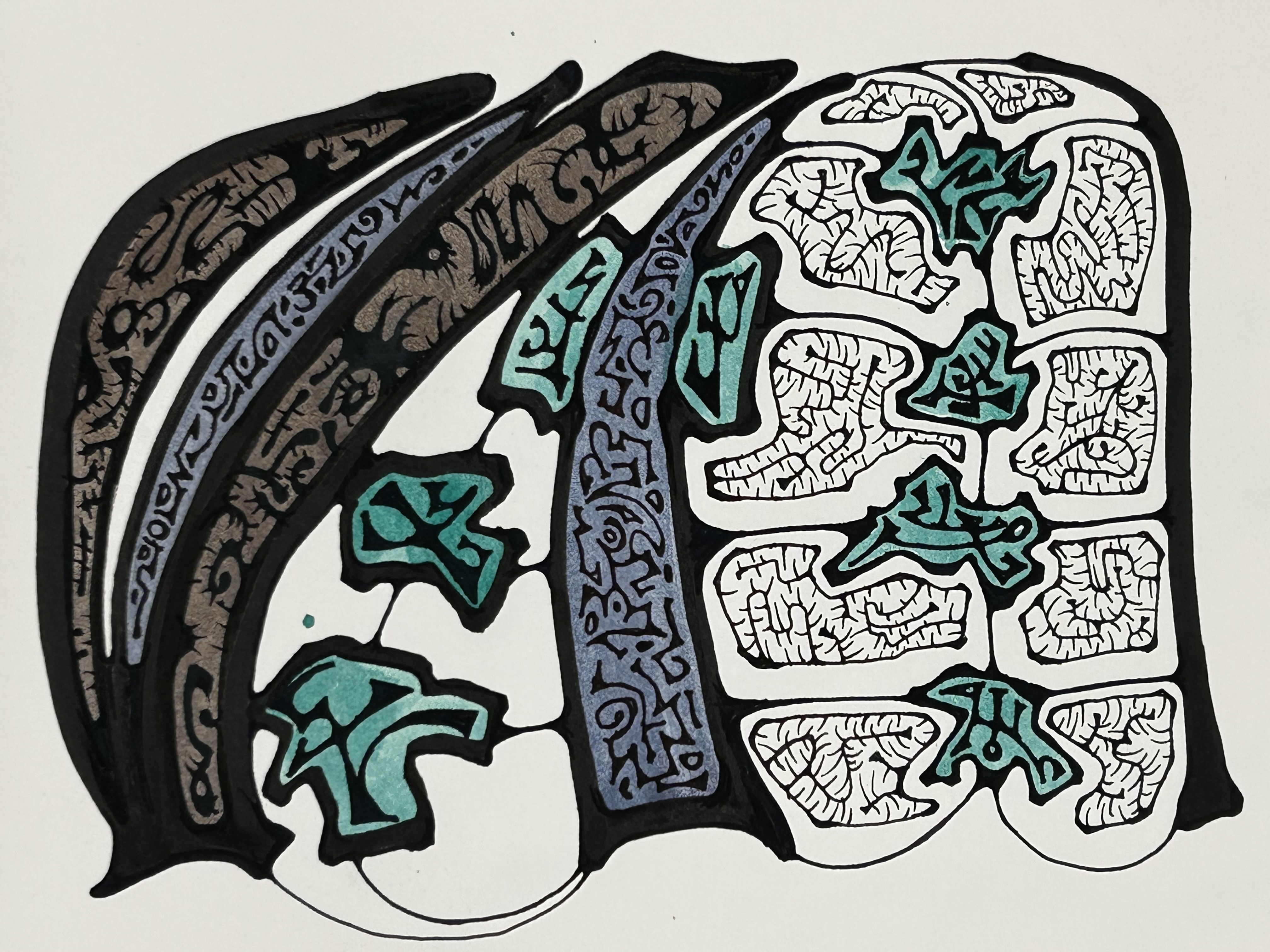
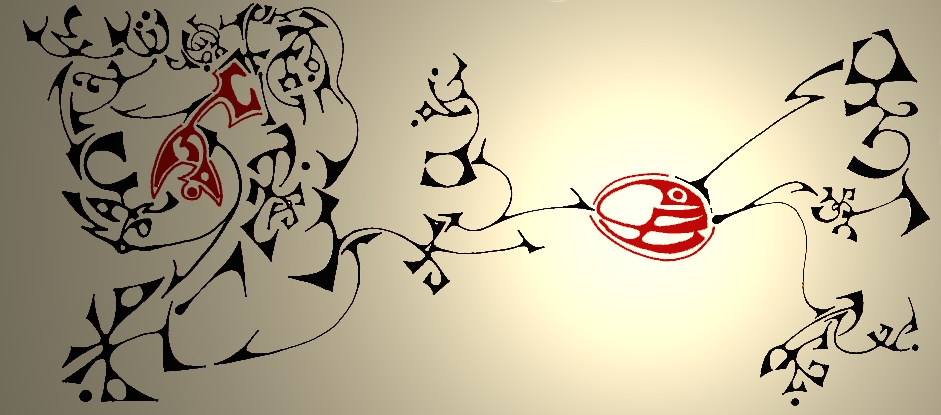
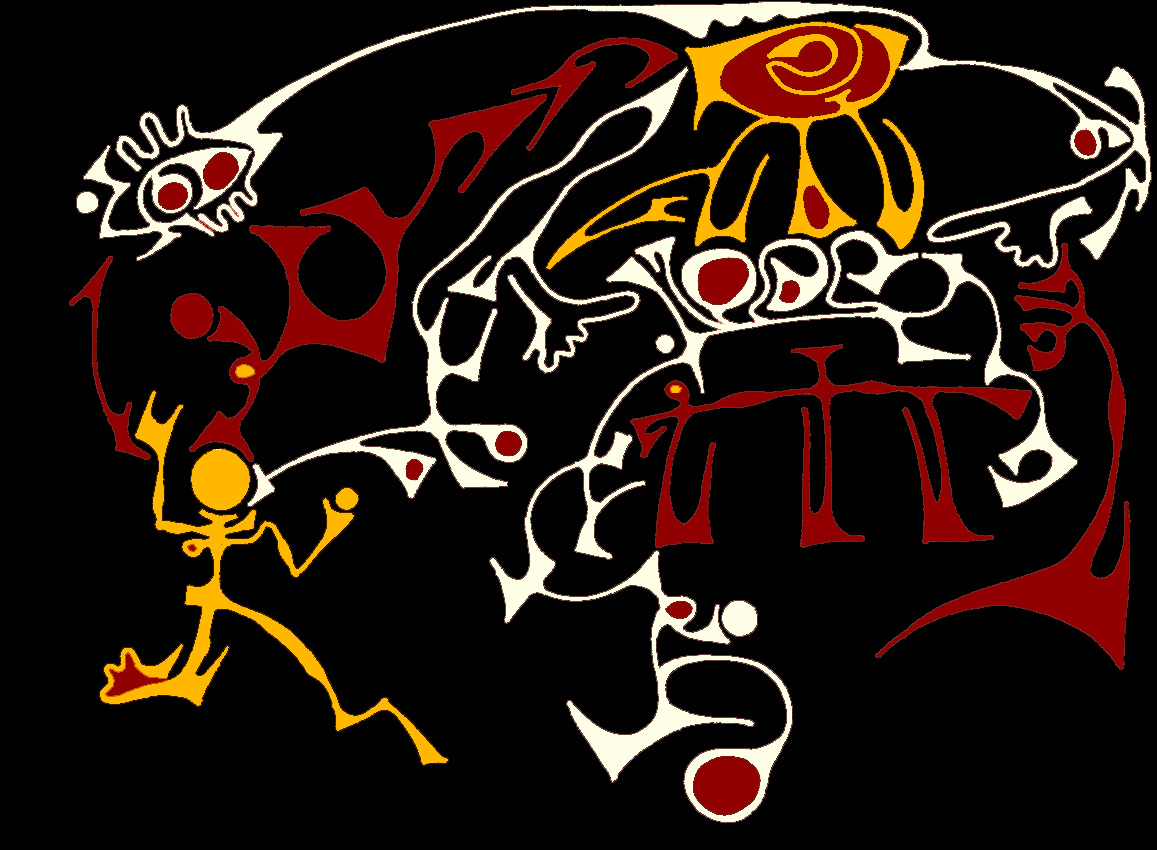
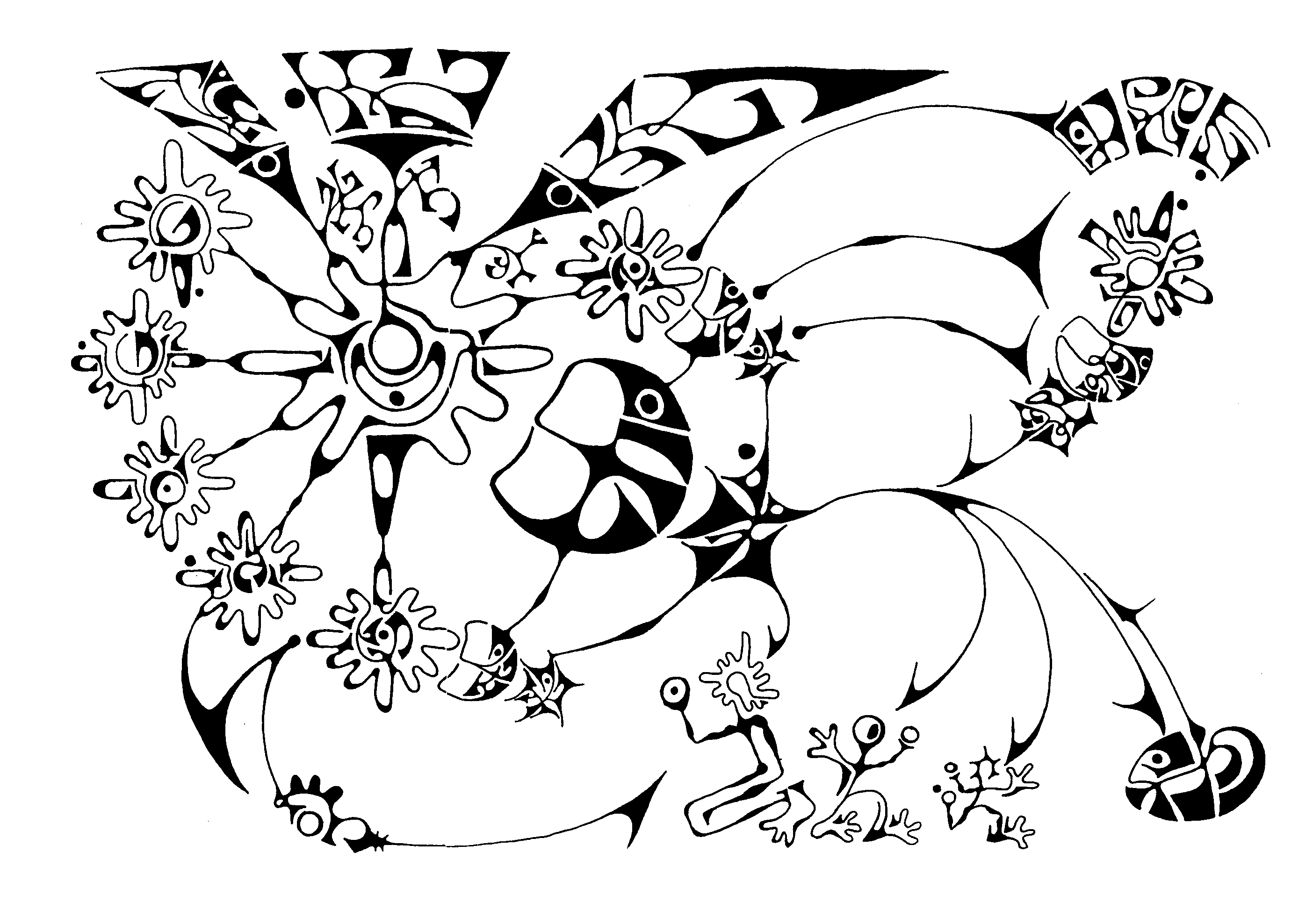
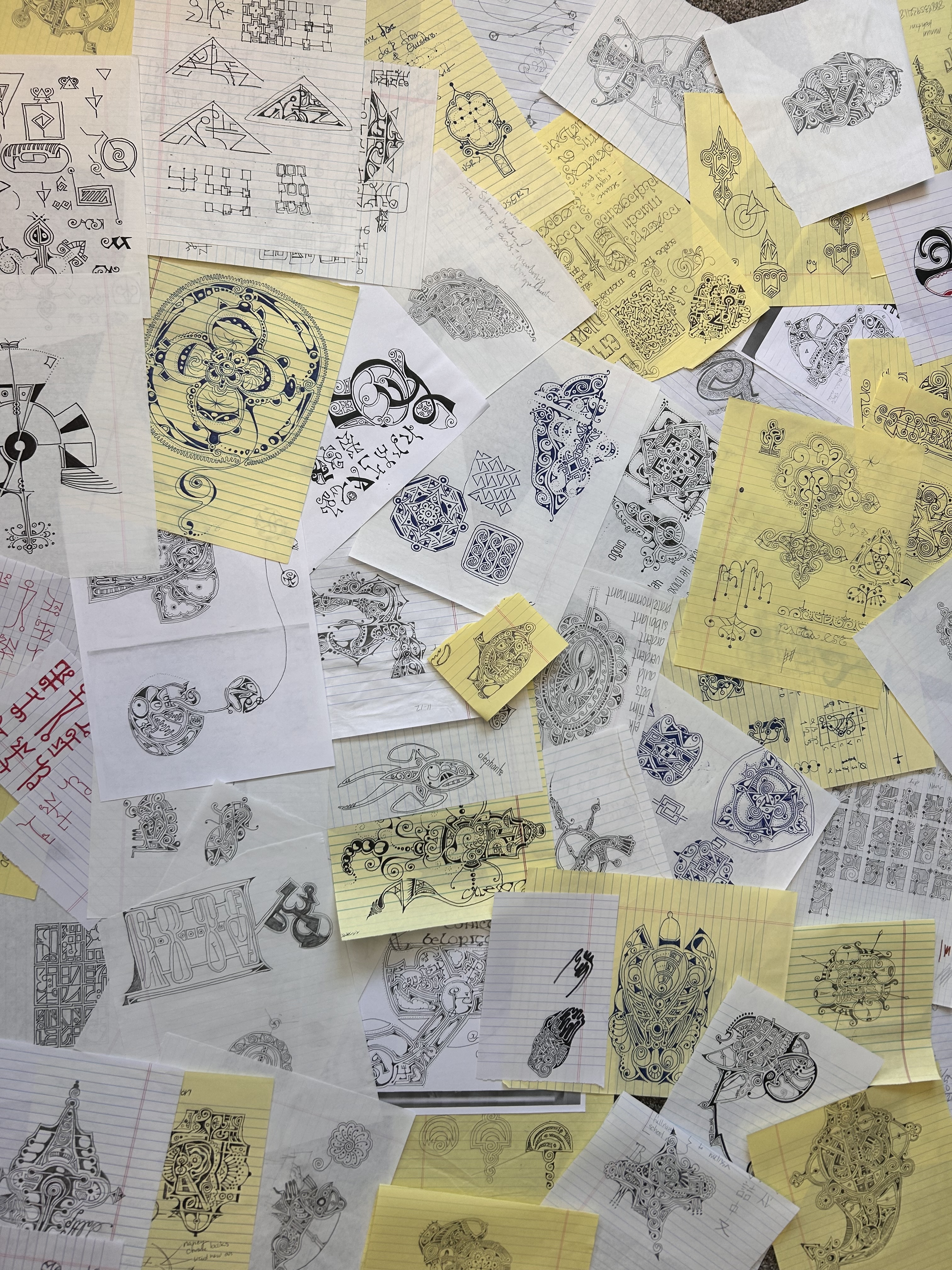
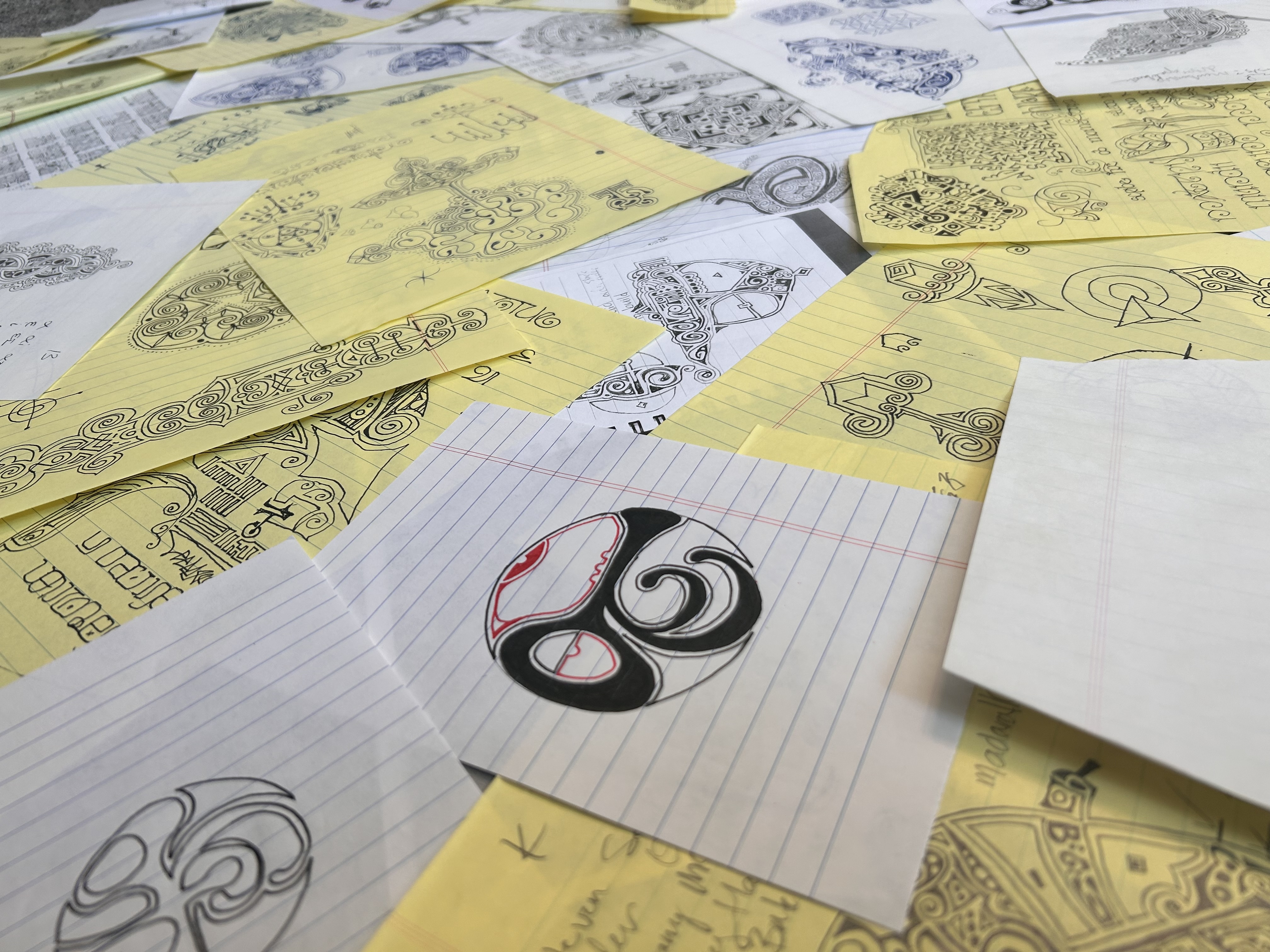
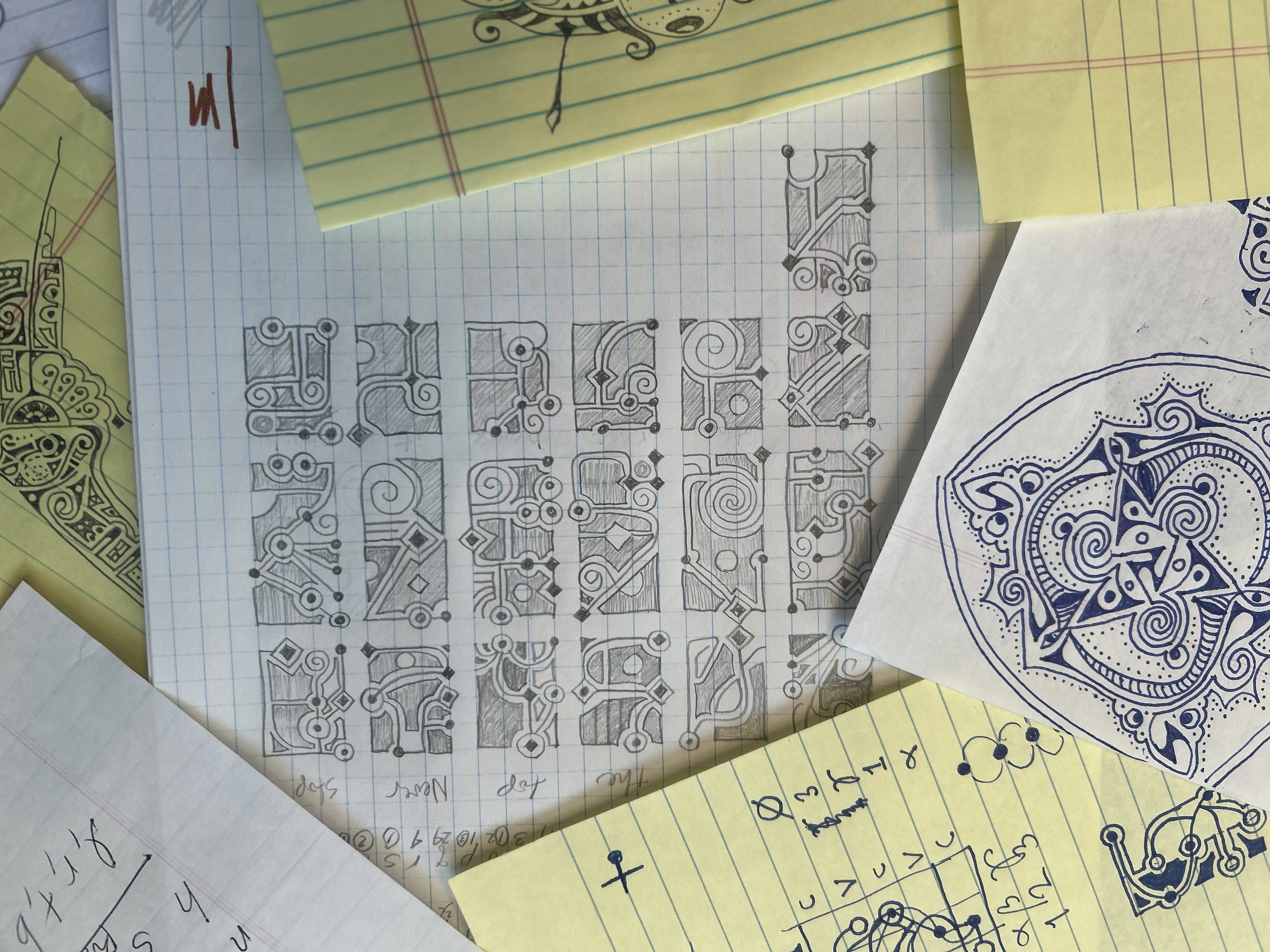
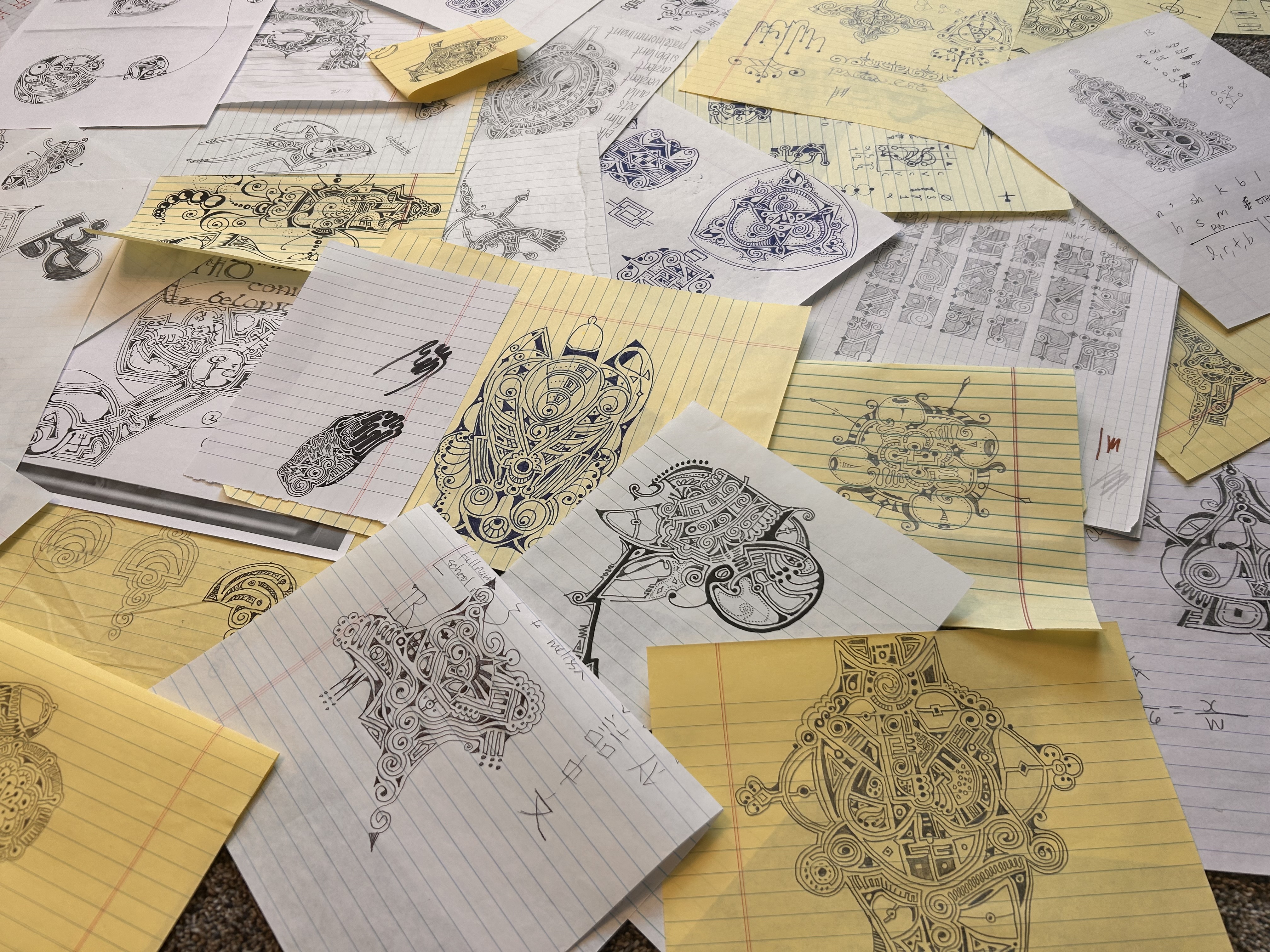
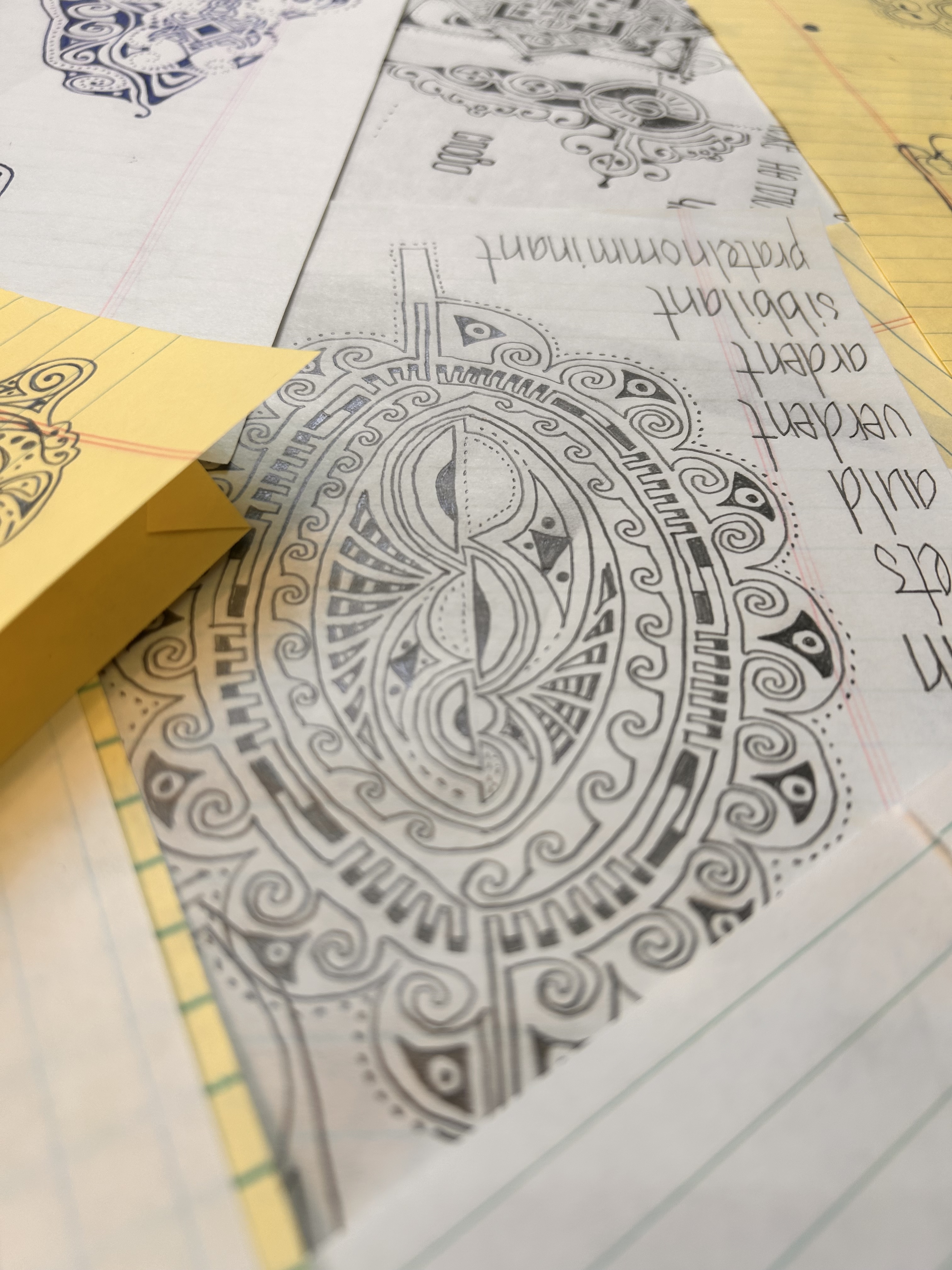
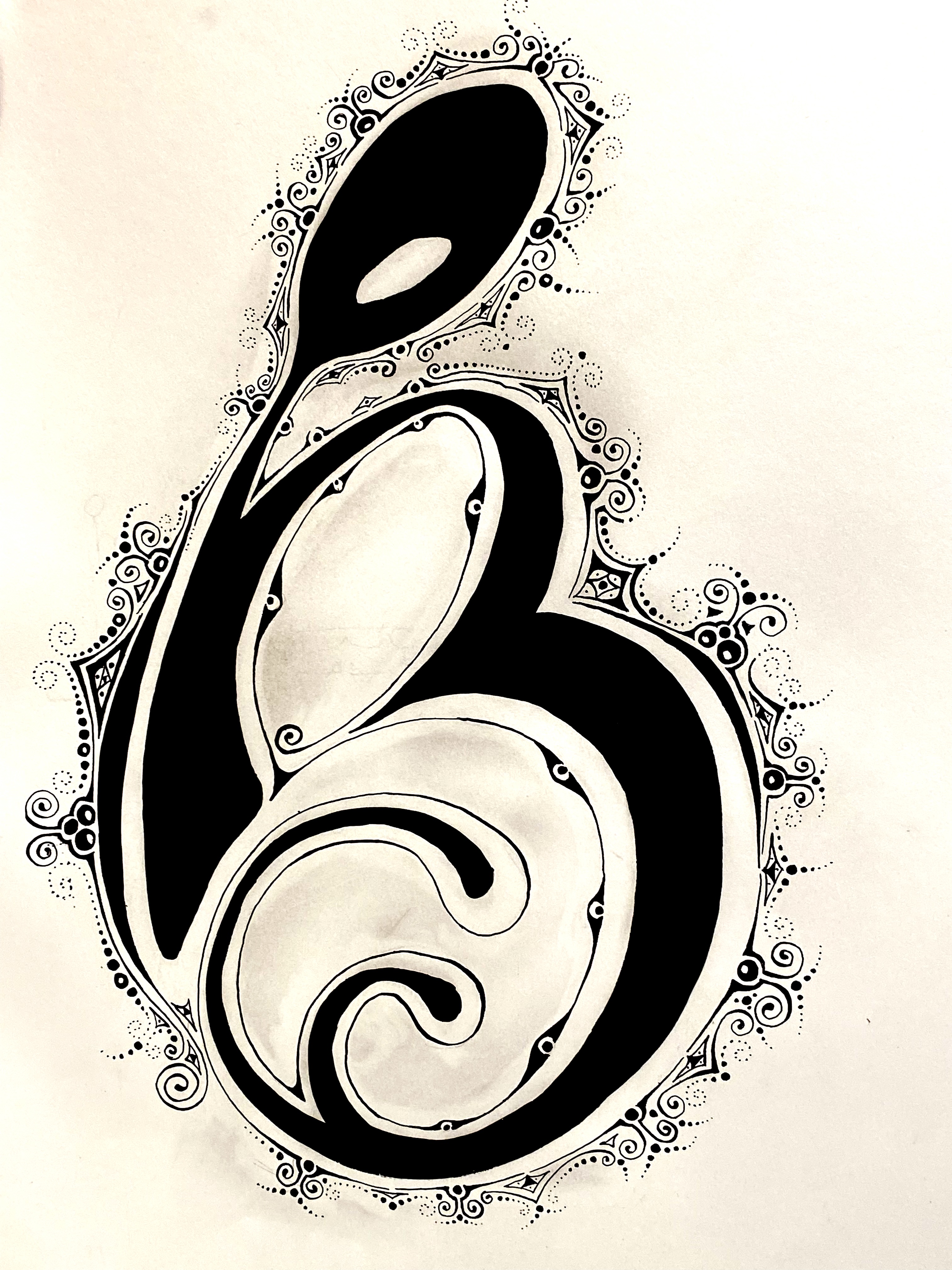
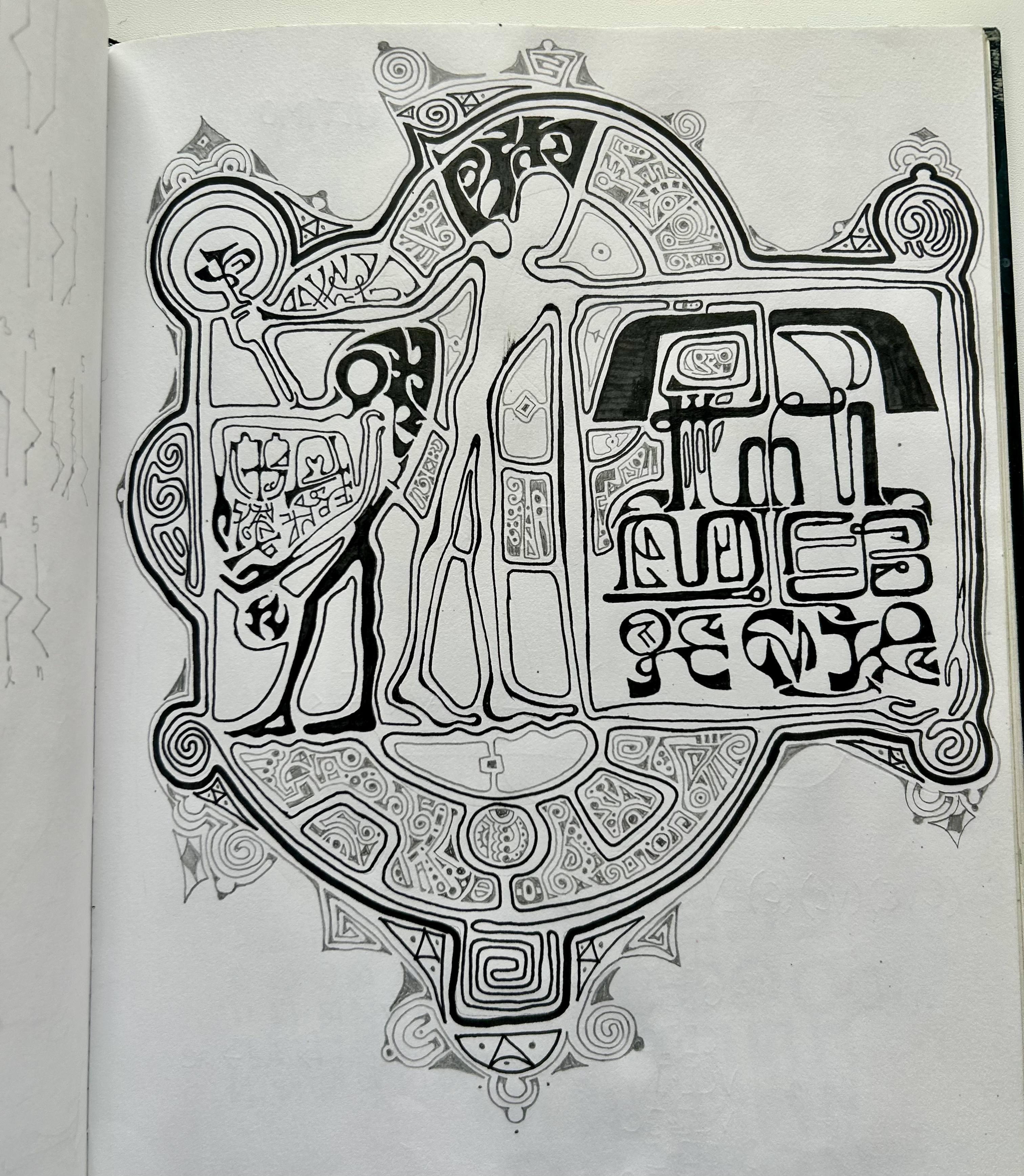
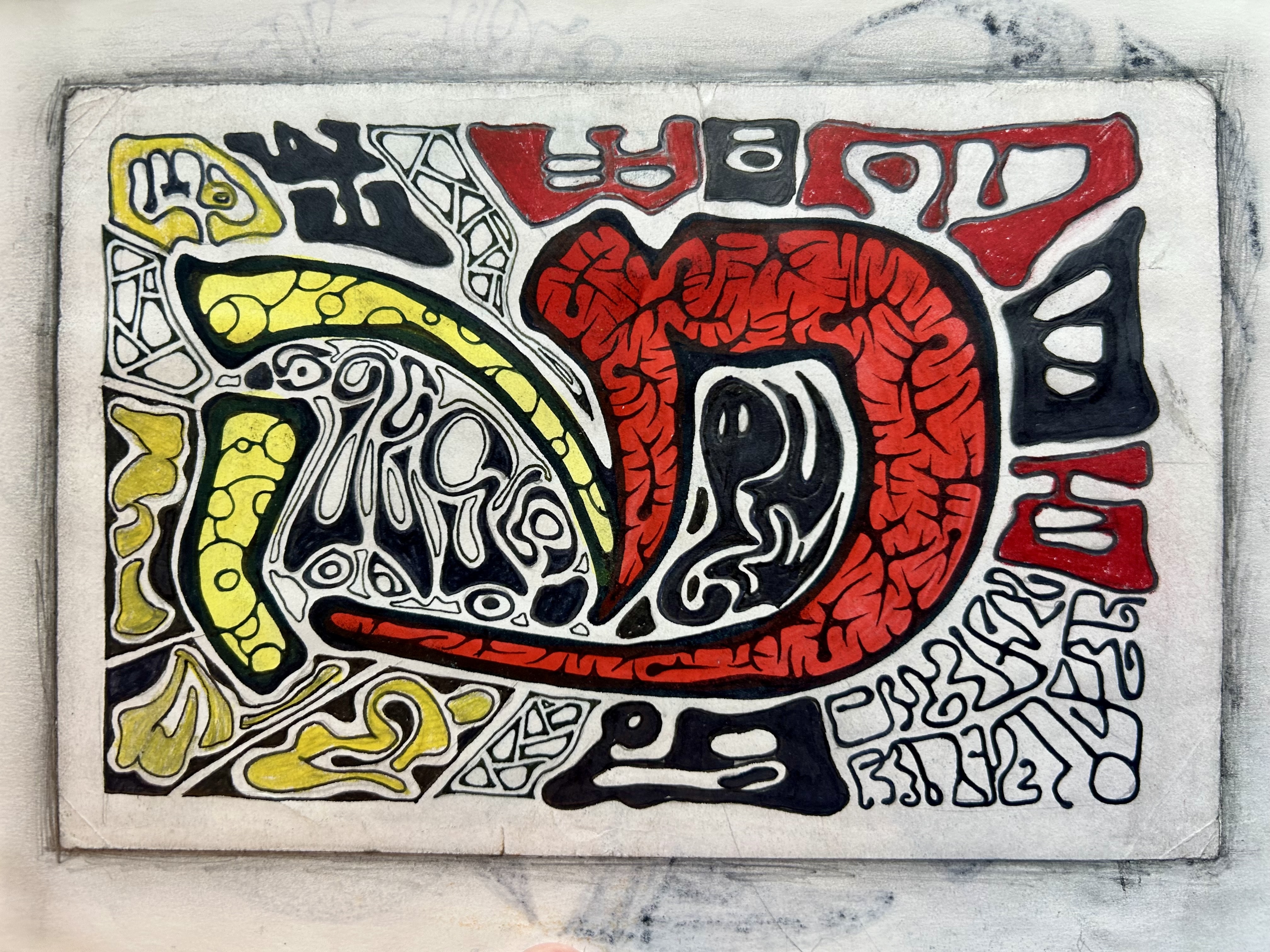
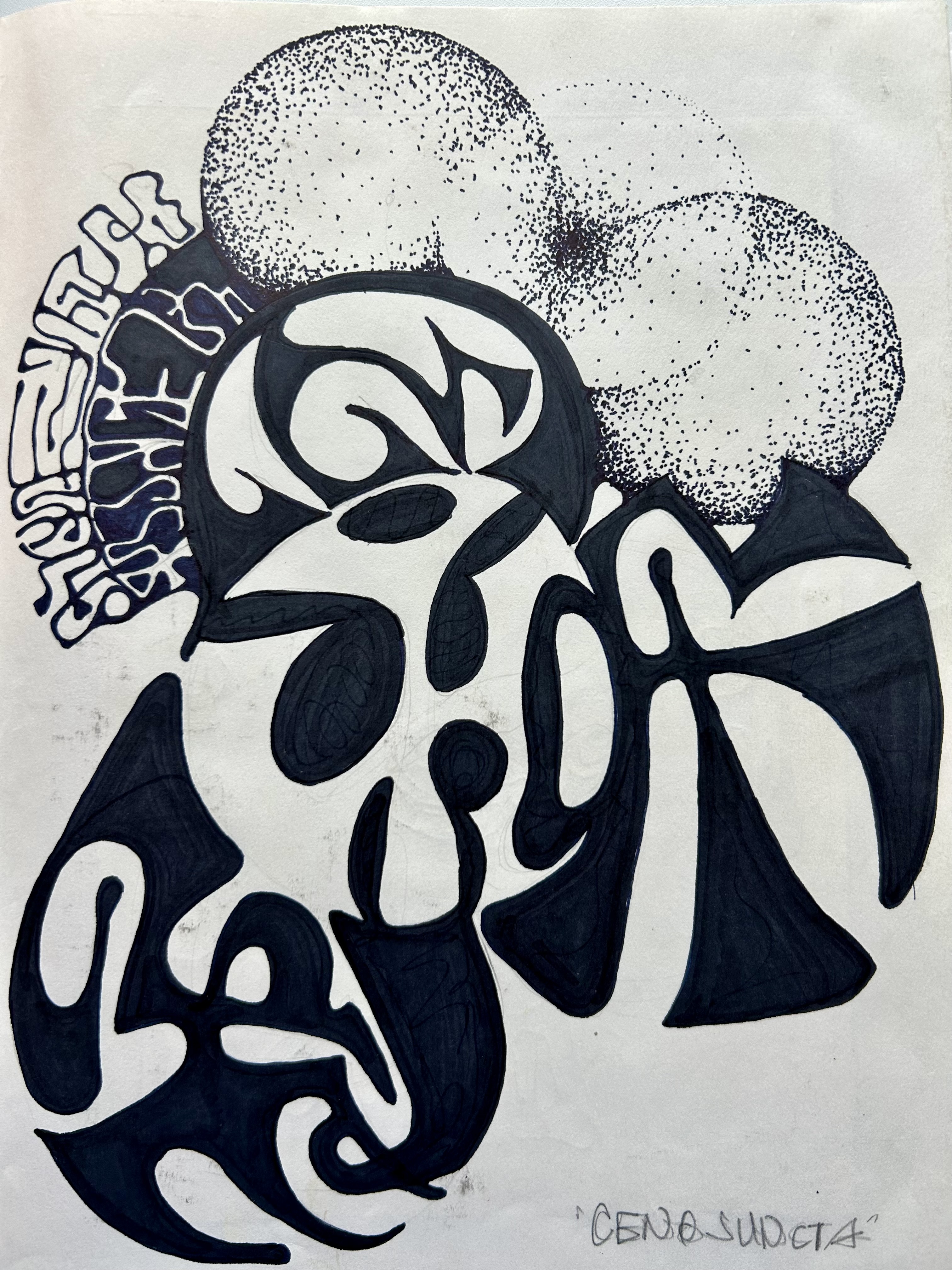
A sampling of Ksatlai calligraphies
Explore the Exhibit Back About This Exhibit About the Artist
Ksatlai (ksɑ-tlaɪ) is a
meditative form of conlang calligraphy developed by artist Trent Pehrson as an intersection of
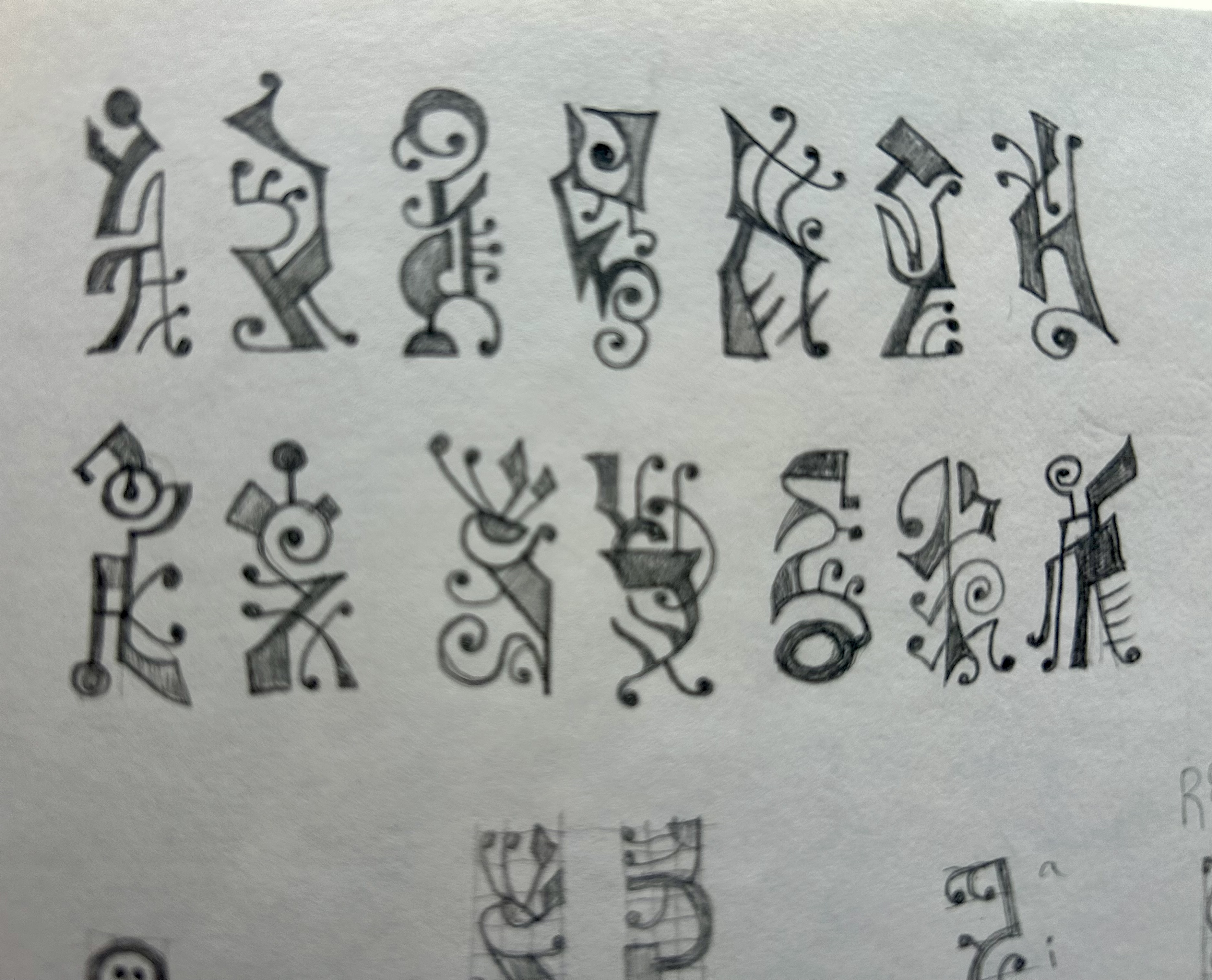
constructed culture, text, illustration, design, and meditative practice. It uses a dynamic writing
system (also called Ksatlai) that is intentionally fluid–allowing text to be text while also seamlessly
lending itself to the forms of design and illustration. The Ksatlai writing system is designed such
that it can encode either Trent Pehrson's constructed language, Idrani, or English. The structure and
forms of the script can literally behave as design elements, allowing the intersection and merging of
text and form.
Generally speaking, Ksatlai is an unplanned and exploratory process. Rather than beginning with a
predetermined layout or composed text, the artist begins with a workspace and only a theme or idea.
Utilizing the writing system and a set of underlying principles, the artist attempts to organically
construct a form representative of the theme or idea within the workspace. Ksatlai principles include
the fluid transition between line and shape, the use of both positive and negative space as constituents
of a form, threading some elements through most or all of the entire work, and visual balance without
literal symmetry. Not all elements must be textual, and not all text must be design, but some text and
design must be interwoven in a Ksatlai work.
While Pehrson shares most of his other constructed writing systems publicly, Ksatlai is not one of them.
Pehrson intentionally keeps the system private, preserving the personal, internal aspects of Ksatlai as
a form of personal meditation. This restriction is central to its function–preserving Ksatlai as a means
of personal exploration.
Pehrson will gladly produce Ksatlai works on commission, but with a constraint. Because the underlying
system is private, collectors may only specify the physical dimensions of the workspace. All other
aspects–including theme, imagery, layout, and interpretive framing–are determined through the meditative
process itself, not by prior design. Each finished work is therefore both a visual artifact and a record
of an unstructured encounter between language, intention, and form. If you'd like to commission a
Ksatlai calligraphy, click the "Commission an Artwork" button below.