Pigment Making Exhibit

Trent Pehrson

Mineral pigment from scratch

01

Sample

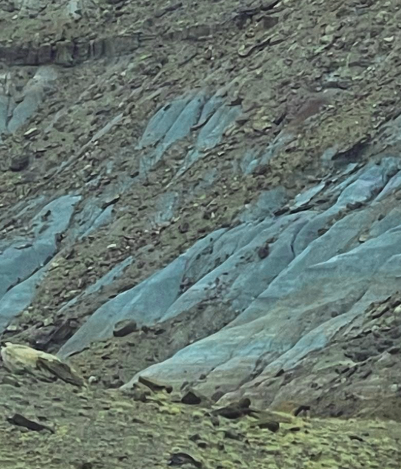
Struck by the vivid colors, I took two palm sized samples from these strata while on vacation in Moab Utah. One was a deep red-- probably sandstone containing hematite (from petrified dunes), and one was a pale blue-- probably shale with reduced manganese. I decided to try to turn them into mineral pigments.
02

Pulverize

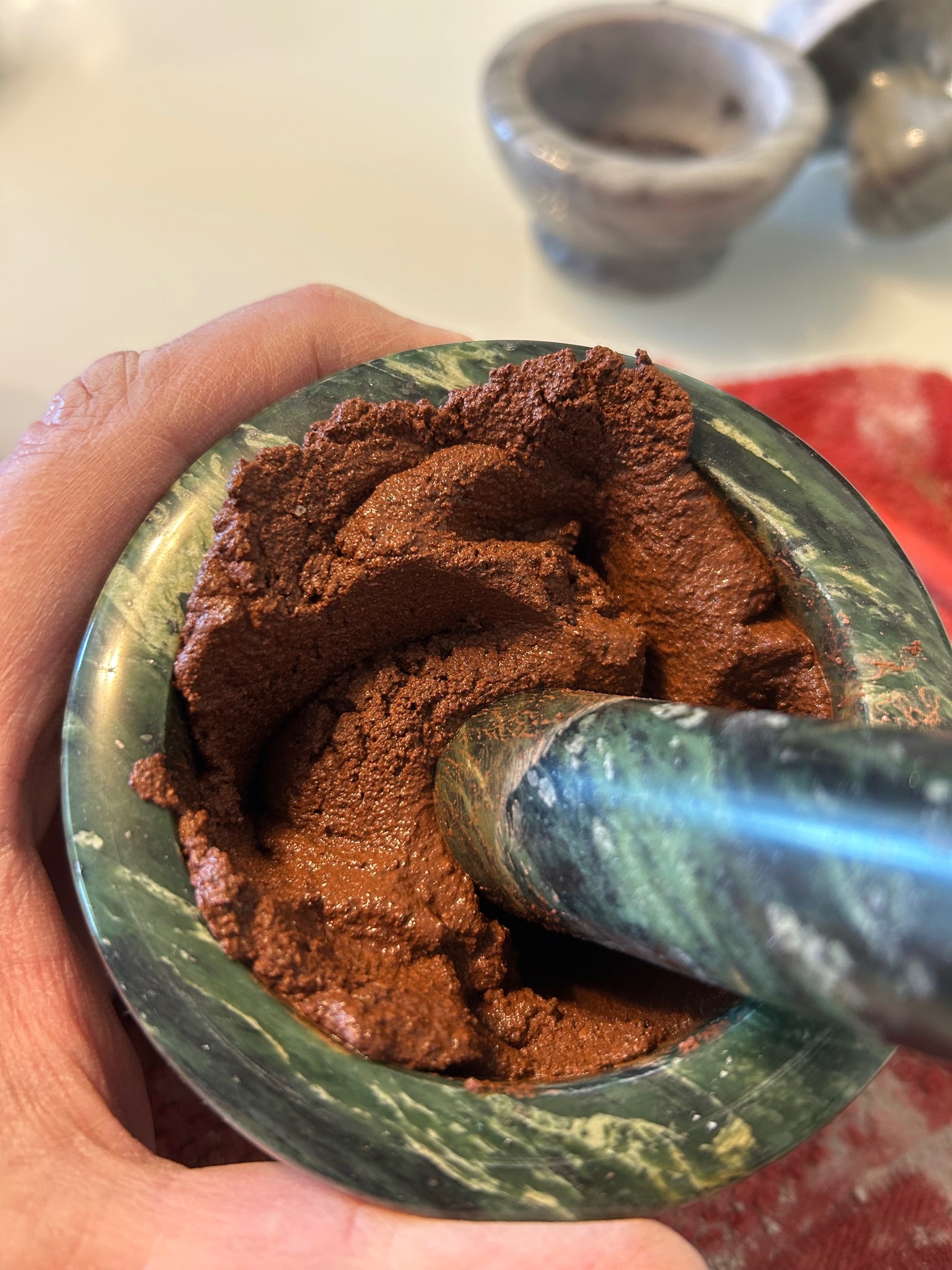
After reducing the stone to a fine grit with a sledge hammer, I wet ground it further in a mortar and pestle.

03

Levigate

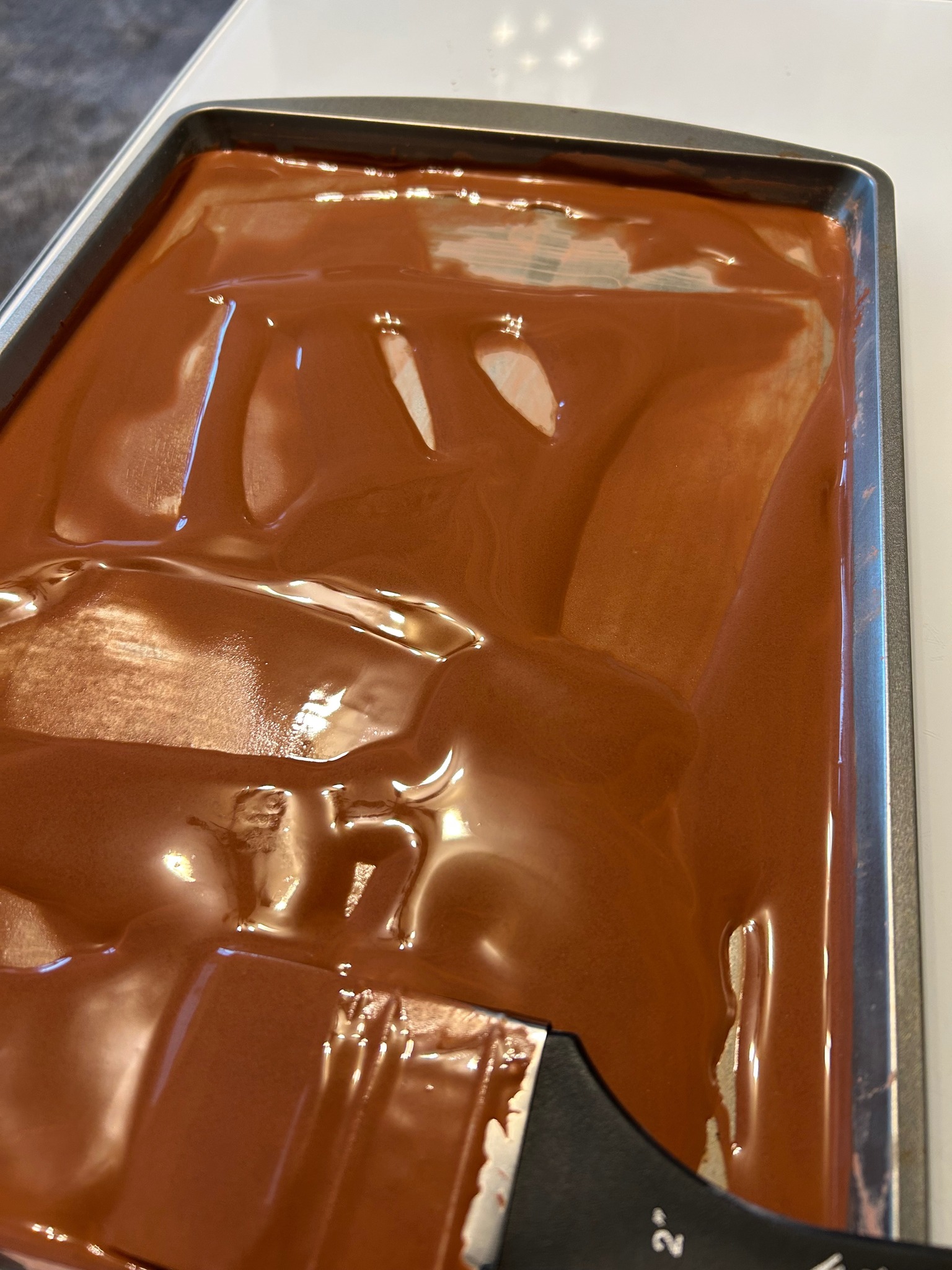
After wet grinding, I mixed the paste with about a quart of water, allowed heavier sediment to settle, and poured off finer sediment into a shallow sheet pan to evaporate. It took several iterations of grinding and levigation to get the mineral powder fine enough.

04

Dry and Store

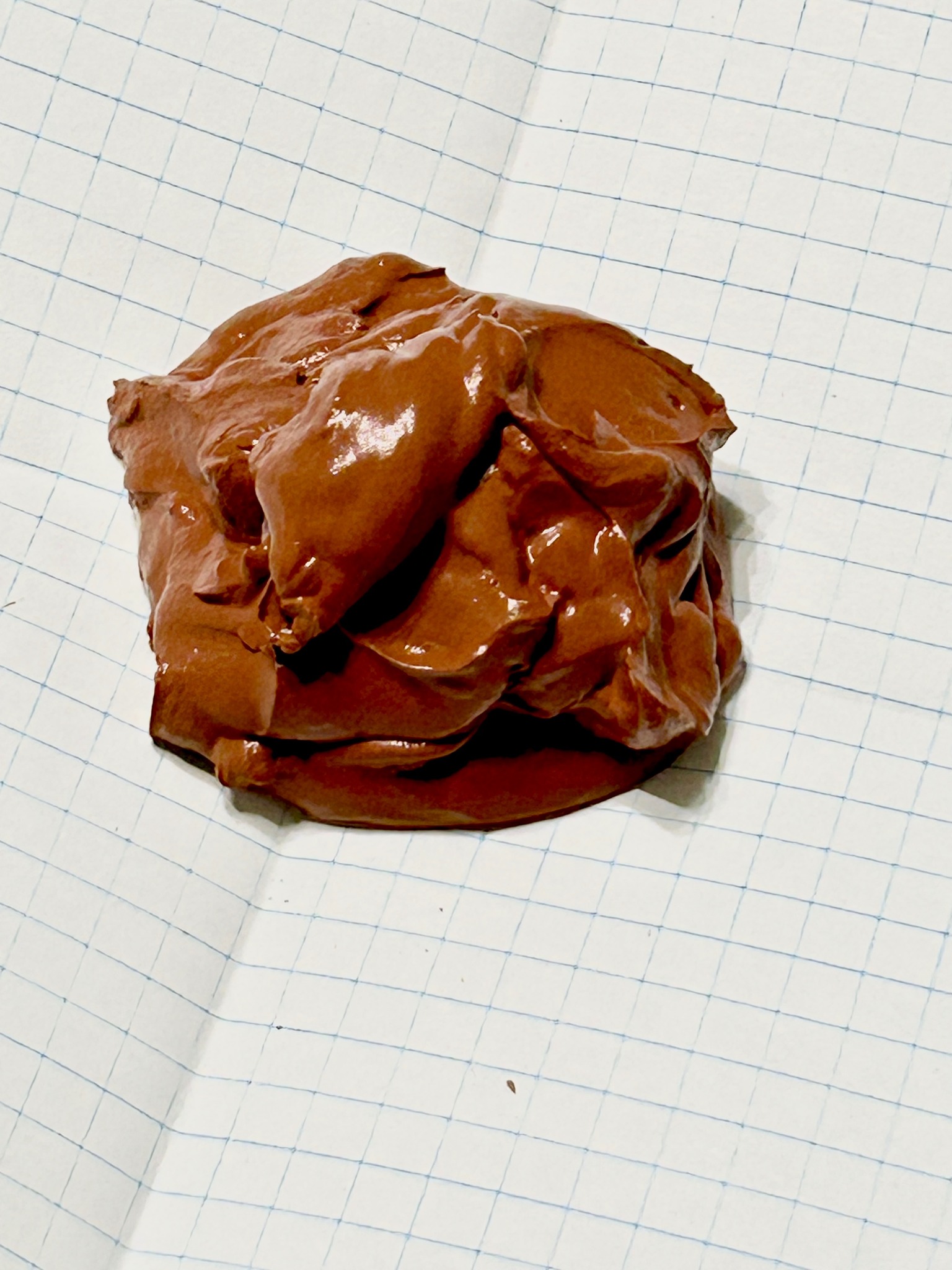
Once I felt the mineral powder was fine enough, I let it evaporate into a thick paste which I scraped onto paper sheets to fully dry and store for later use.

05

Blue-Grey Pigment

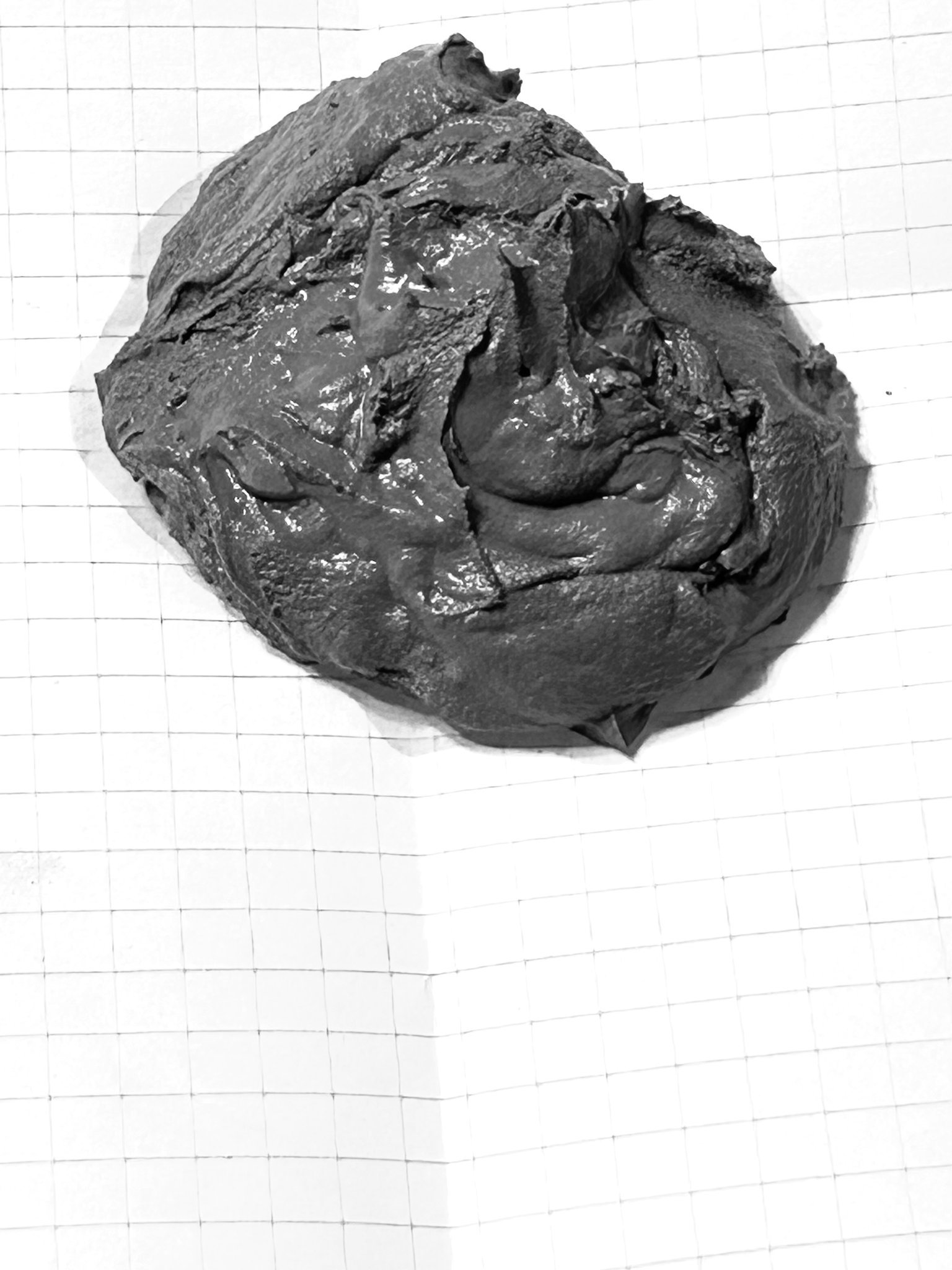
I also crushed, ground, and levigated the blue-grey mineral using the same process as the red mineral and dried it too.

06

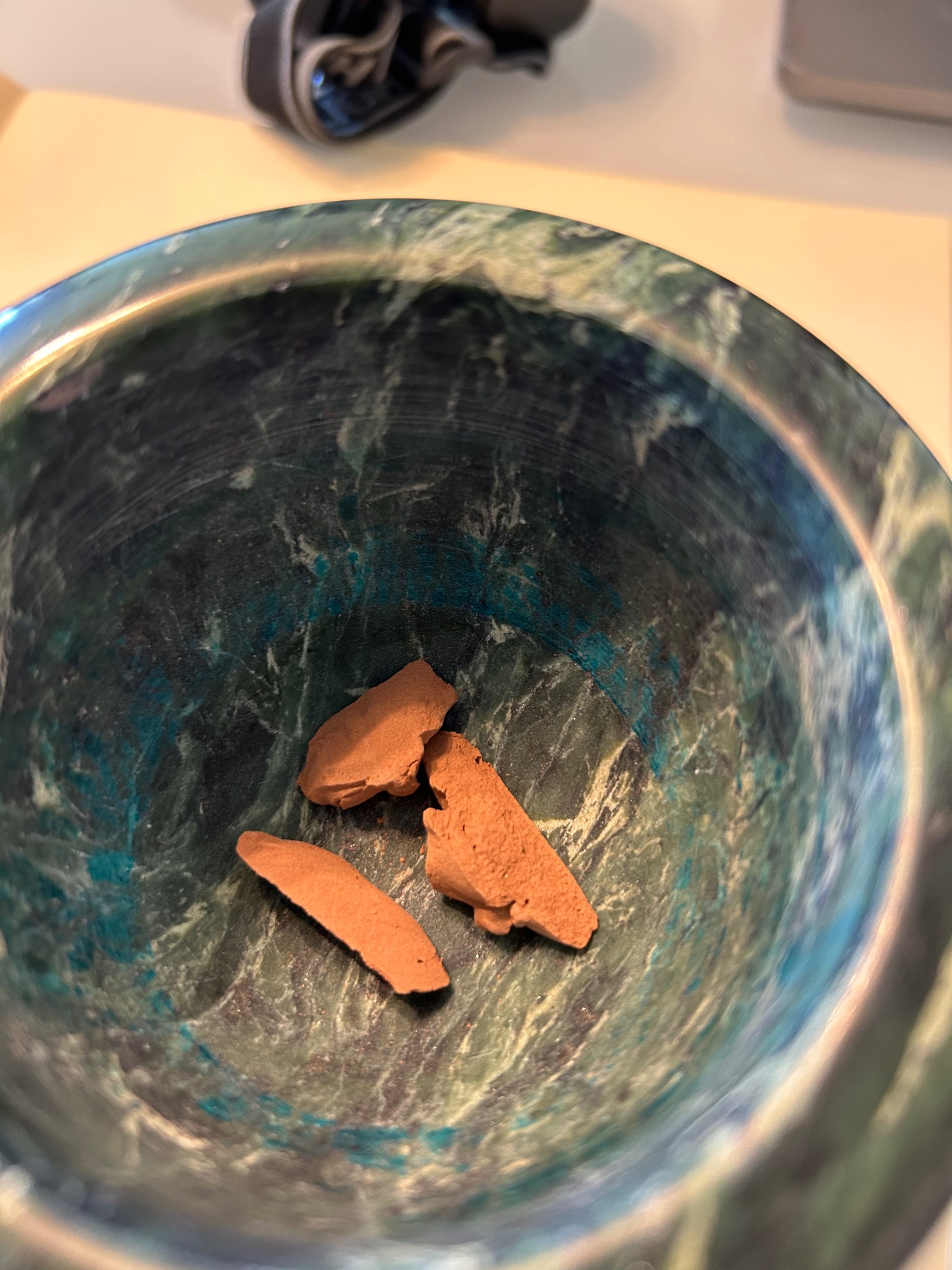
Prepare Samples

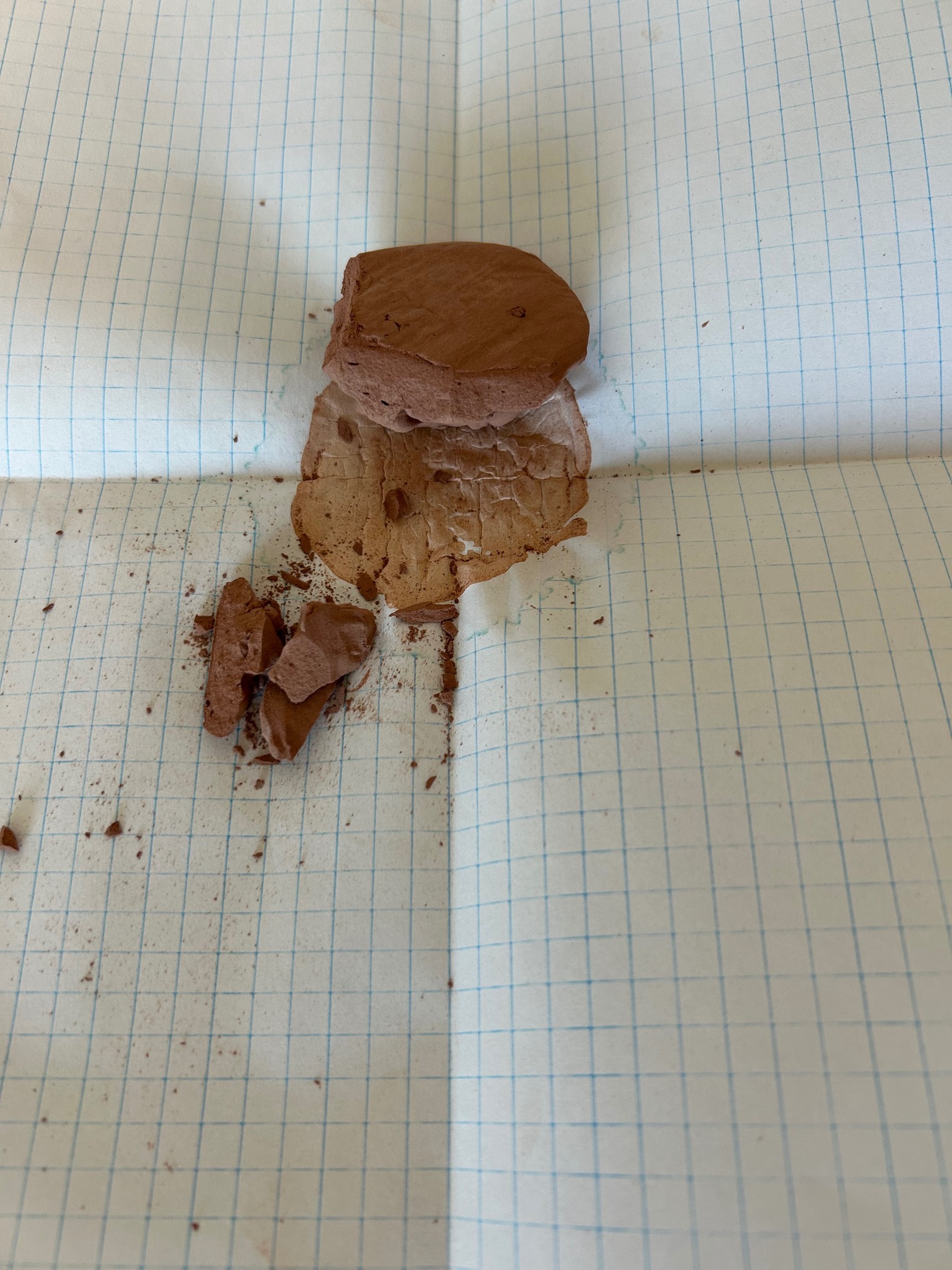
I broke up the dried mineral paste to get small pieces for testing. Without a binder, the dry material fractured apart easily.

07

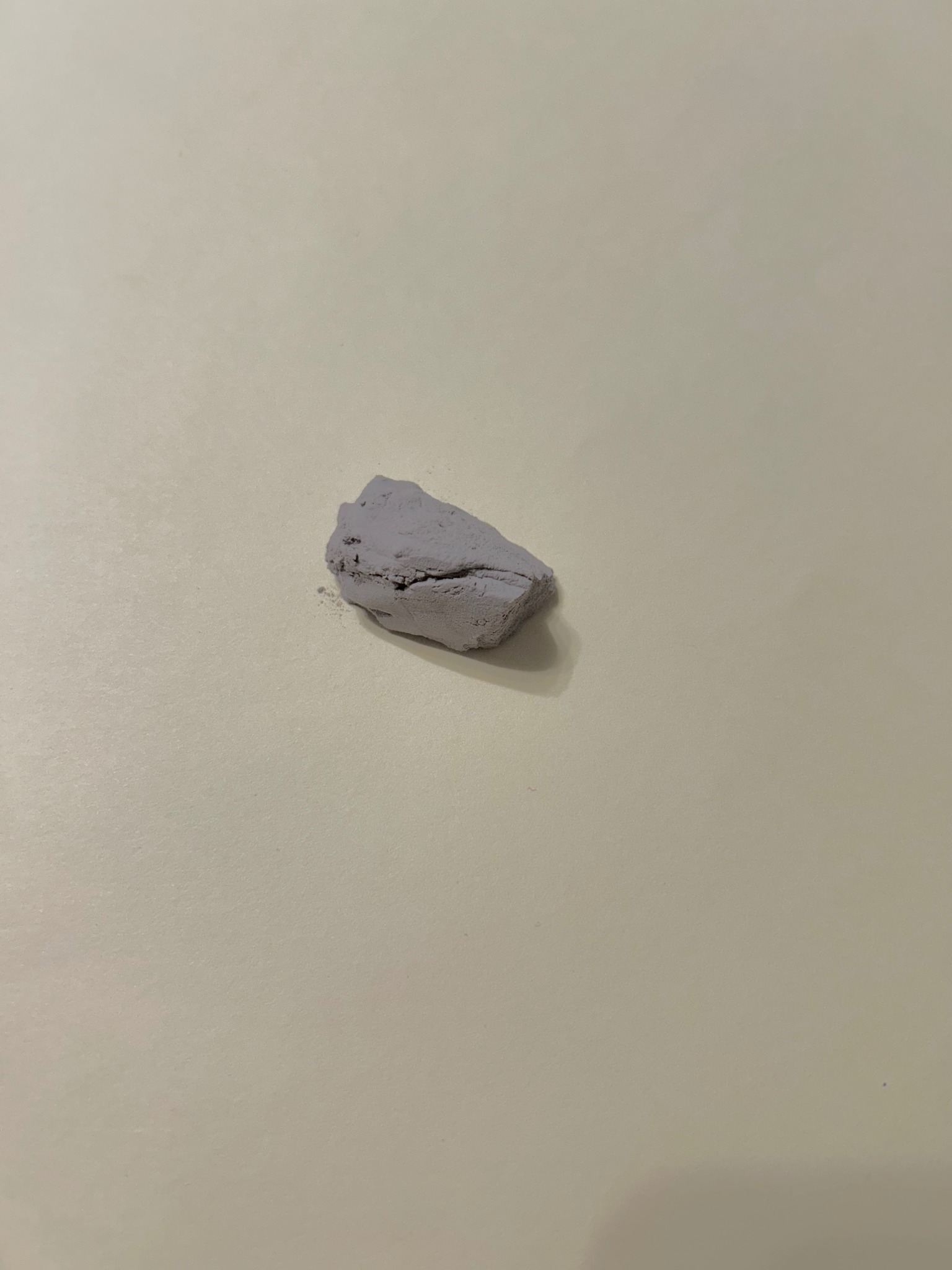
Blue-Grey Sample

I also broke off a piece of the blue-grey pigment for testing and refinement.

08

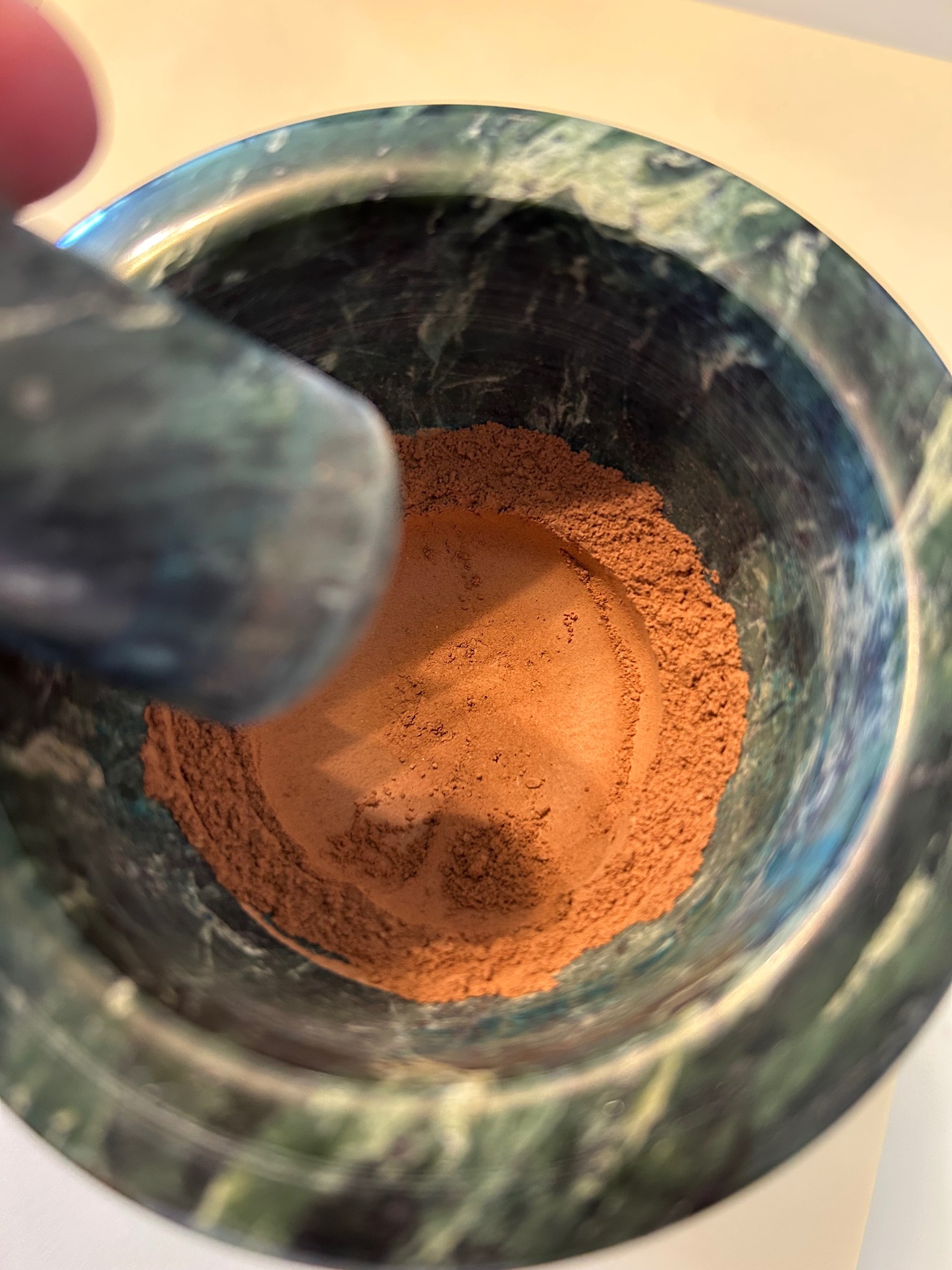
Regrind

I returned the dry pigment to the mortar to be ground into a uniform powder suitable for mixing with a binder.

09

Refinement

I ground the powders into a uniform consistency.

10

Add Binder

I decided to try ModPodge as a binder. In a paper cup, I diluted it with water and gradually introduced it into the pigment while mixing until it reached an ink-like consistency.

11

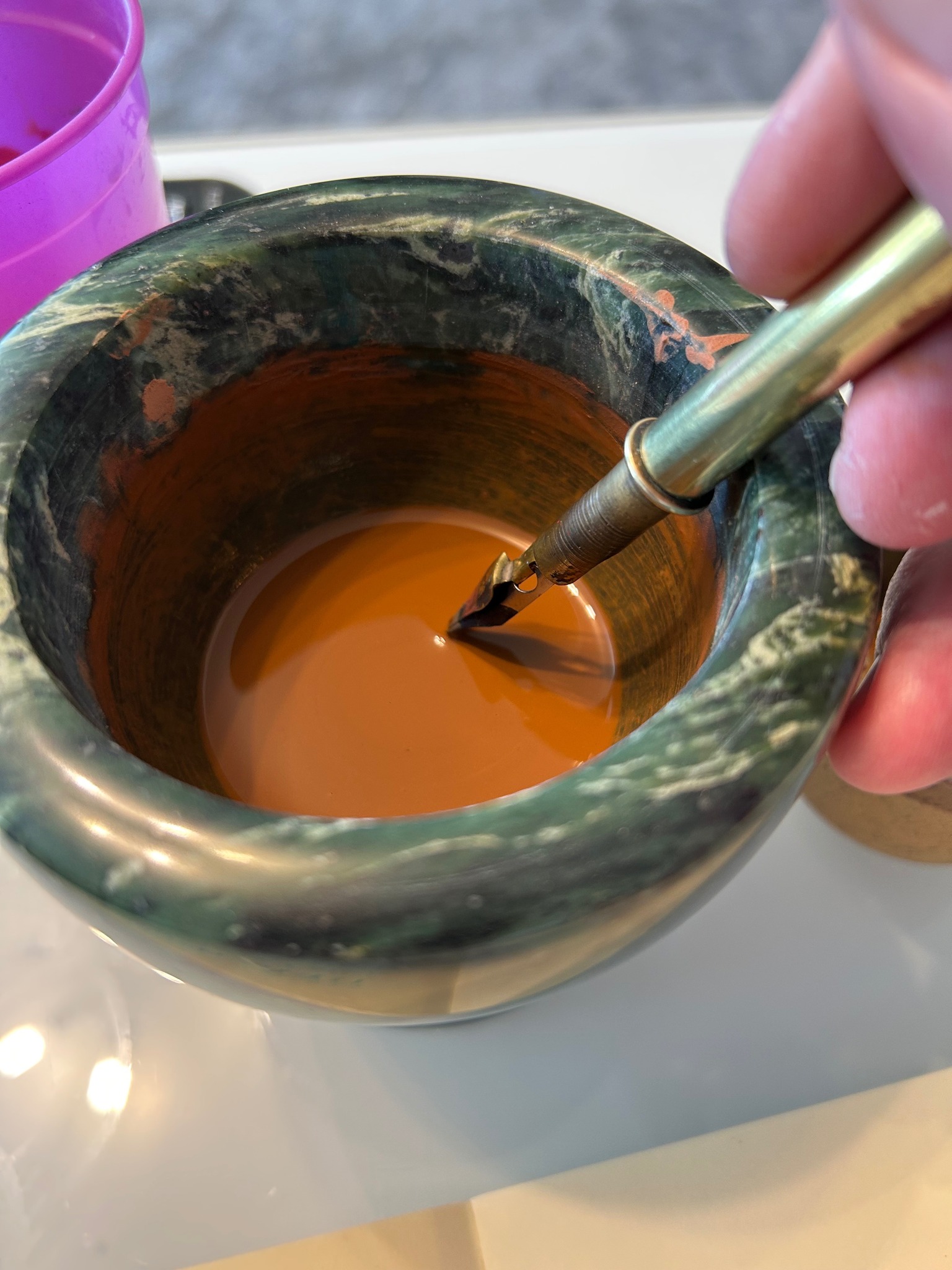
Ink Testing

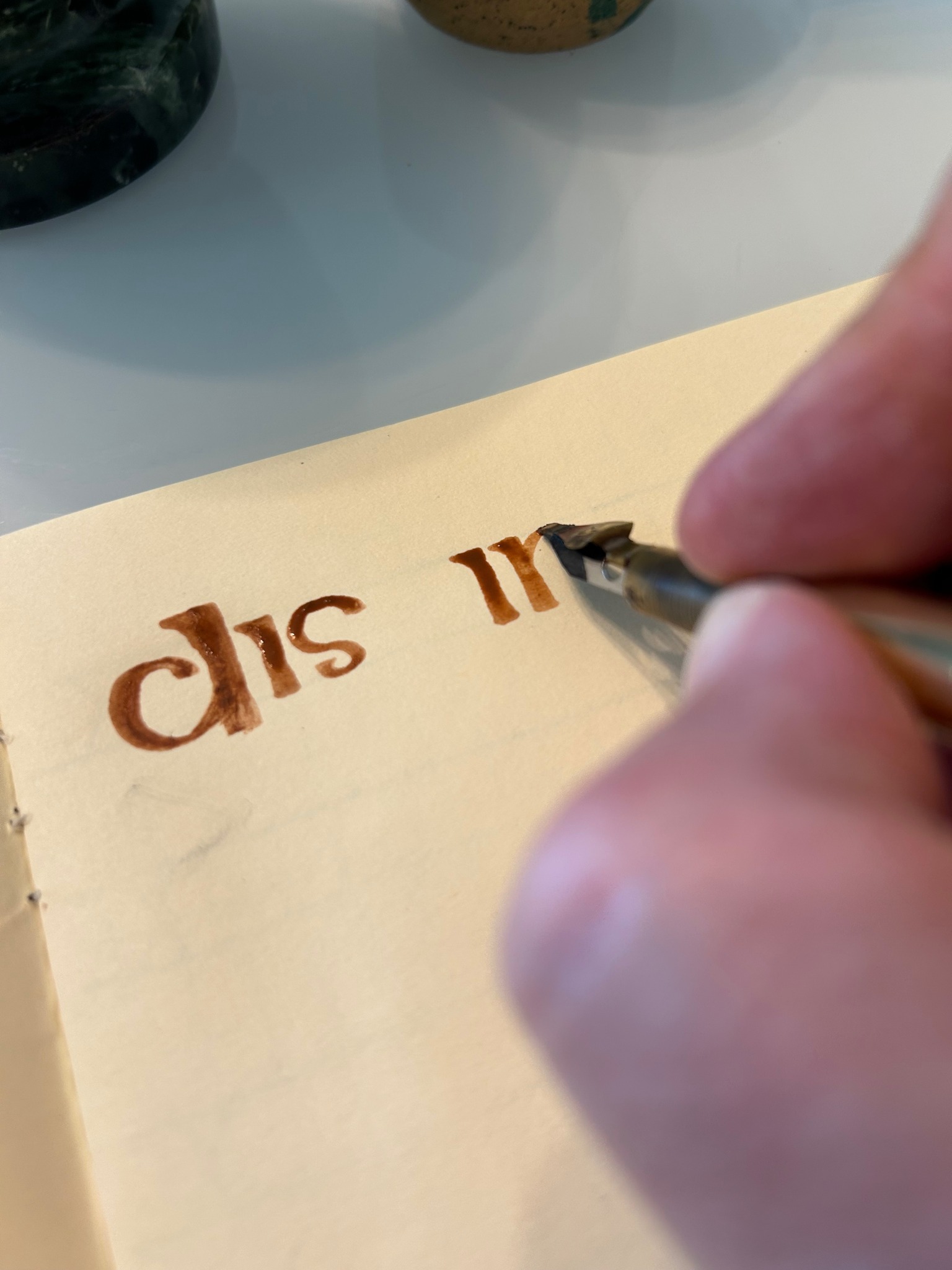
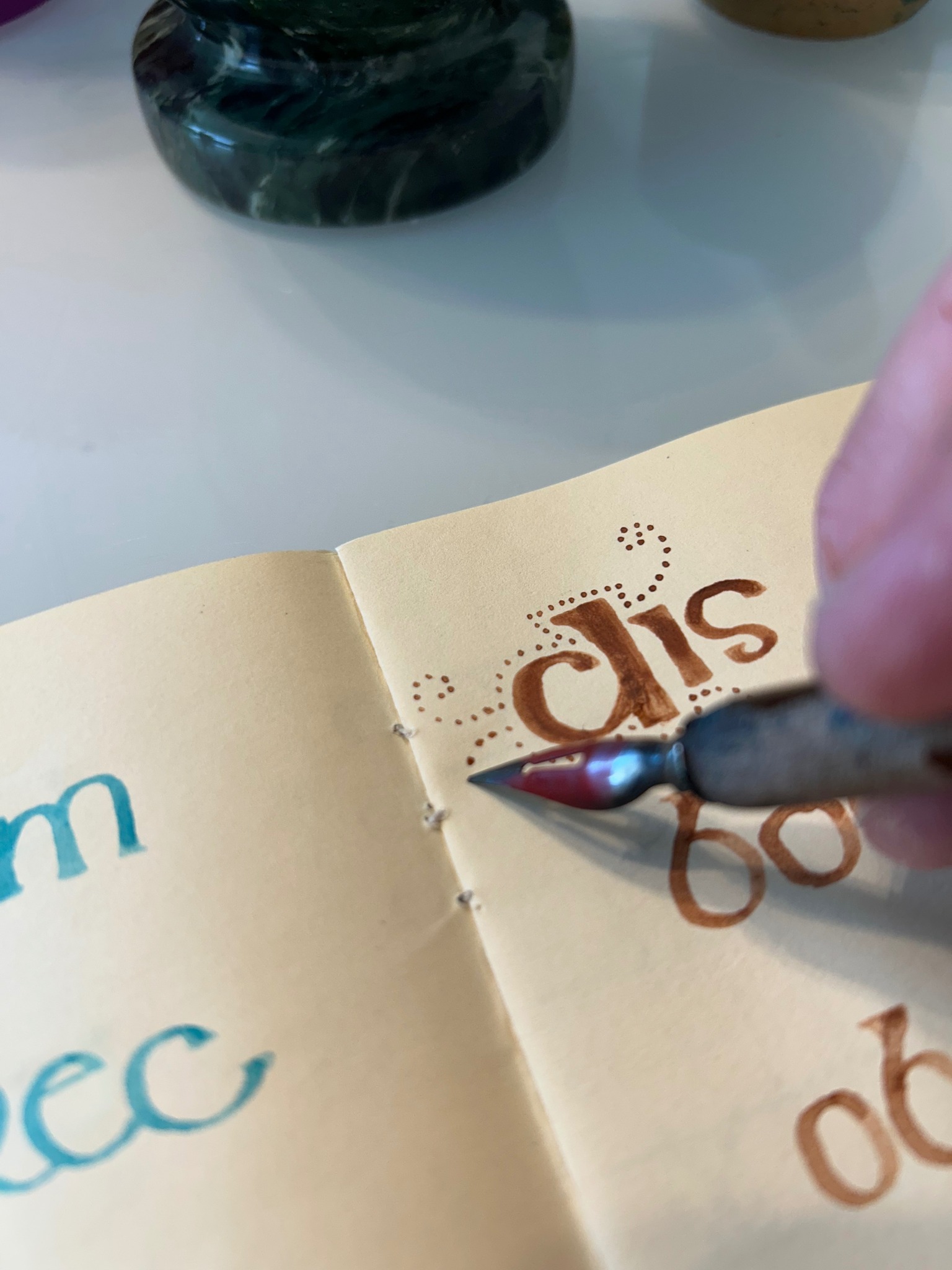
I tested the mixture with a steel nib calligraphy pen and diluted it slightly further until it flowed reliably.

12

Detail Testing

Once the viscosity was right, the ink was capable of producing both broad strokes and thin detailed lines.

13

Blue-Grey Results

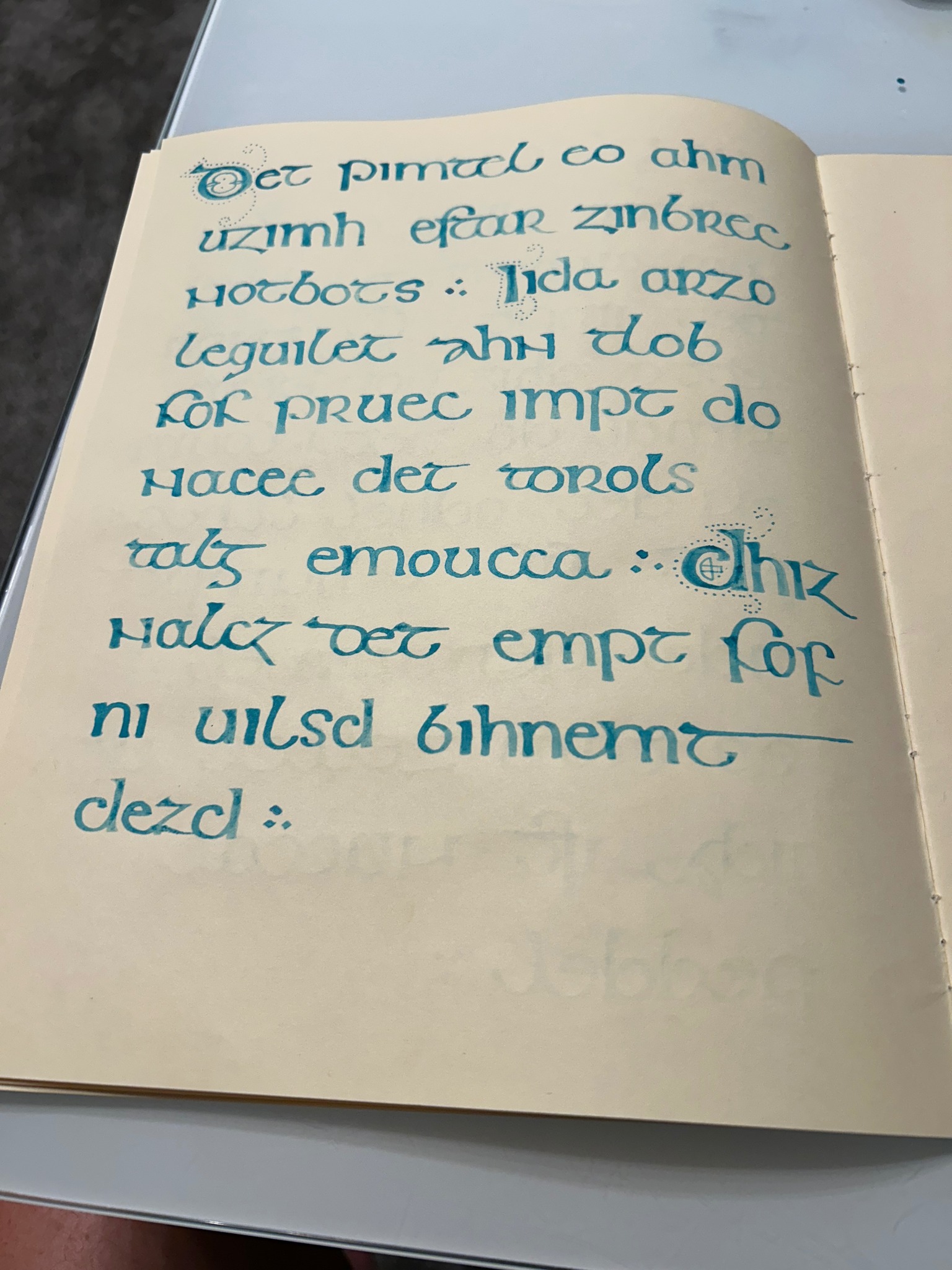
I also mixed and tested the blue-grey mineral pigment. I was quite satisfied with the result.

14

Red Pigment Results

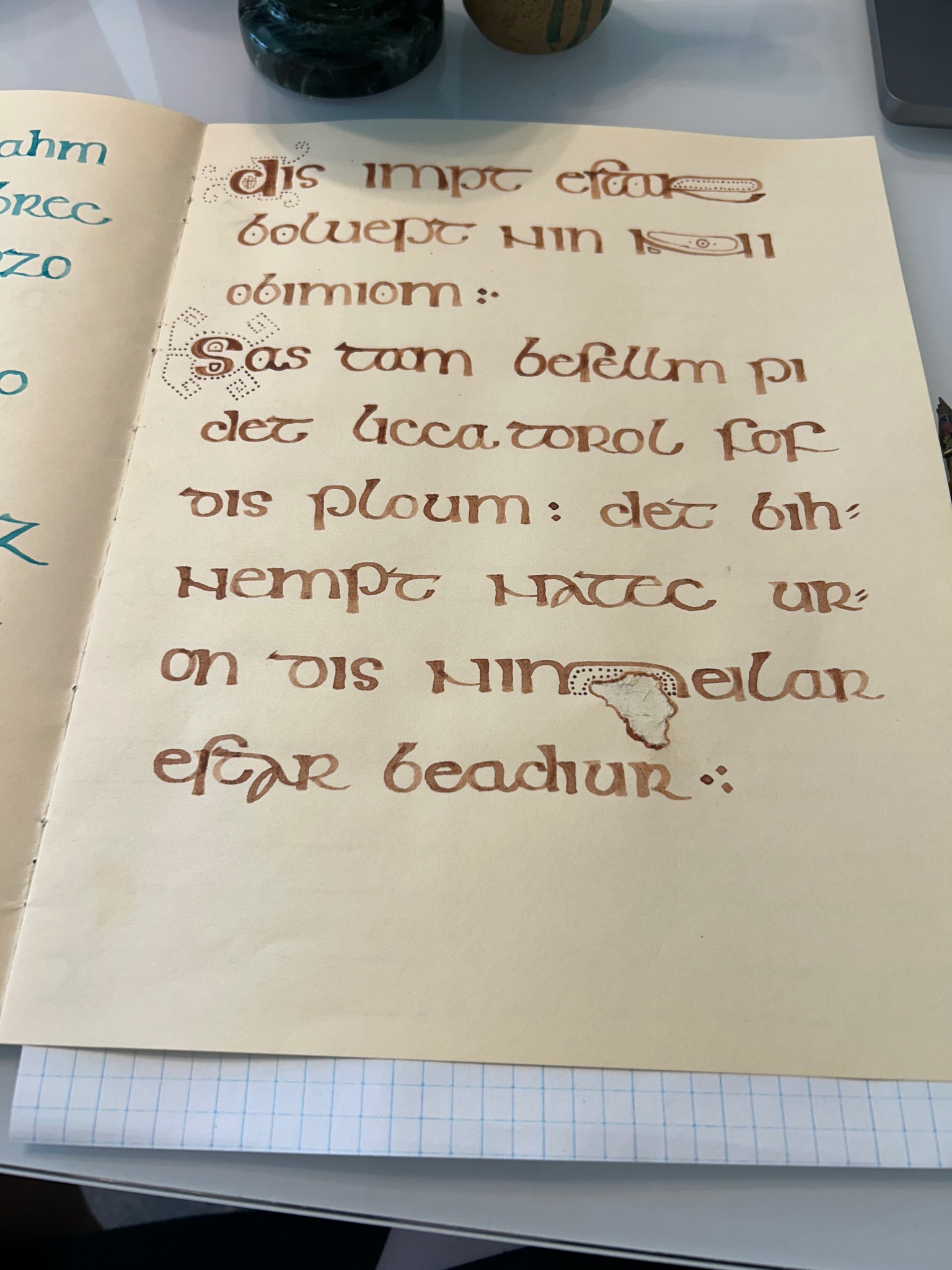
I was equally pleased with the red mineral pigment.

15

Combined Colors

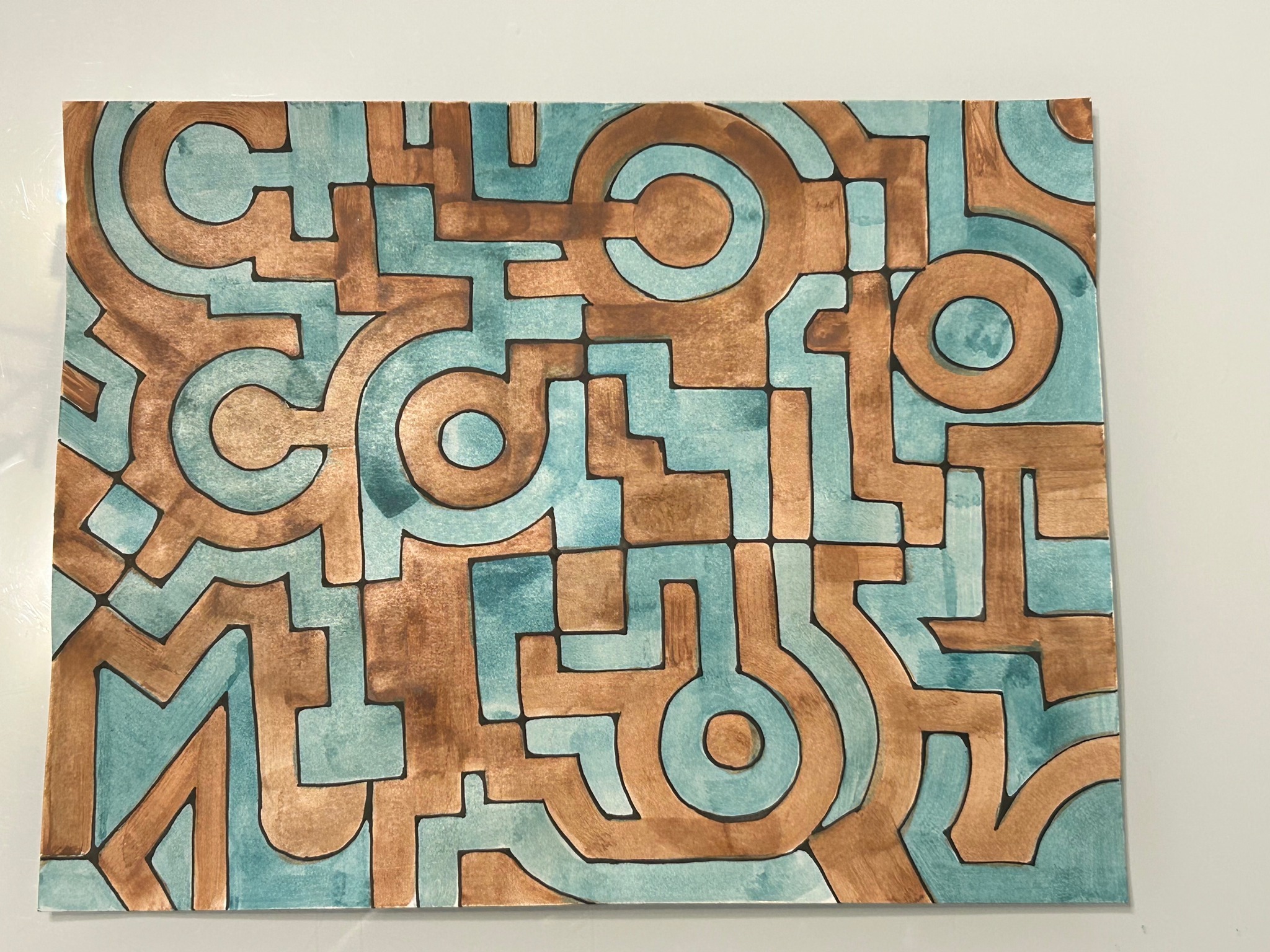
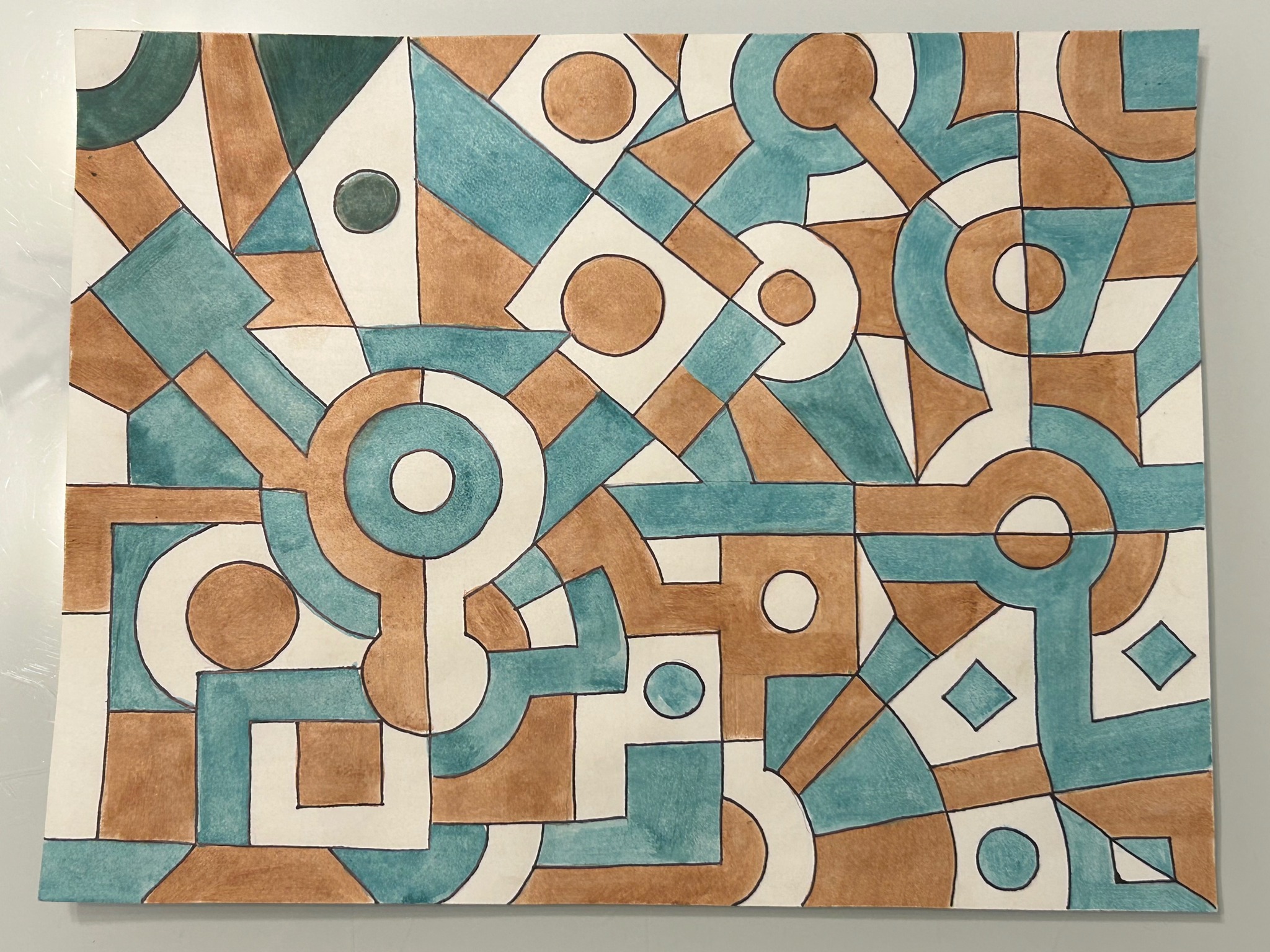
I decided to do a brush test combining both mineral pigments within a single test composition.

16

Finished Ink

The ModPodge binder fixed the pigment to the paper quite well while deepening the tones and minimizing puckering. The final results were unexpectedly rich and stable.

About this Exhibit

This exhibit documents the process of creating mineral-based pigment and ink from raw stone using a combination of traditional grinding, levigation, drying, and binding techniques. Rather than presenting only finished works, the exhibit follows the transformation of material through experimentation, failure, refinement, and testing.