 Trent Pehrson
An epitaph scroll and two sarcophagi for a pair of hummingbirds
Explore the Exhibit About This Exhibit About the Artist
The Hummingbird Sarcophagi began with an unexpected and disturbing encounter. One spring morning, as I
walked into work, I witnessed two hummingbirds engaged in a mating chase, one pursuing the other. Just
as I began to wonder at the magic of it, the birds collided with the mirrored glass of the large,
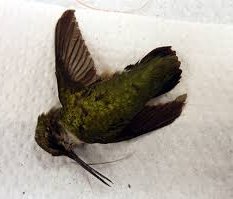
two-story entrance at full speed and plummeted to the ground. I ran to the place where they fell, hoping
they might be saved, but they were clearly gone. What was most difficult was the abruptness and apparent
meaninglessness of it: these tiny, iridescent, jewel-like creatures had been full of movement and life
only moments before, and then were suddenly stilled. It felt utterly unjust. It seemed somehow wrong to
simply leave their little bodies where they had fallen.
I collected the birds in a manila envelope and resolved to make a small memorial for them. I mixed some
natron and buried their tiny bodies in it to desiccate and preserve them for appropriate remembrance.
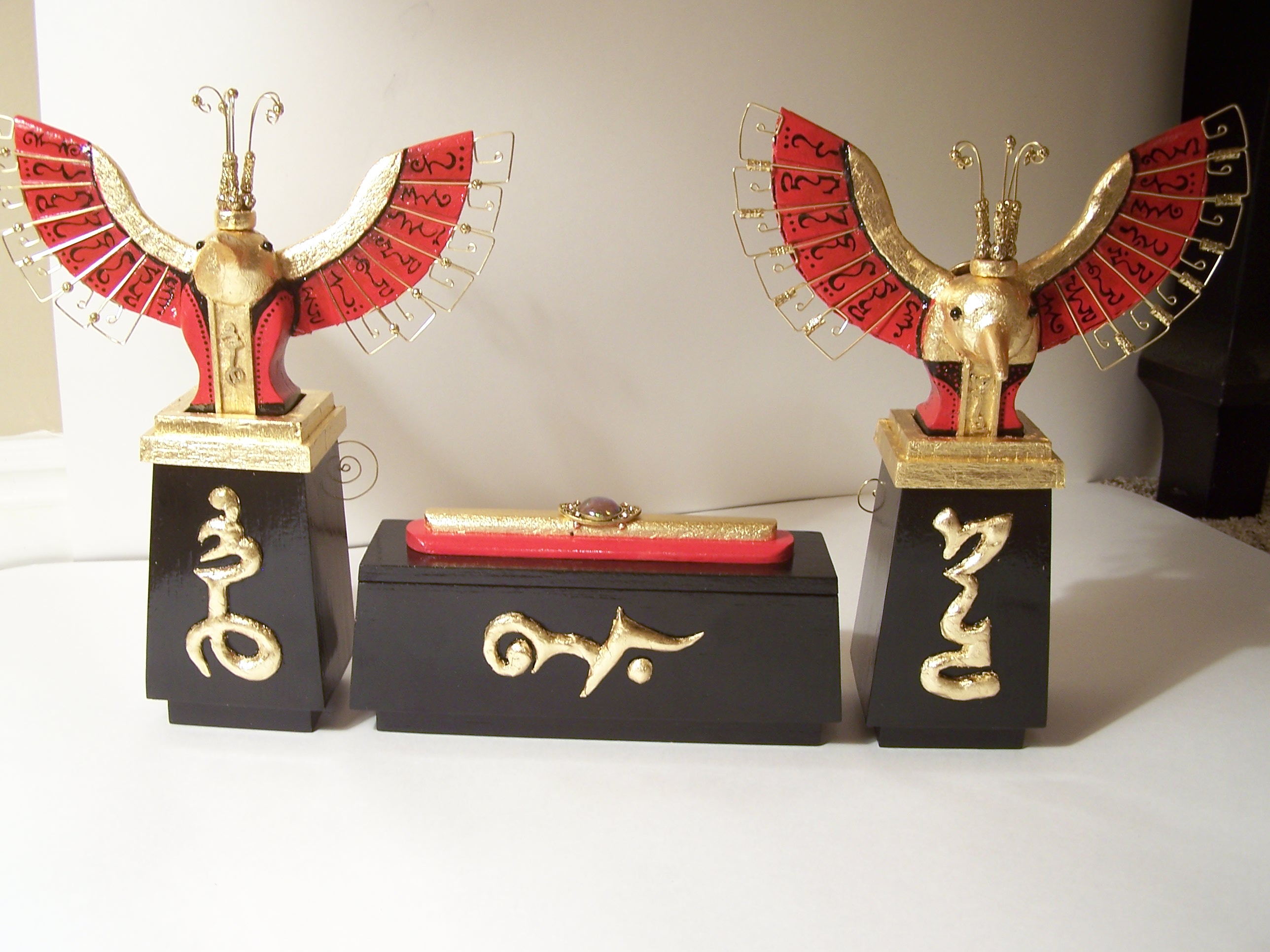
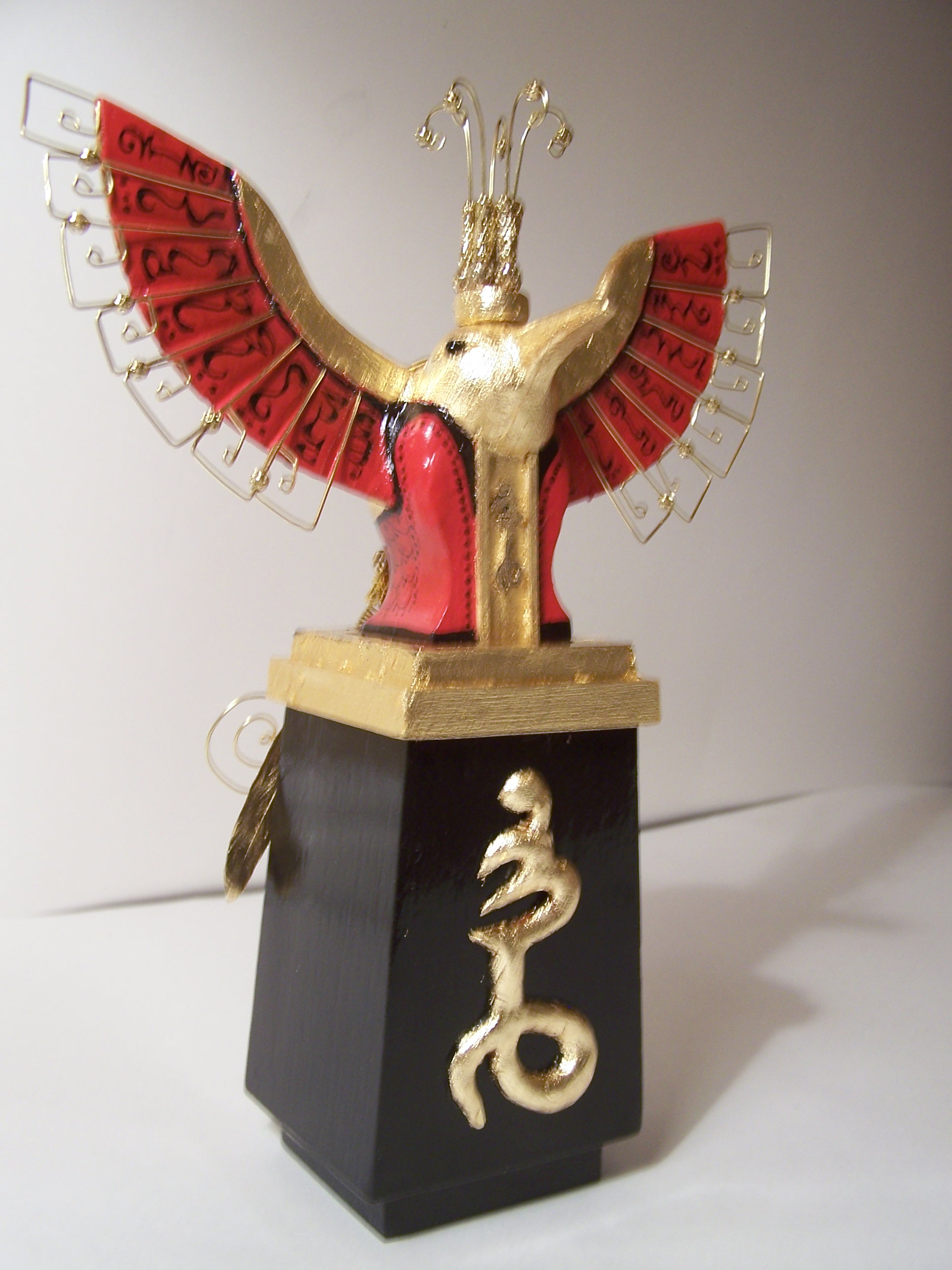
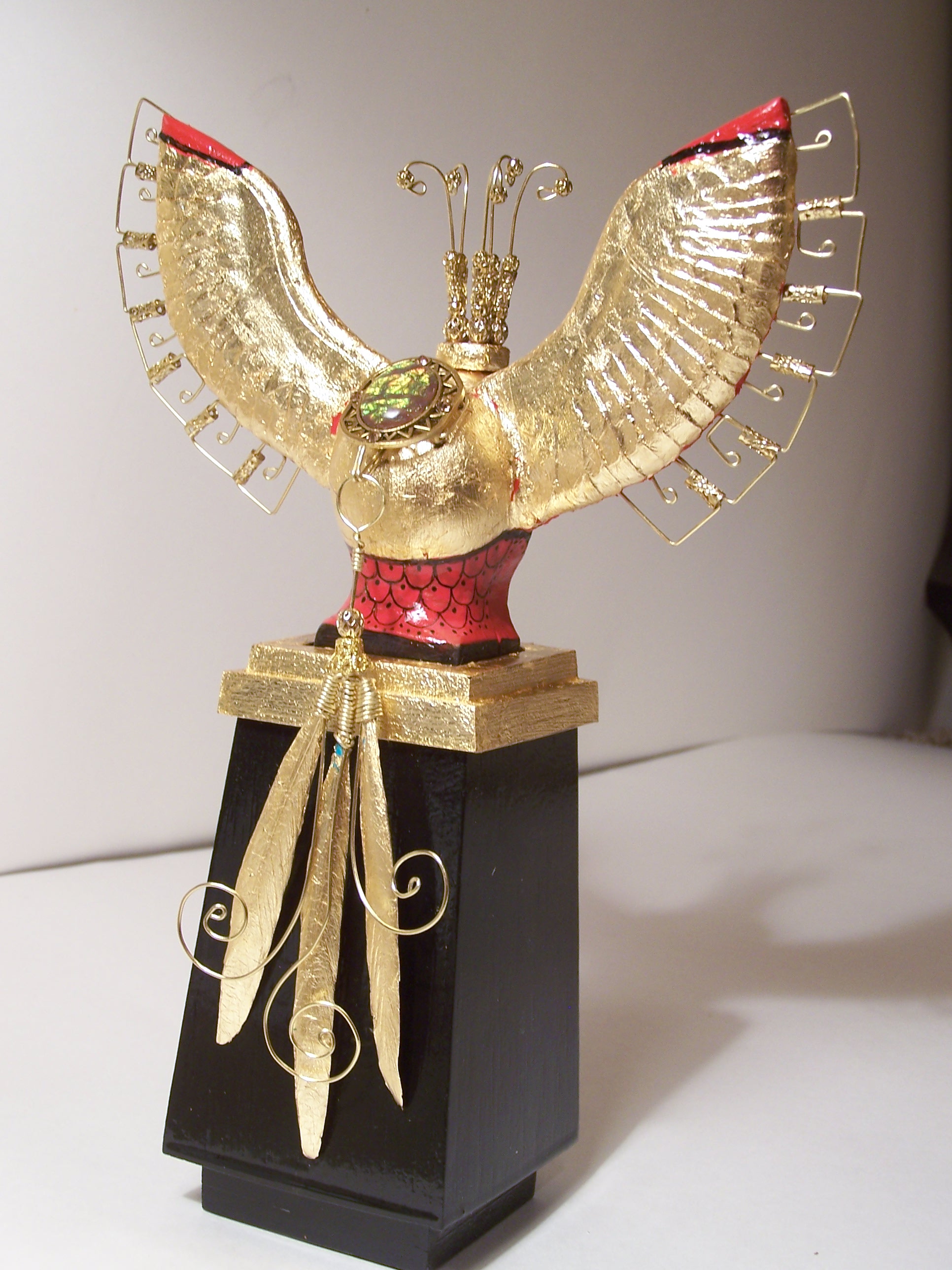
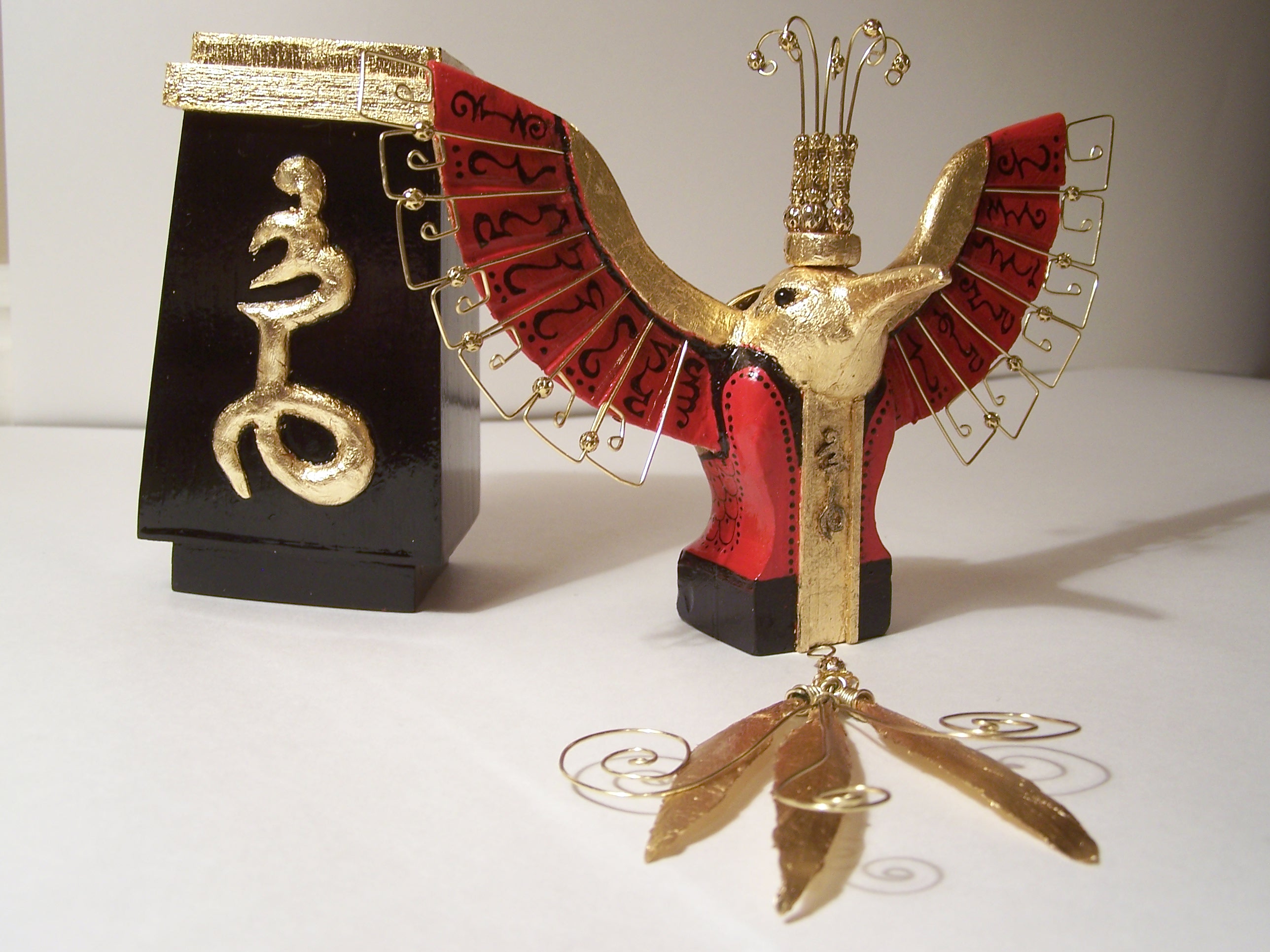
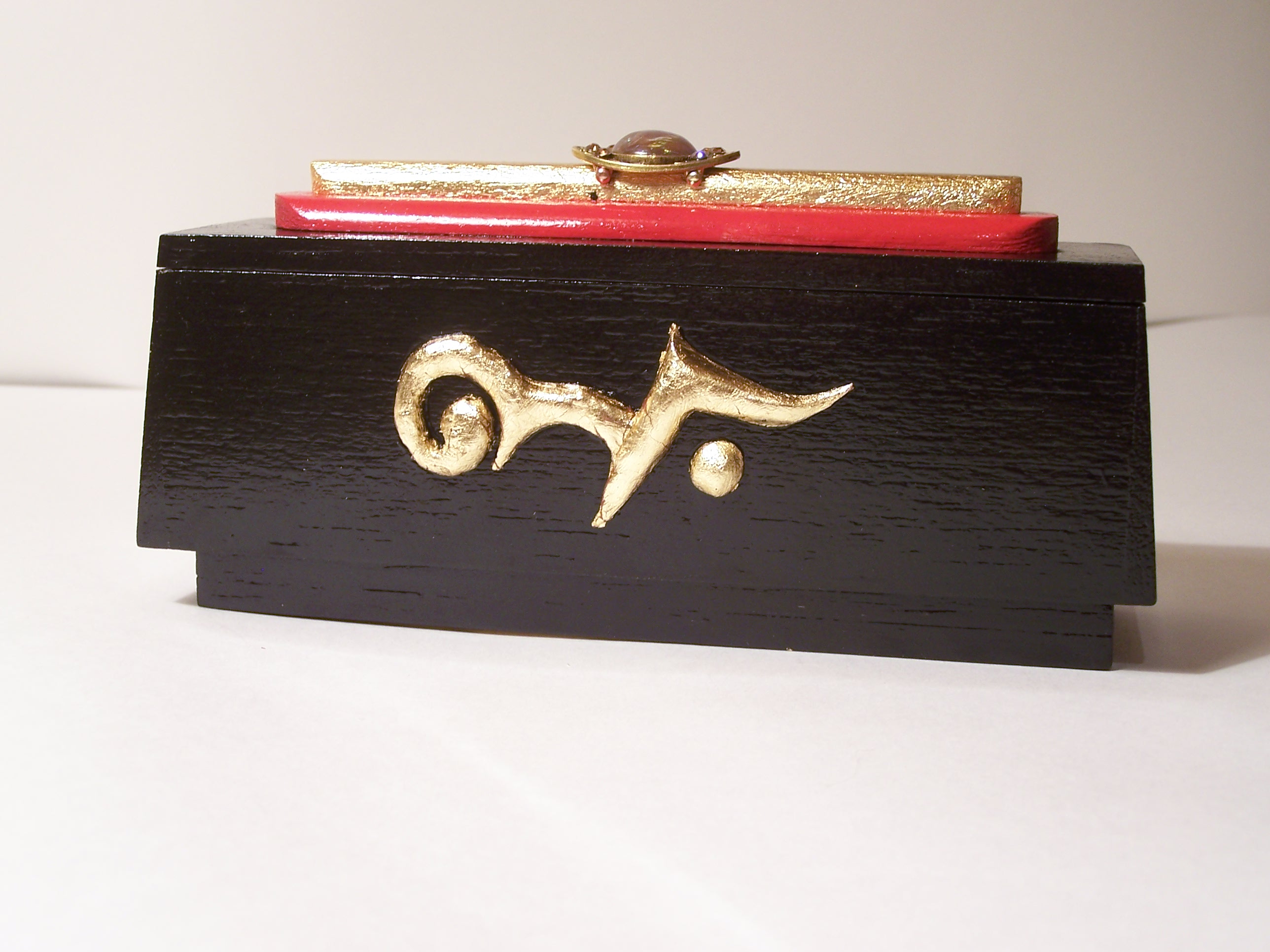
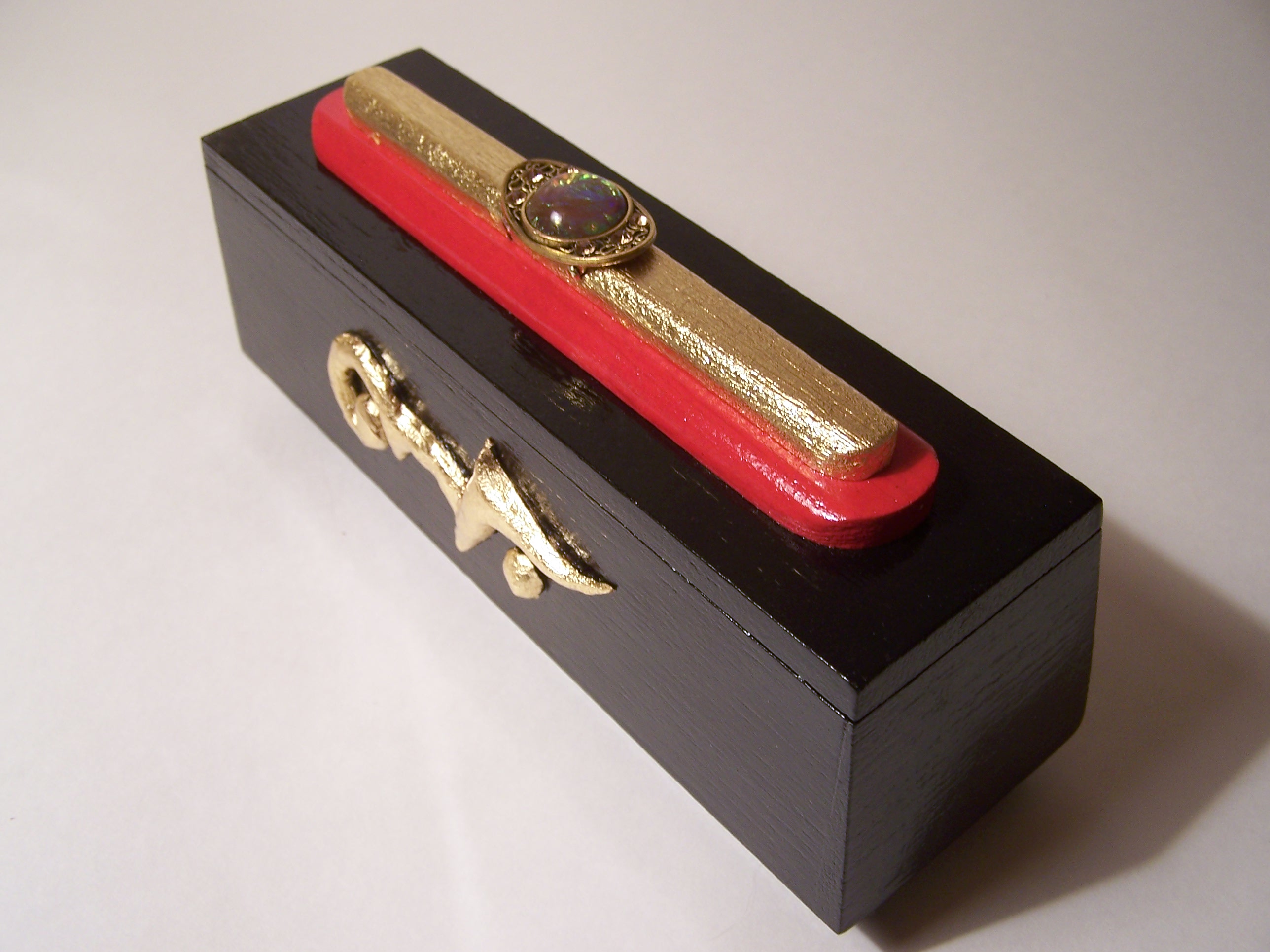
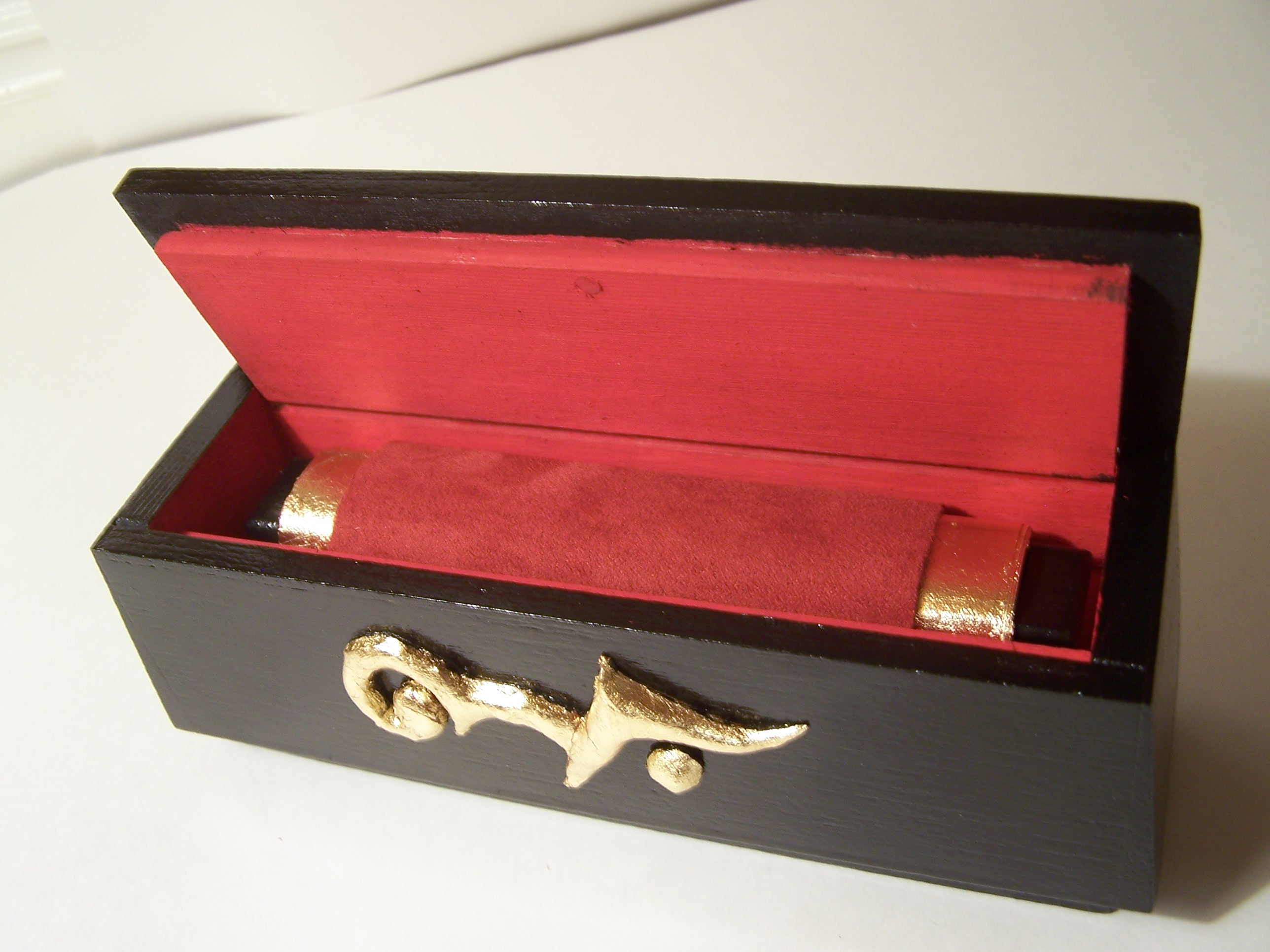
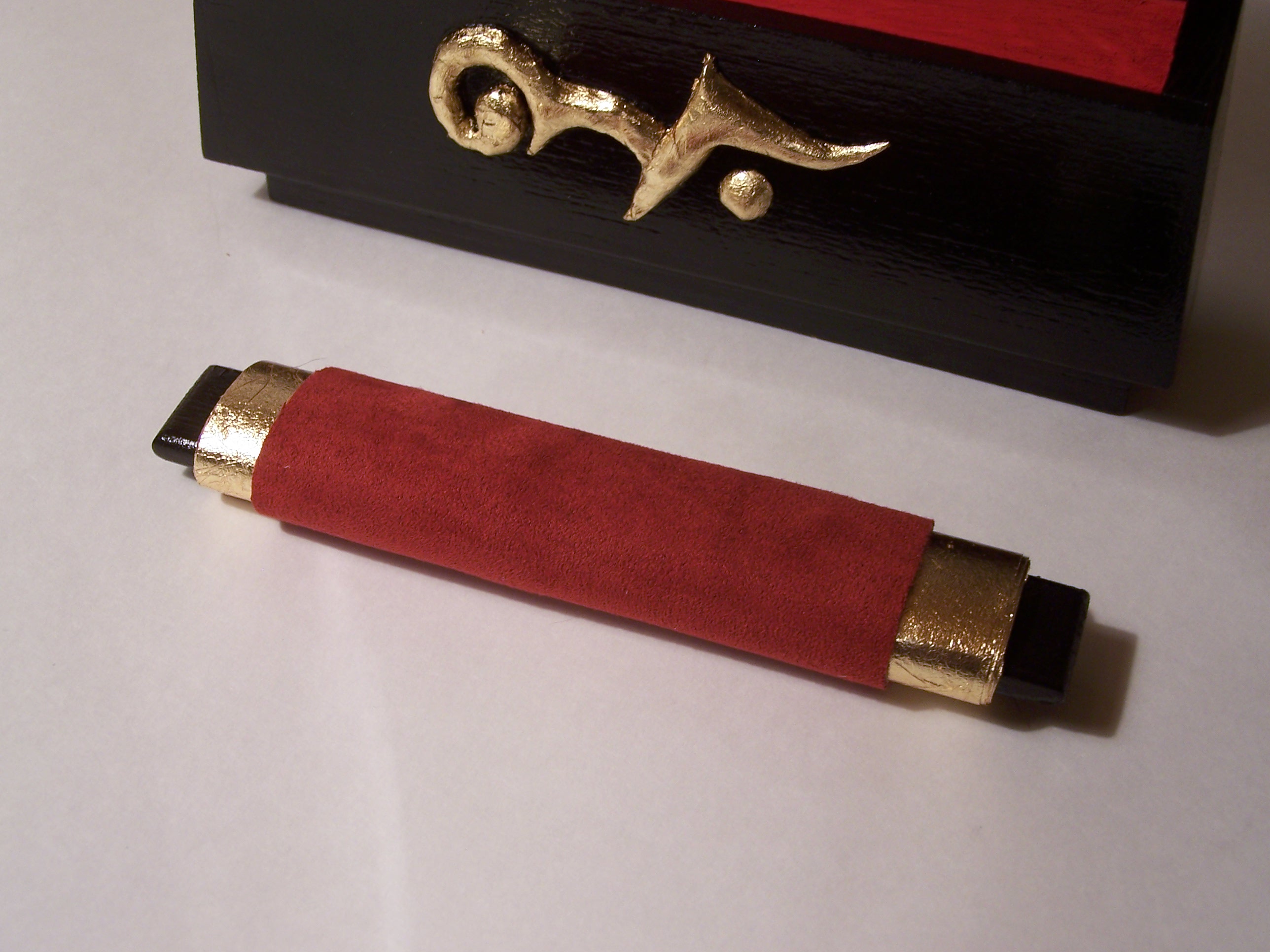
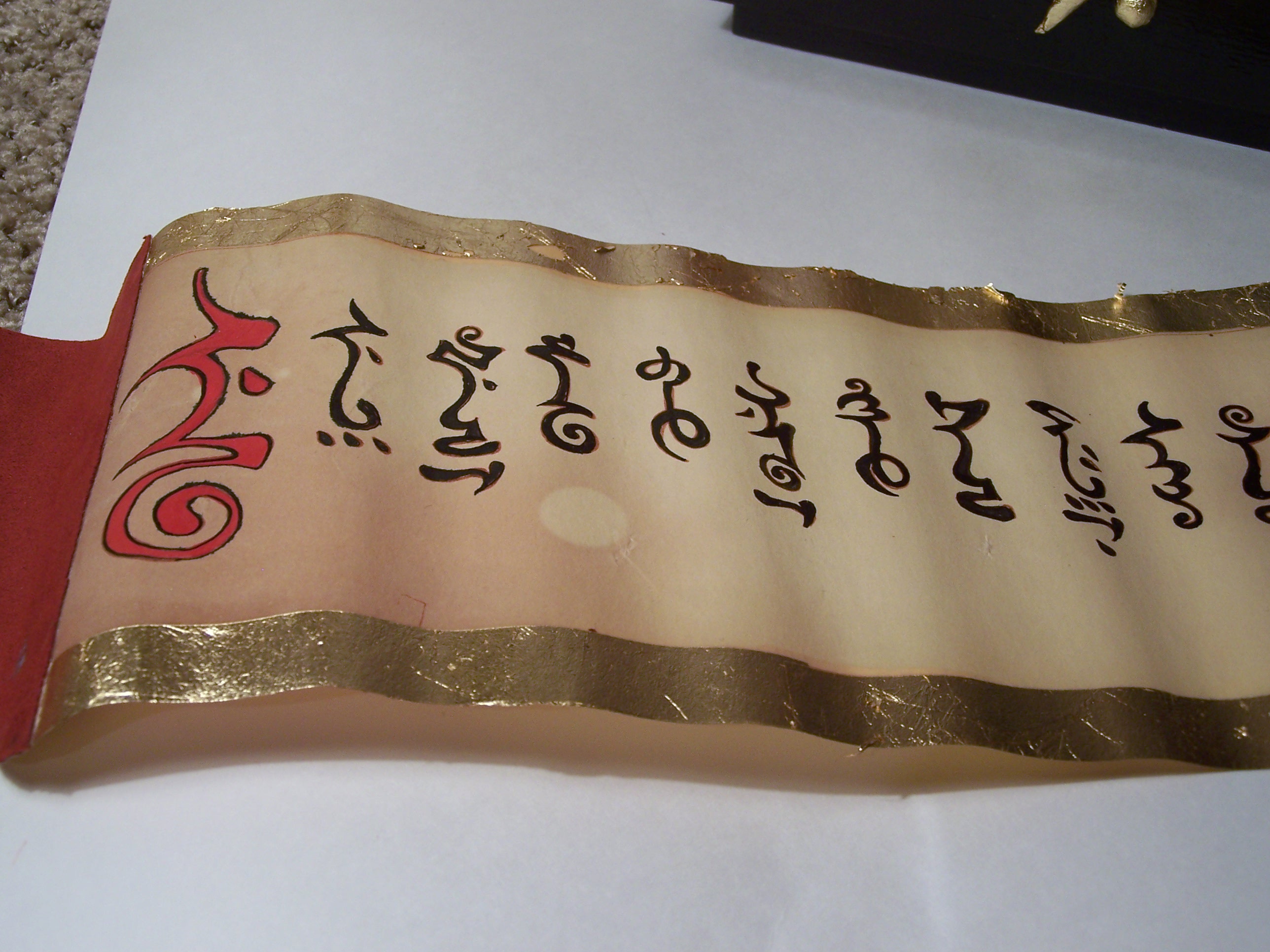
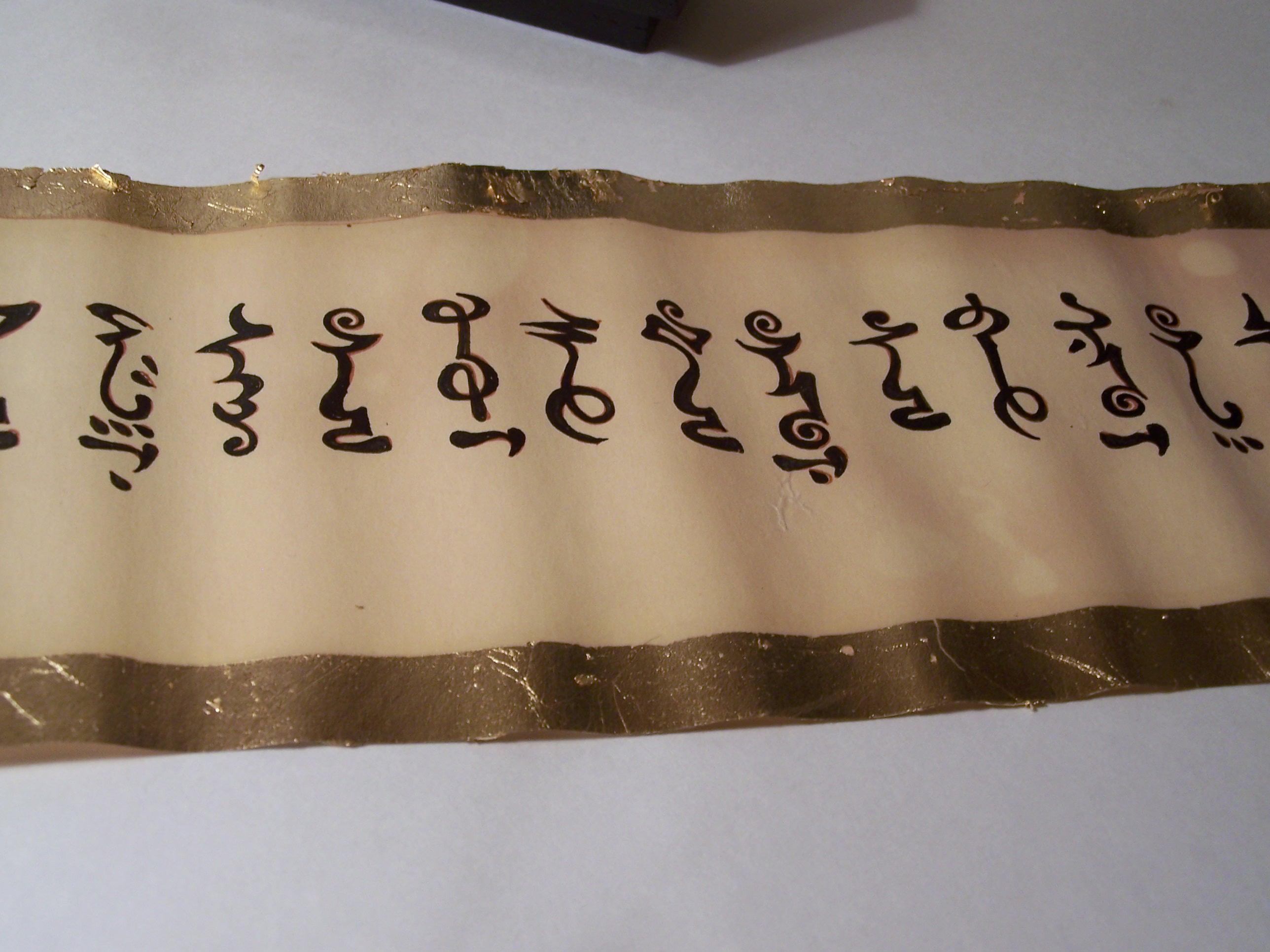
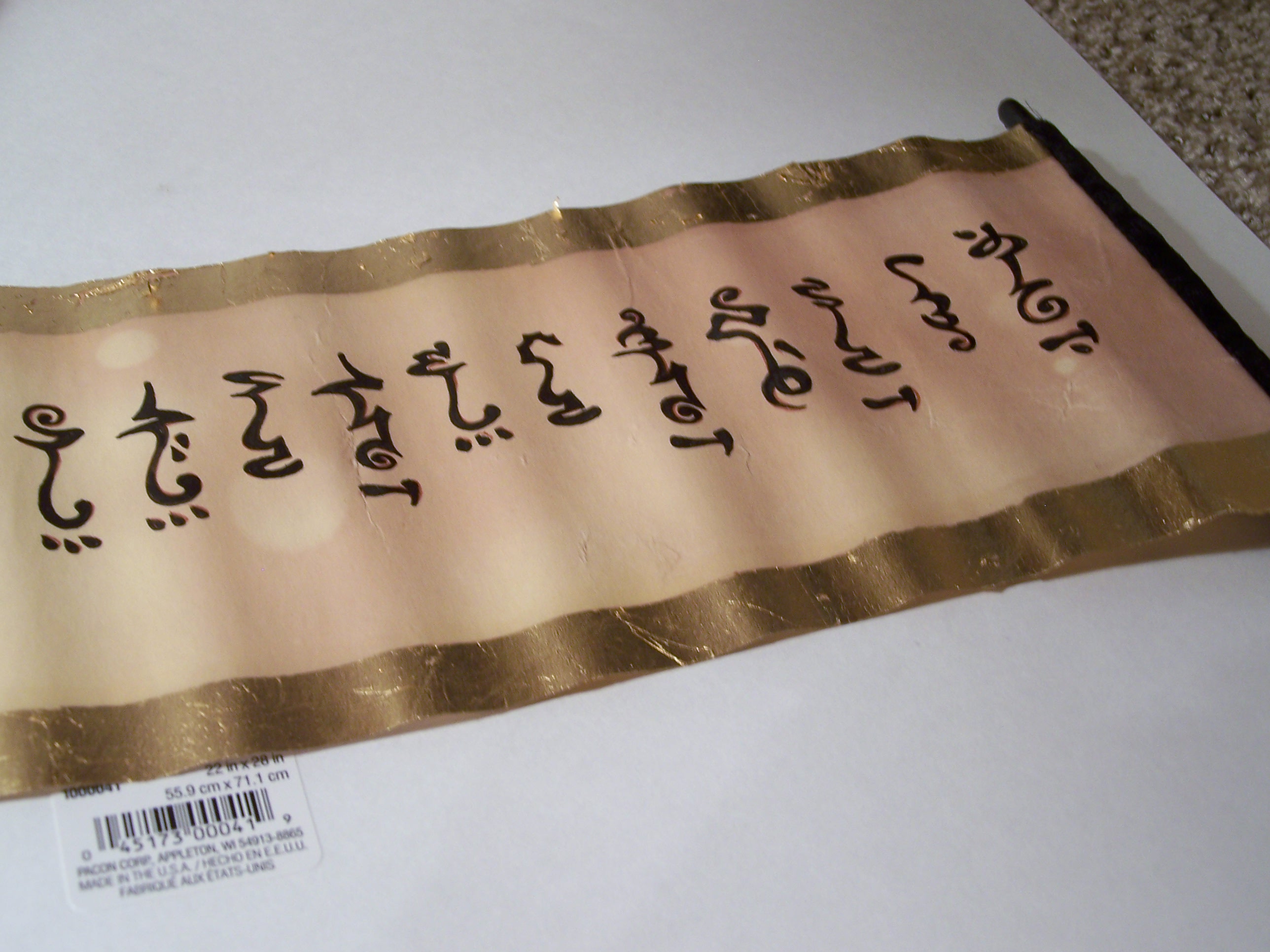
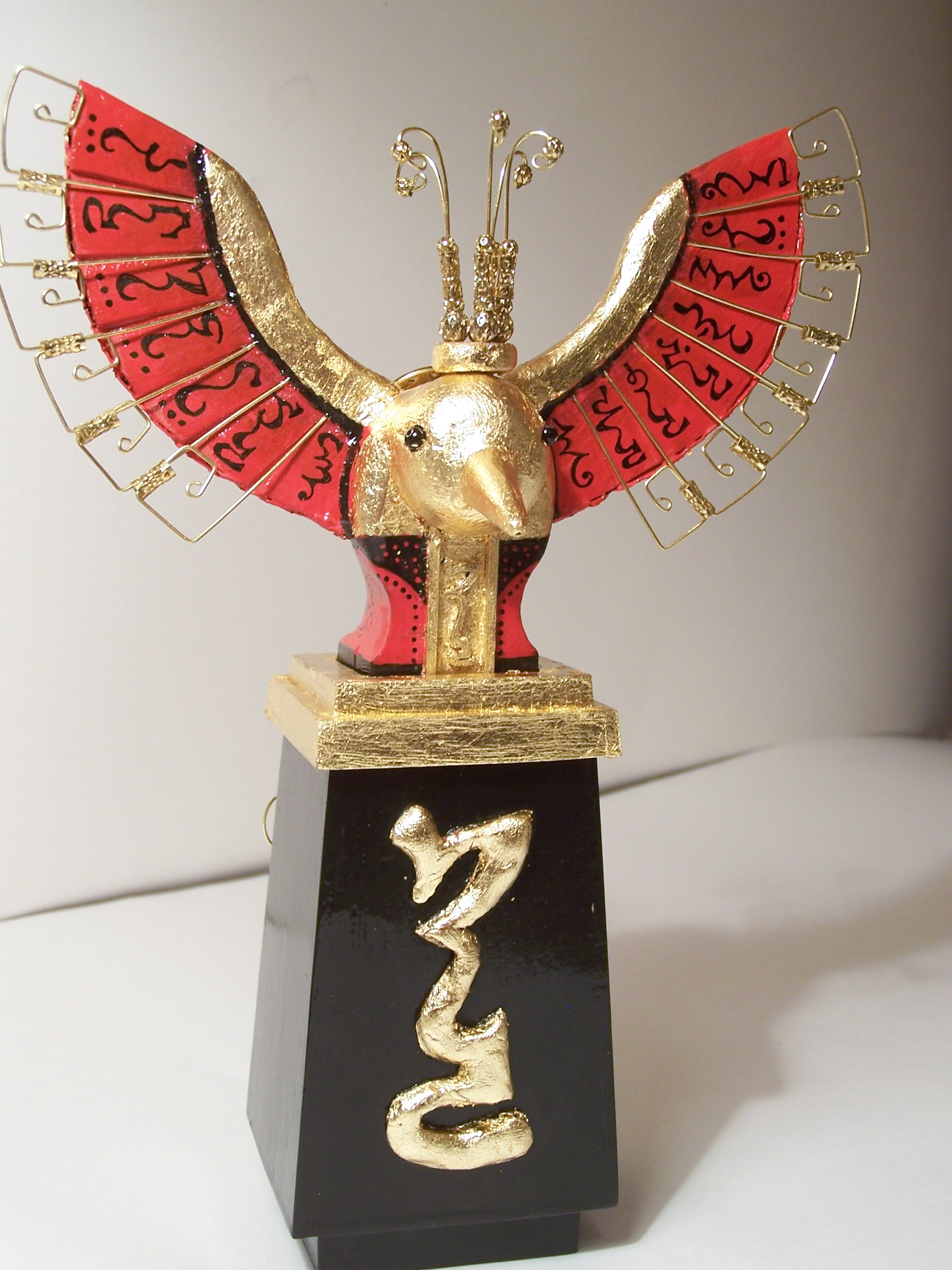
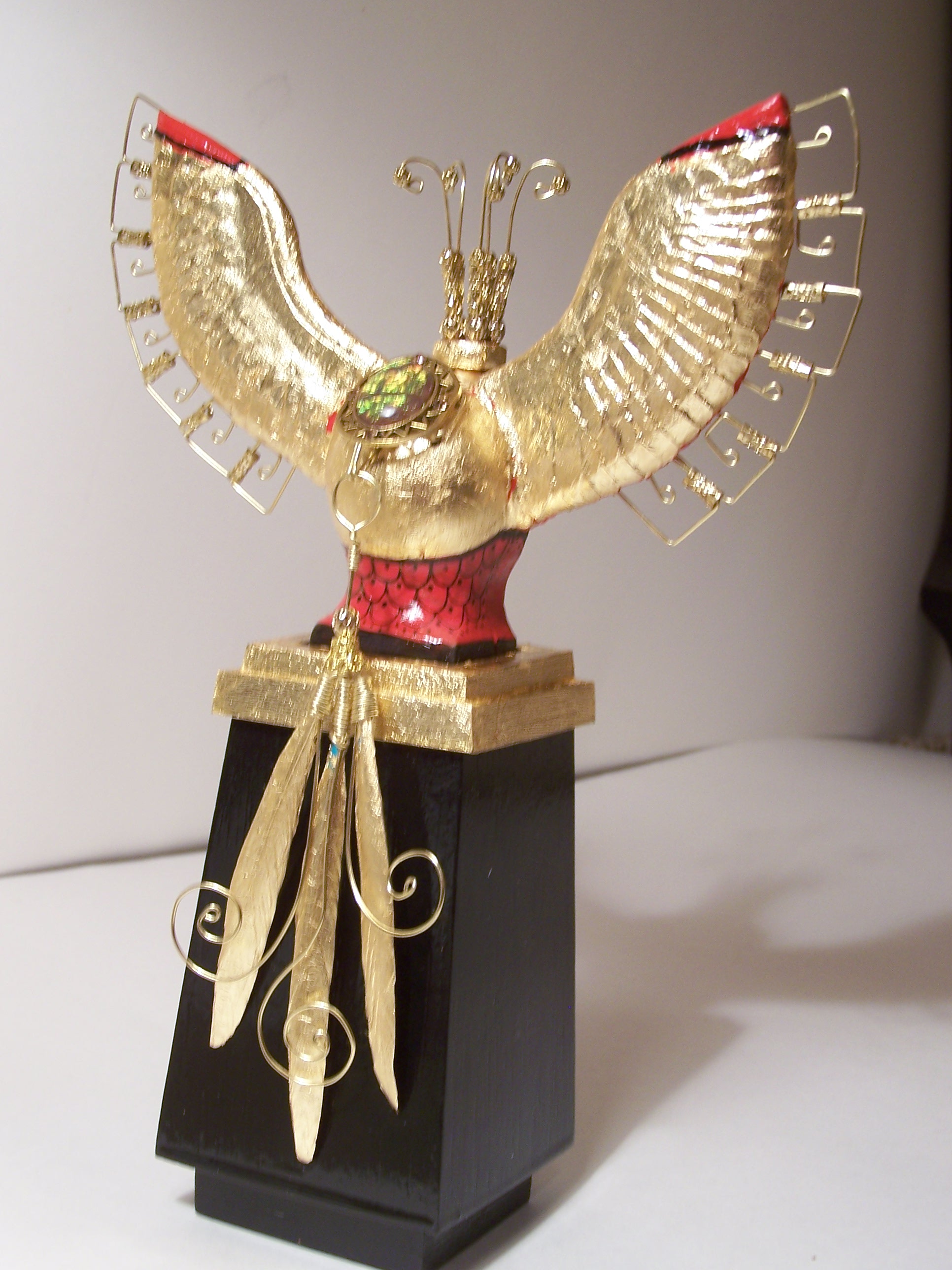
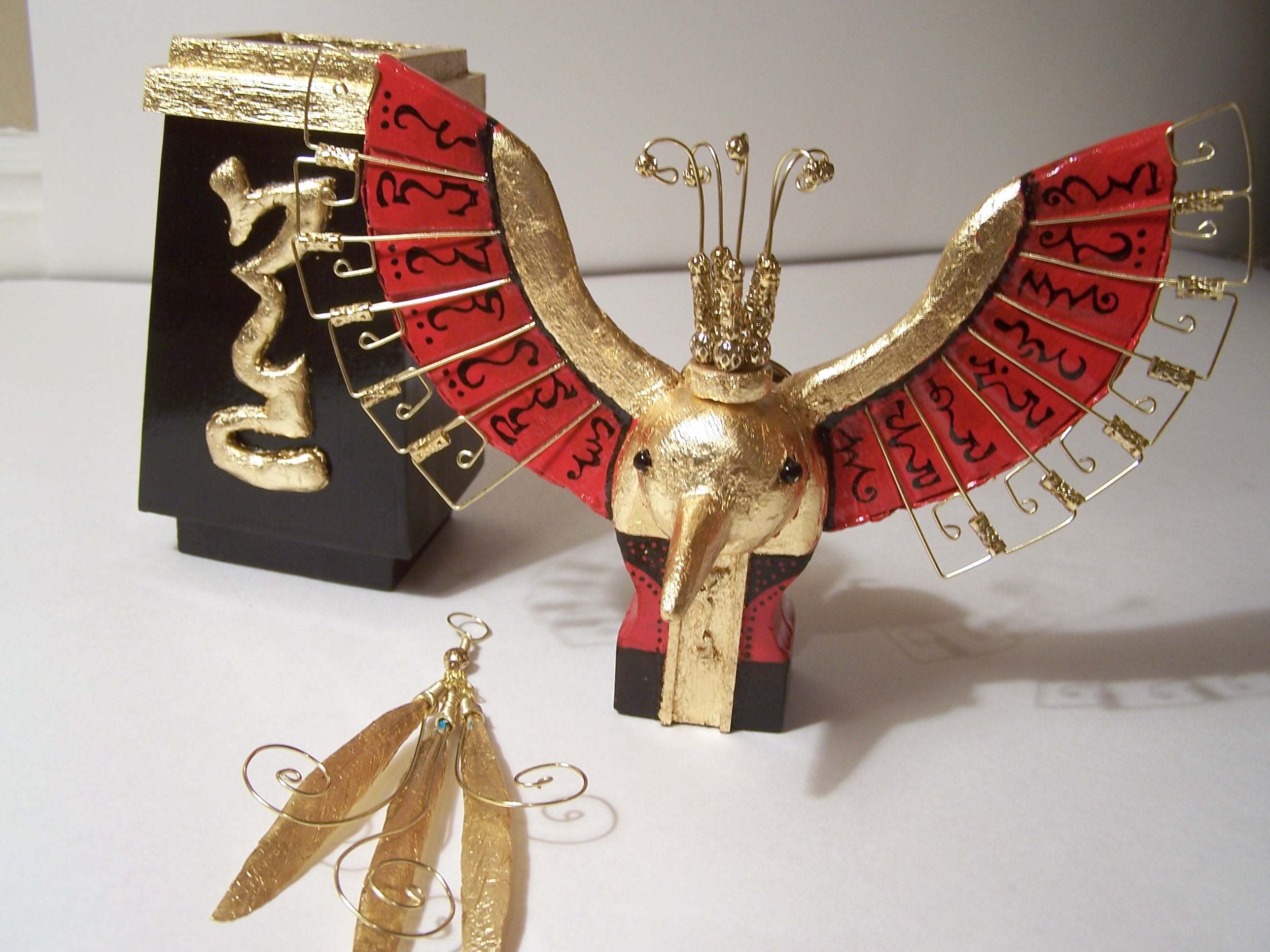
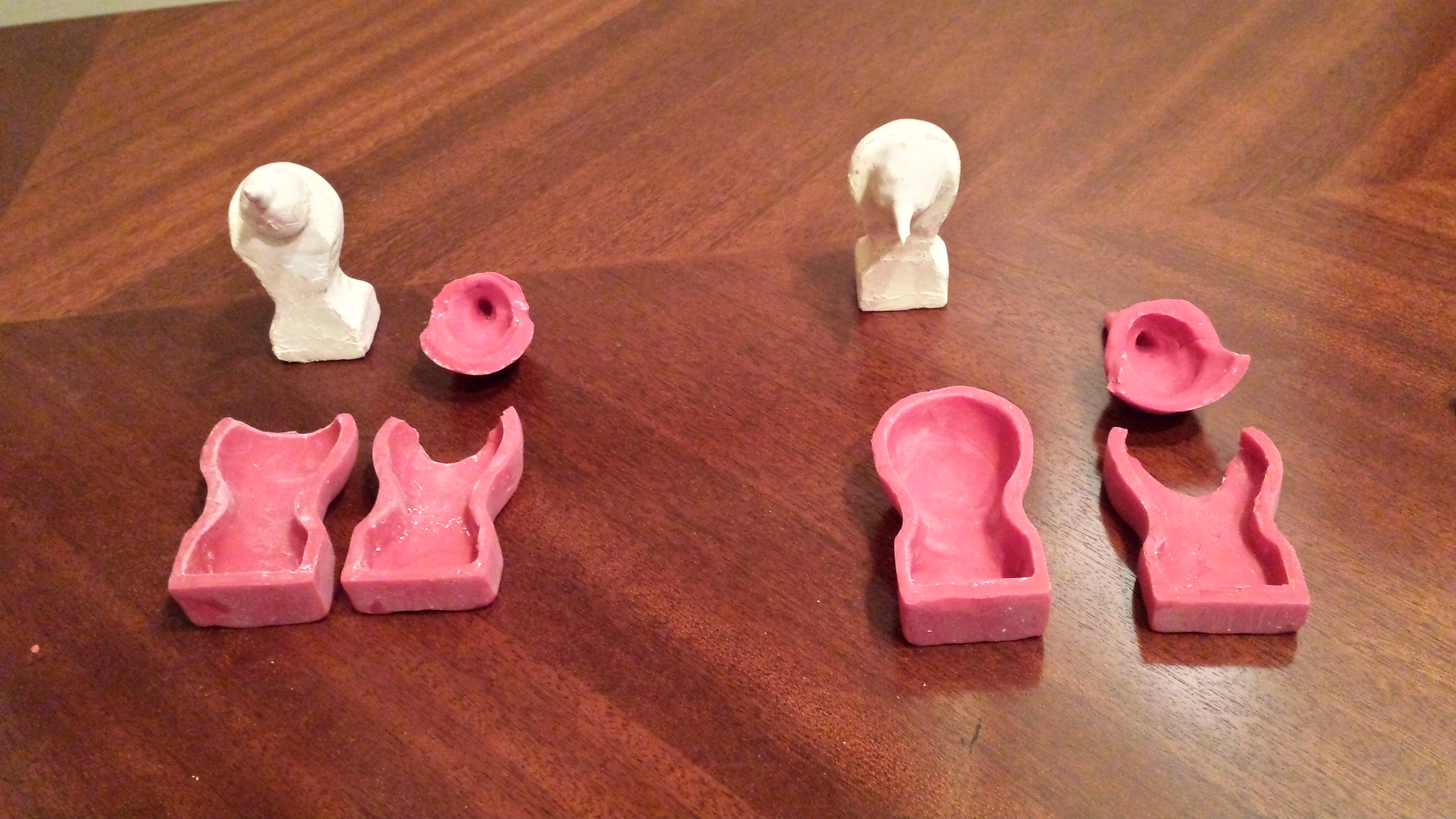
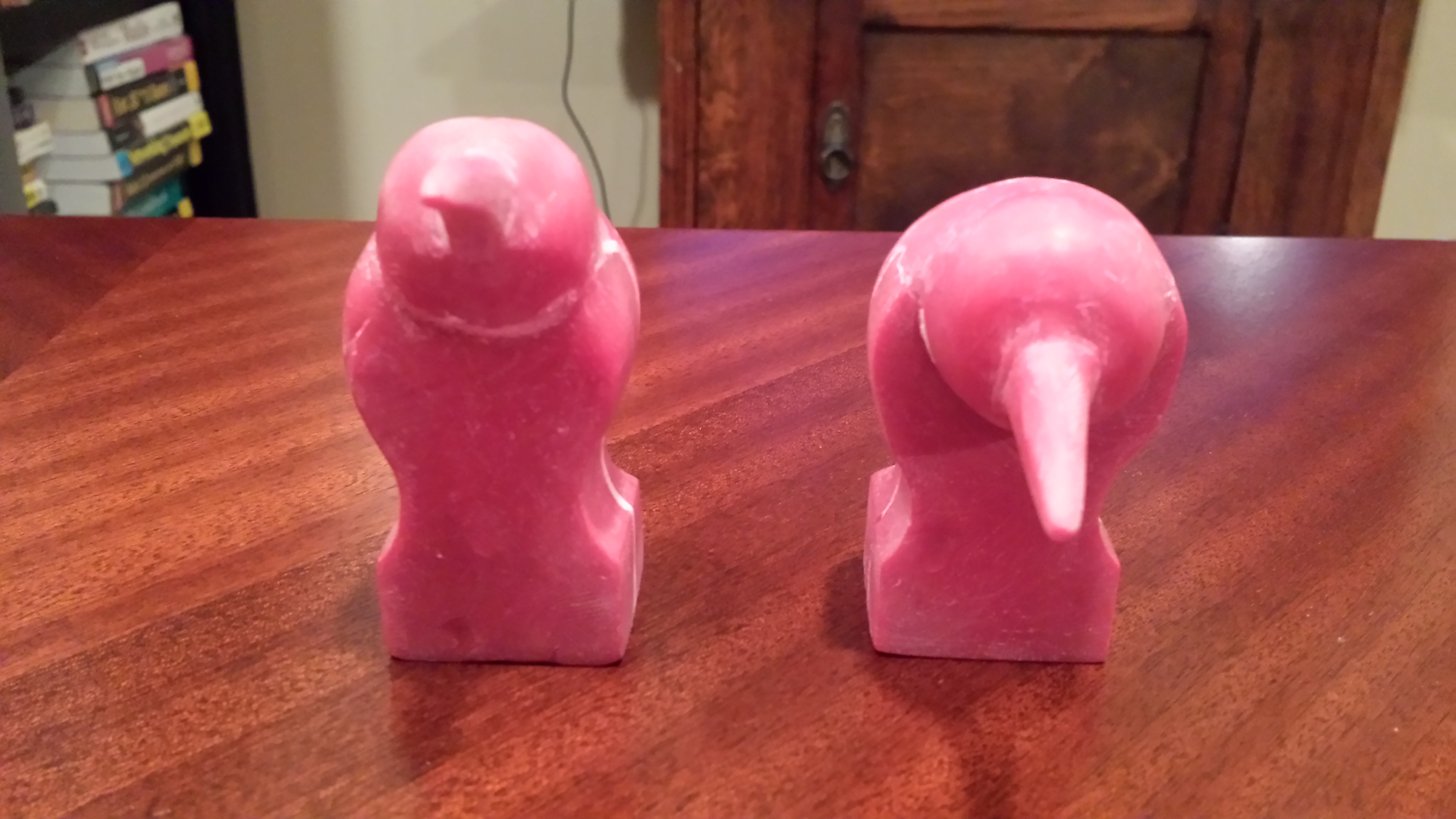
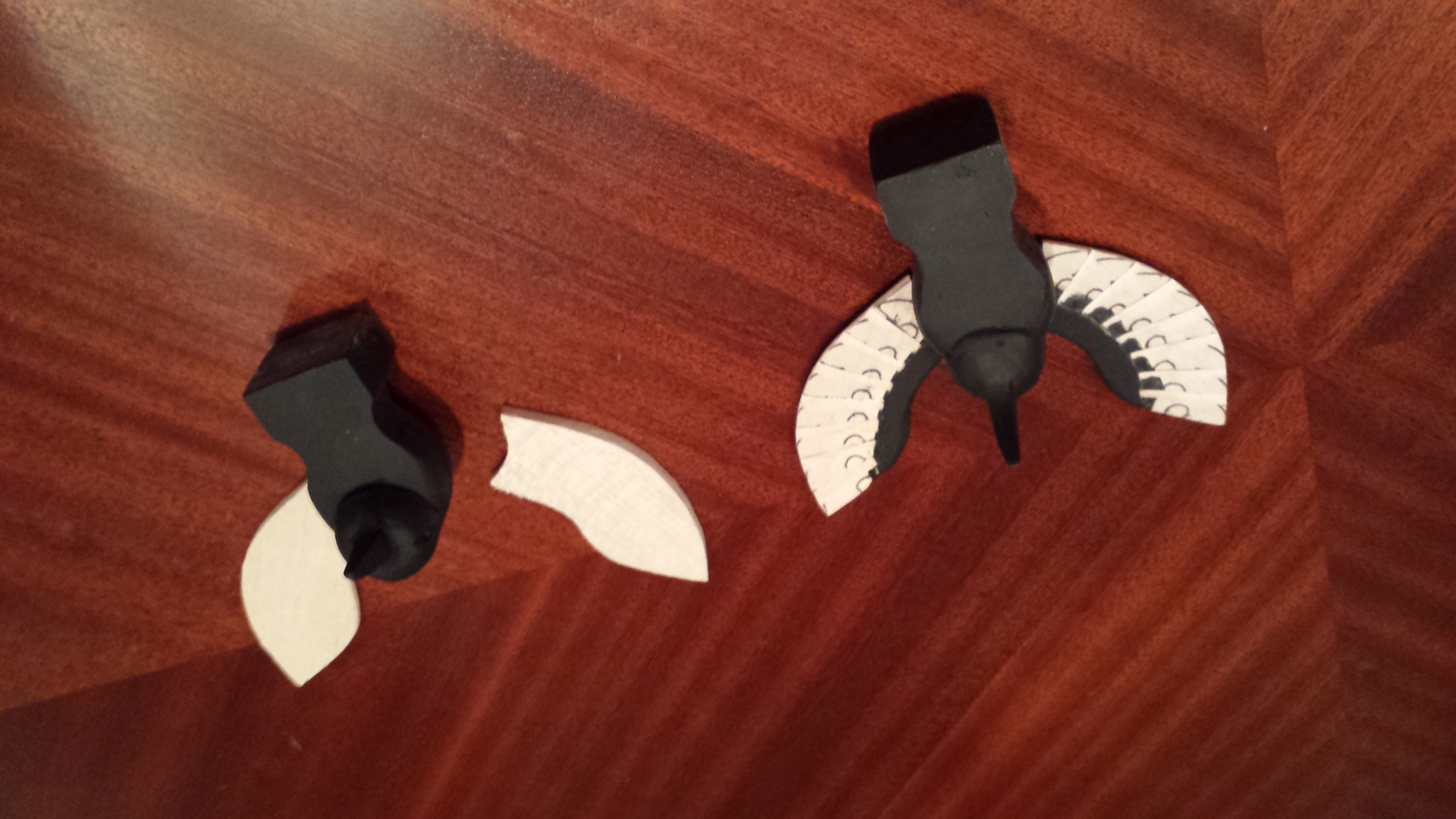
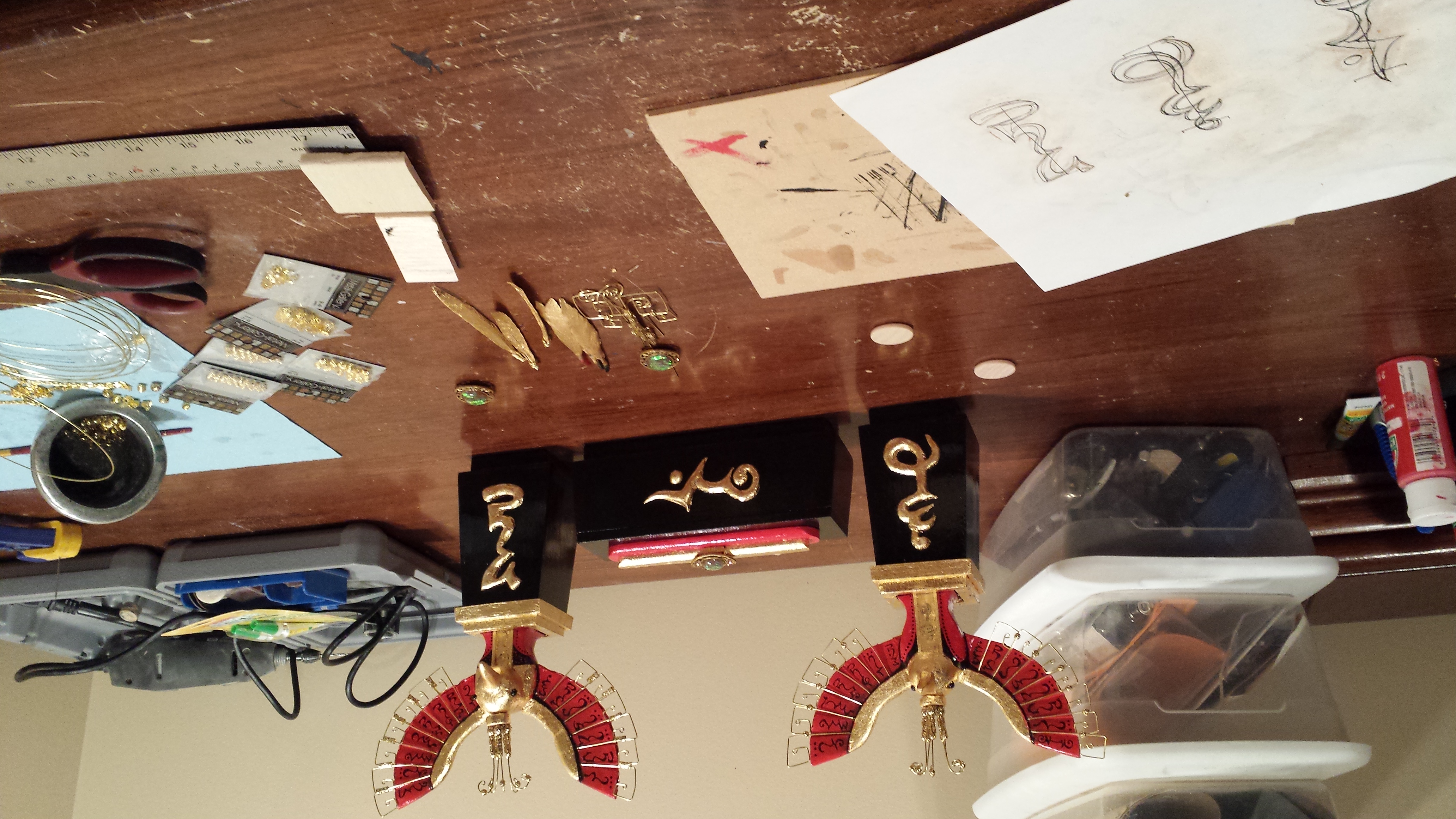
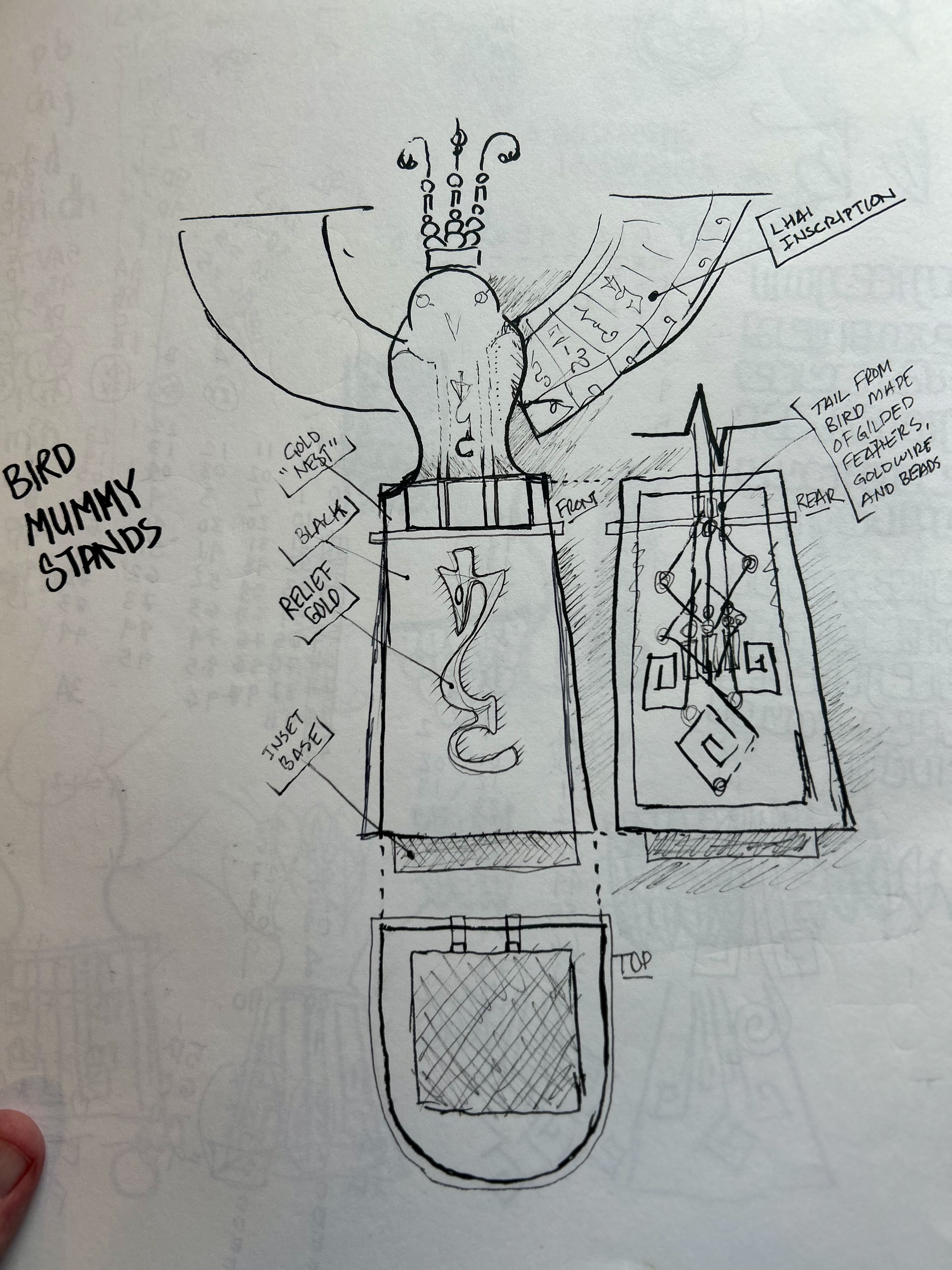
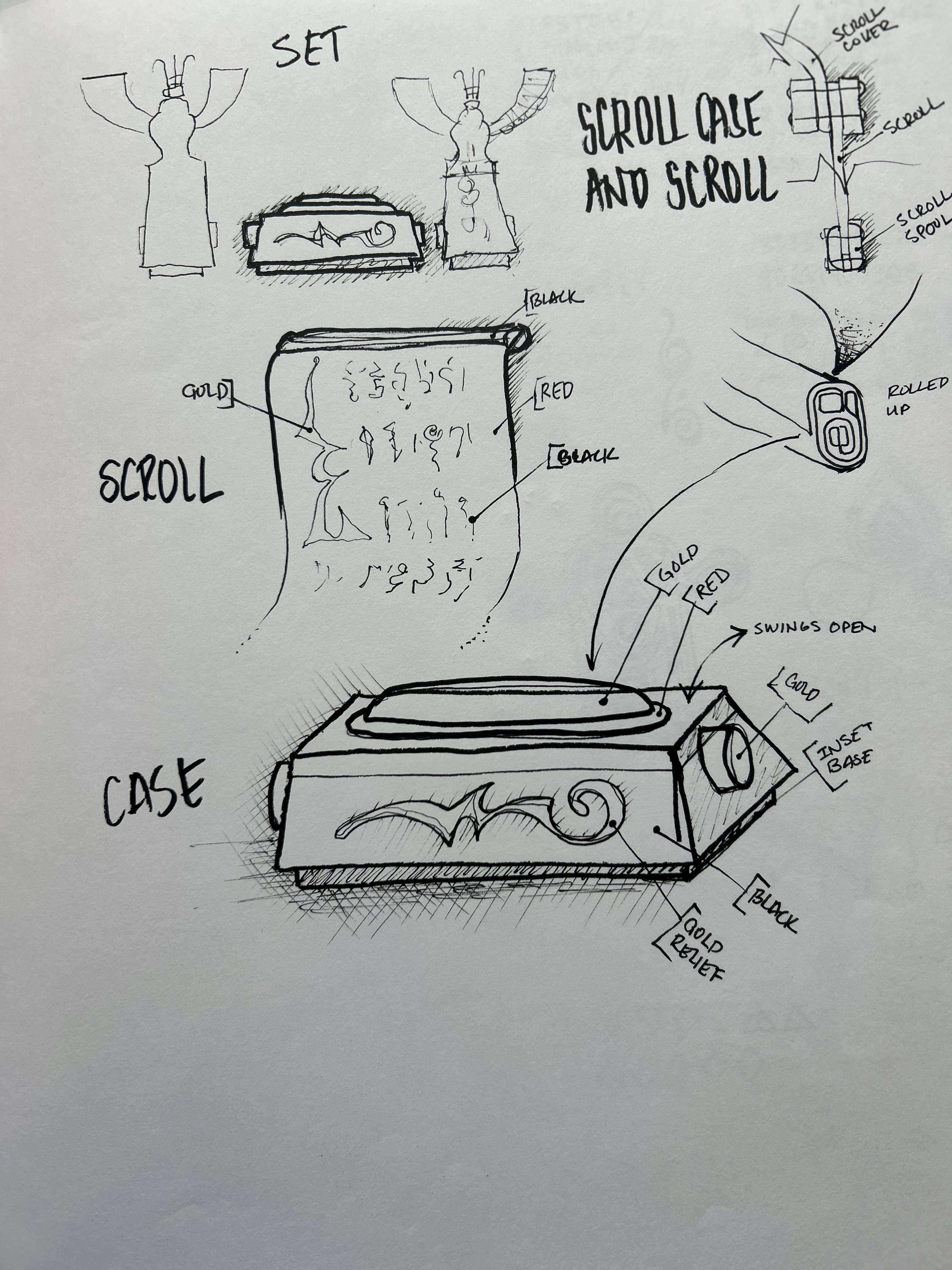
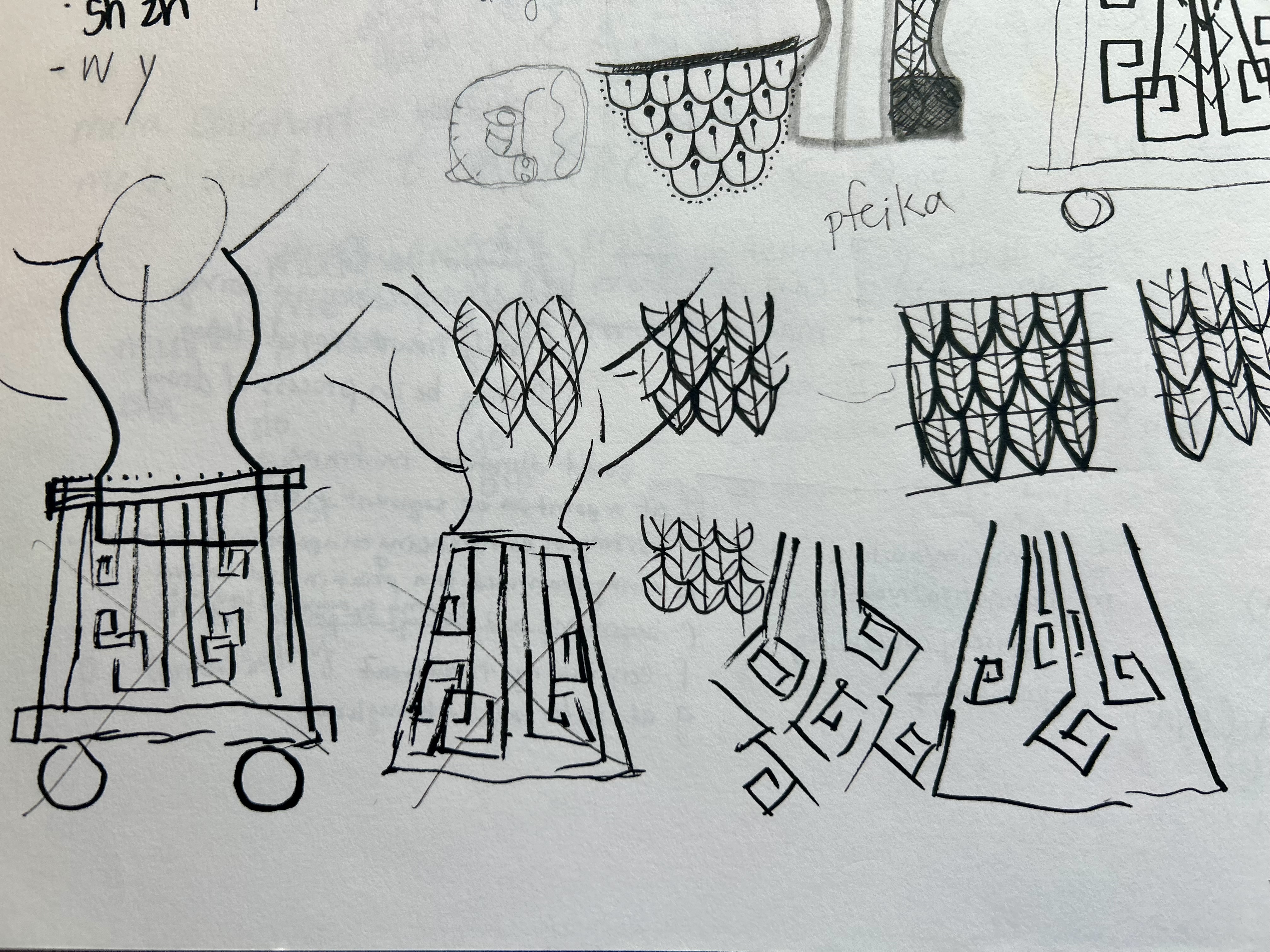
While they were being preserved, I constructed tiny sarcophagi for them, along with a miniature scroll
and scroll case bearing an appropriate epitaph written in Idrani, naming them only "male" and "female."
The resulting work is admittedly unusual, or even strange. But it felt appropriate to me to recognize
the existence of two tiny creatures who brought wonder to me and whose abrupt deaths were caused by
human construction that never gave thought to the risks it might pose to wildlife. Hummingbird
Sarcophagi is a way of insisting that even a brief and seemingly small life is important and deserves
remembrance, recognition, and a place in the world we build.