 Trent Pehrson
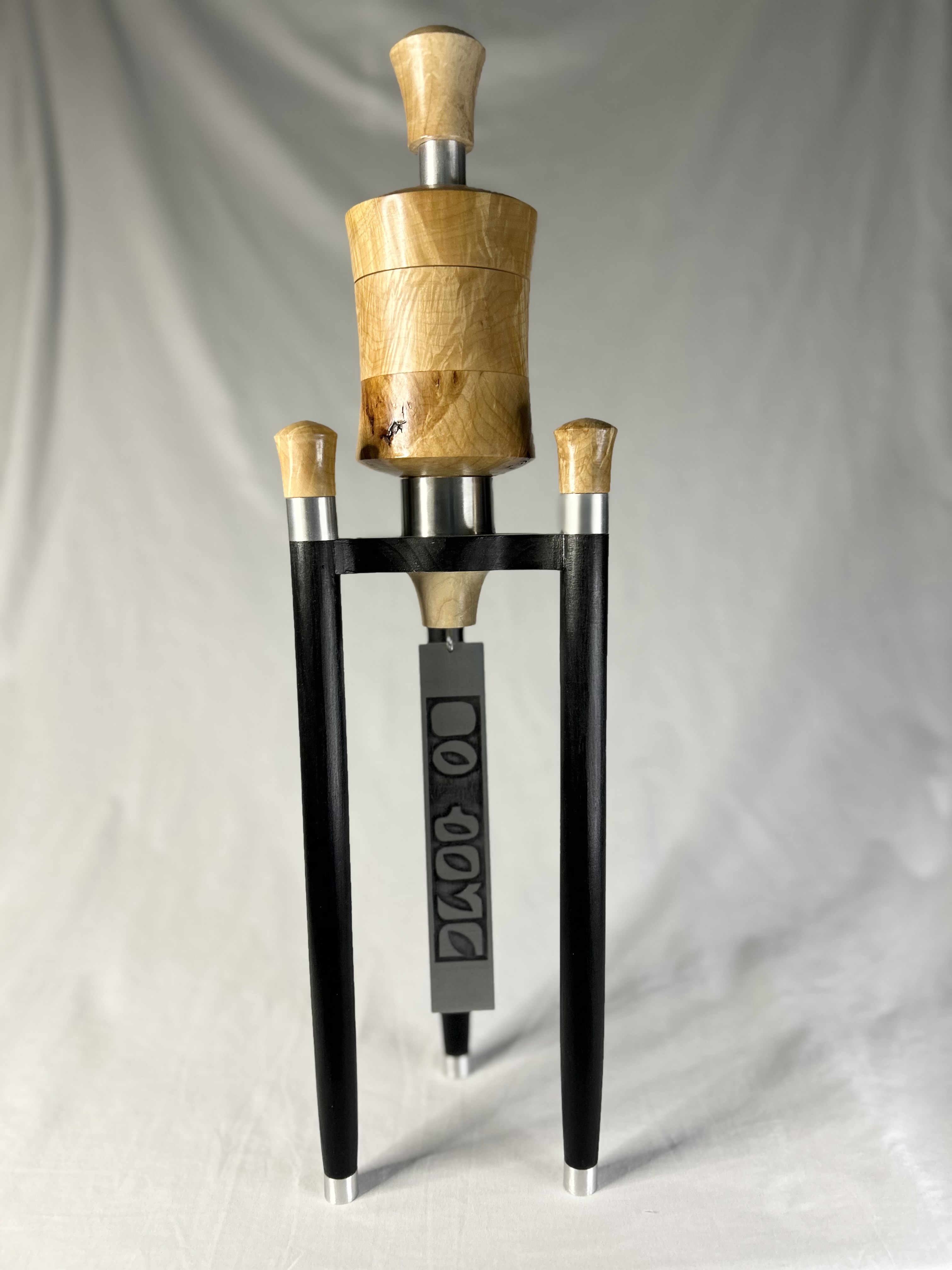
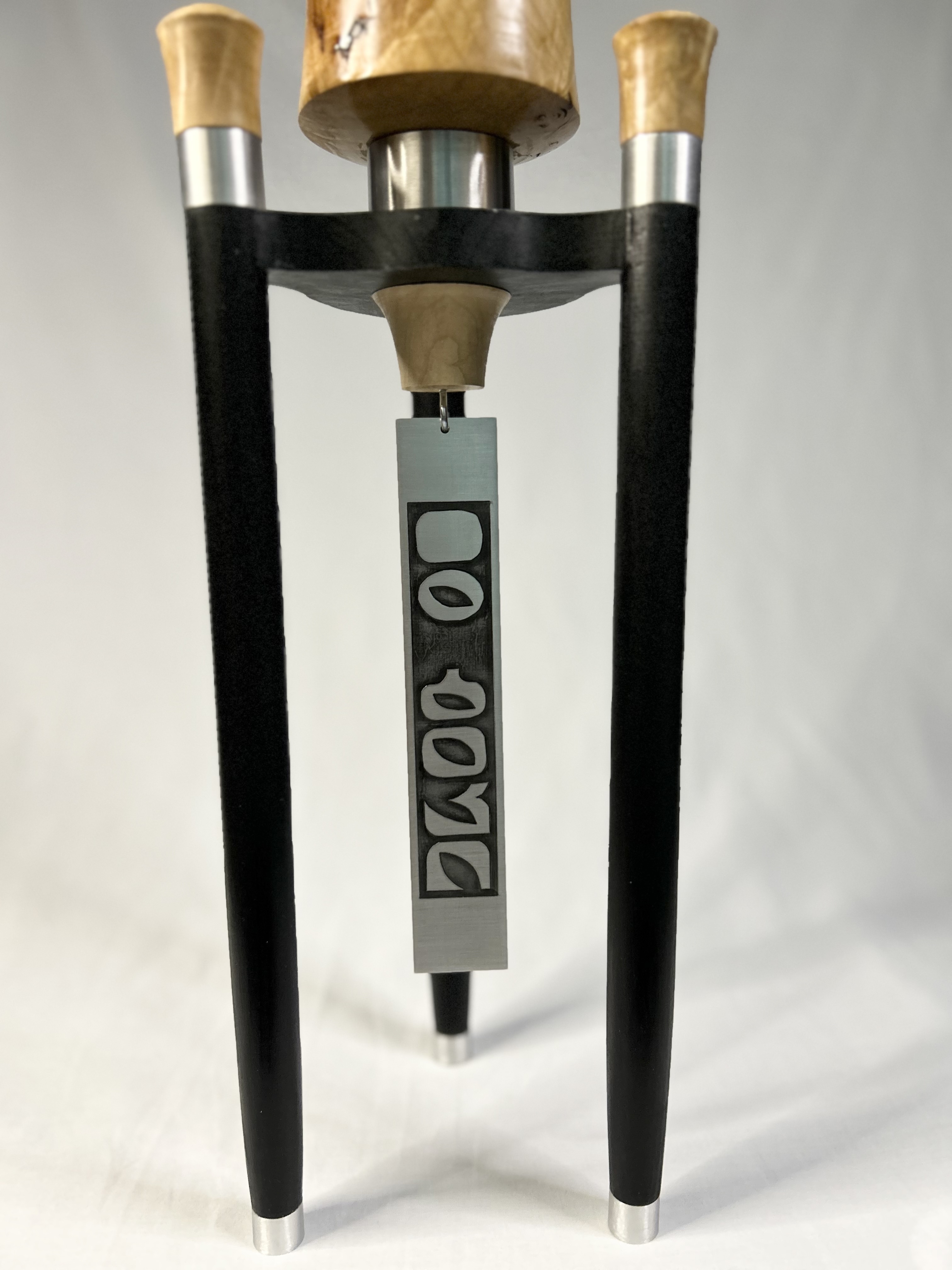
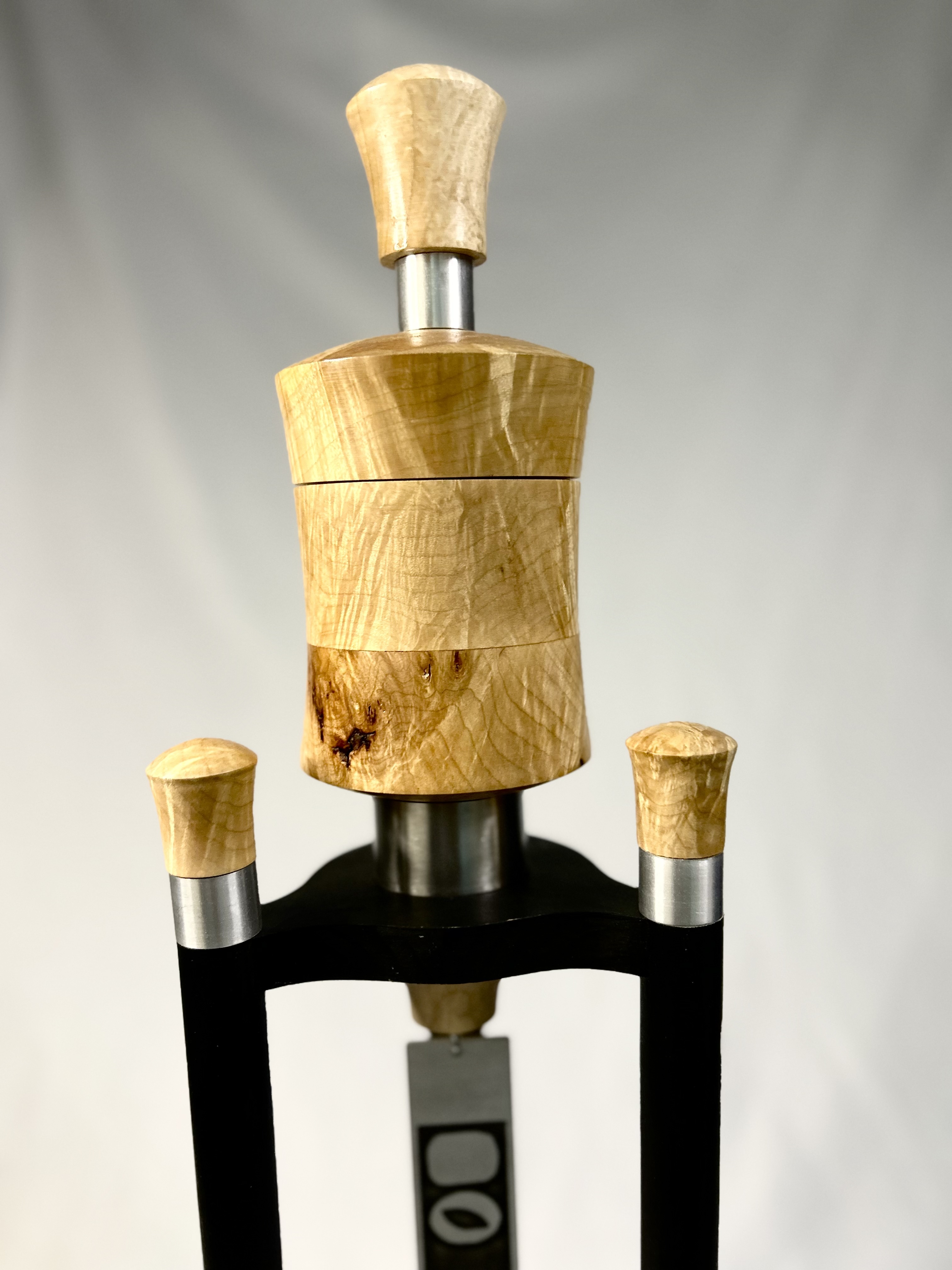
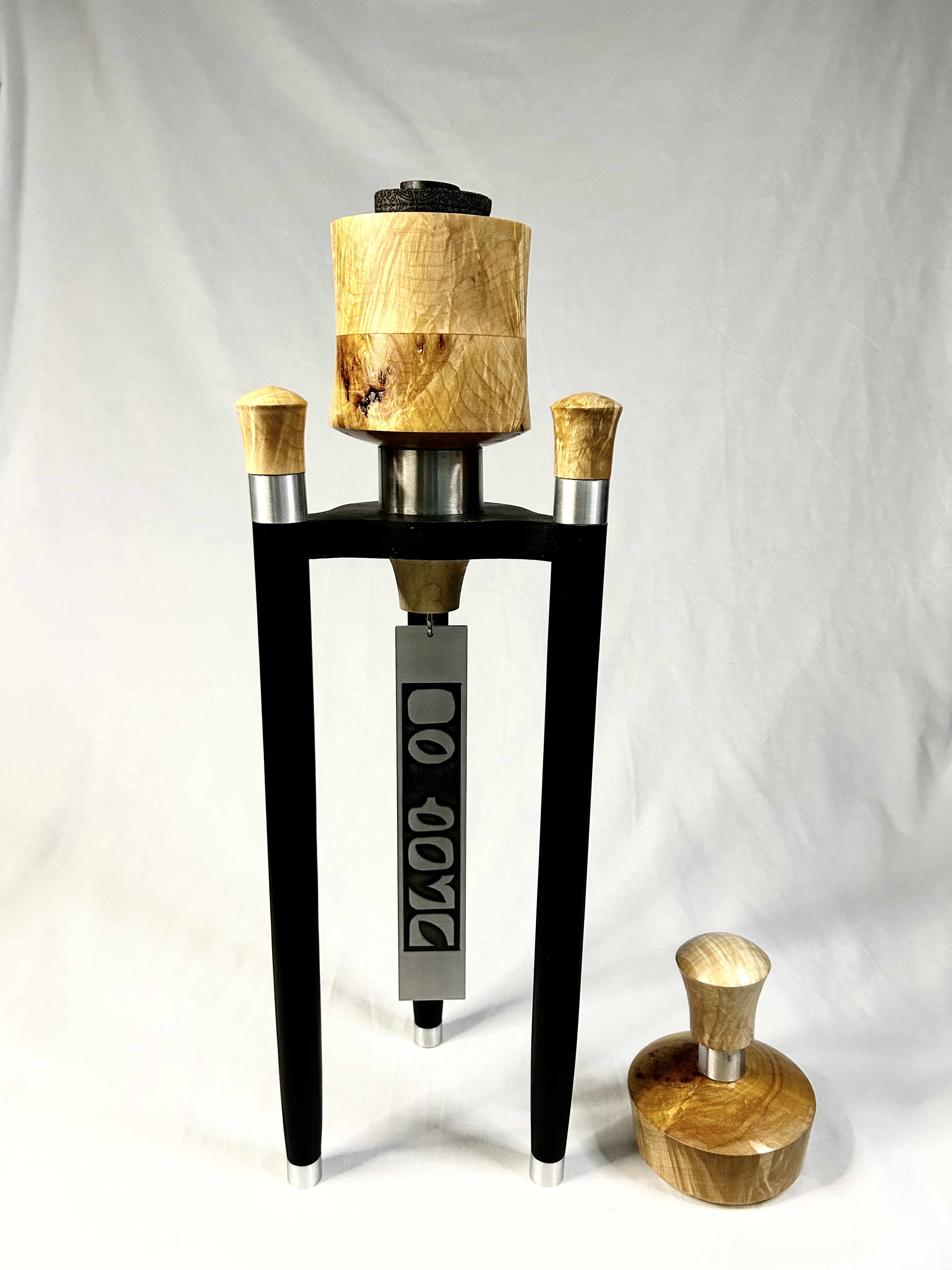
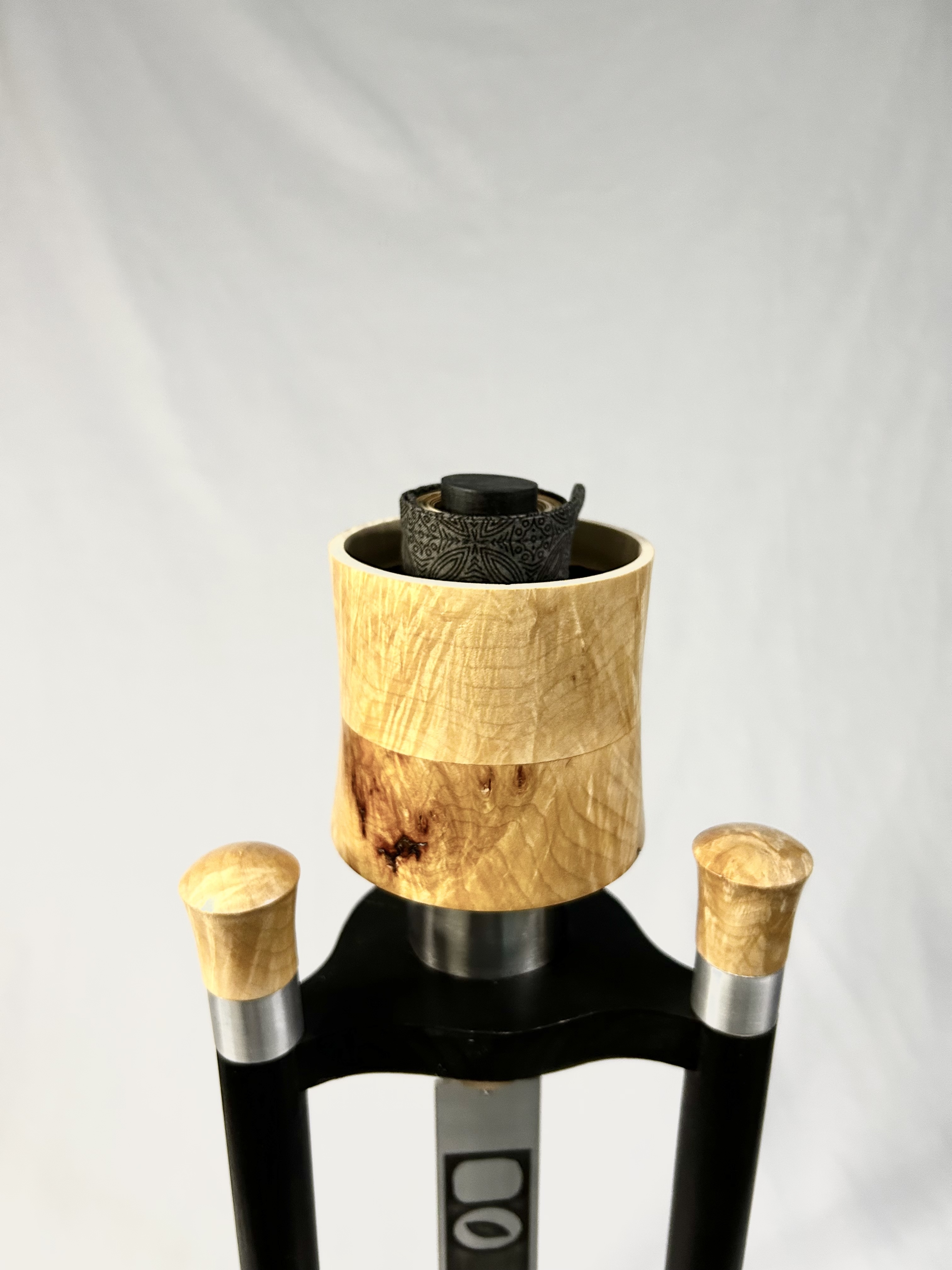
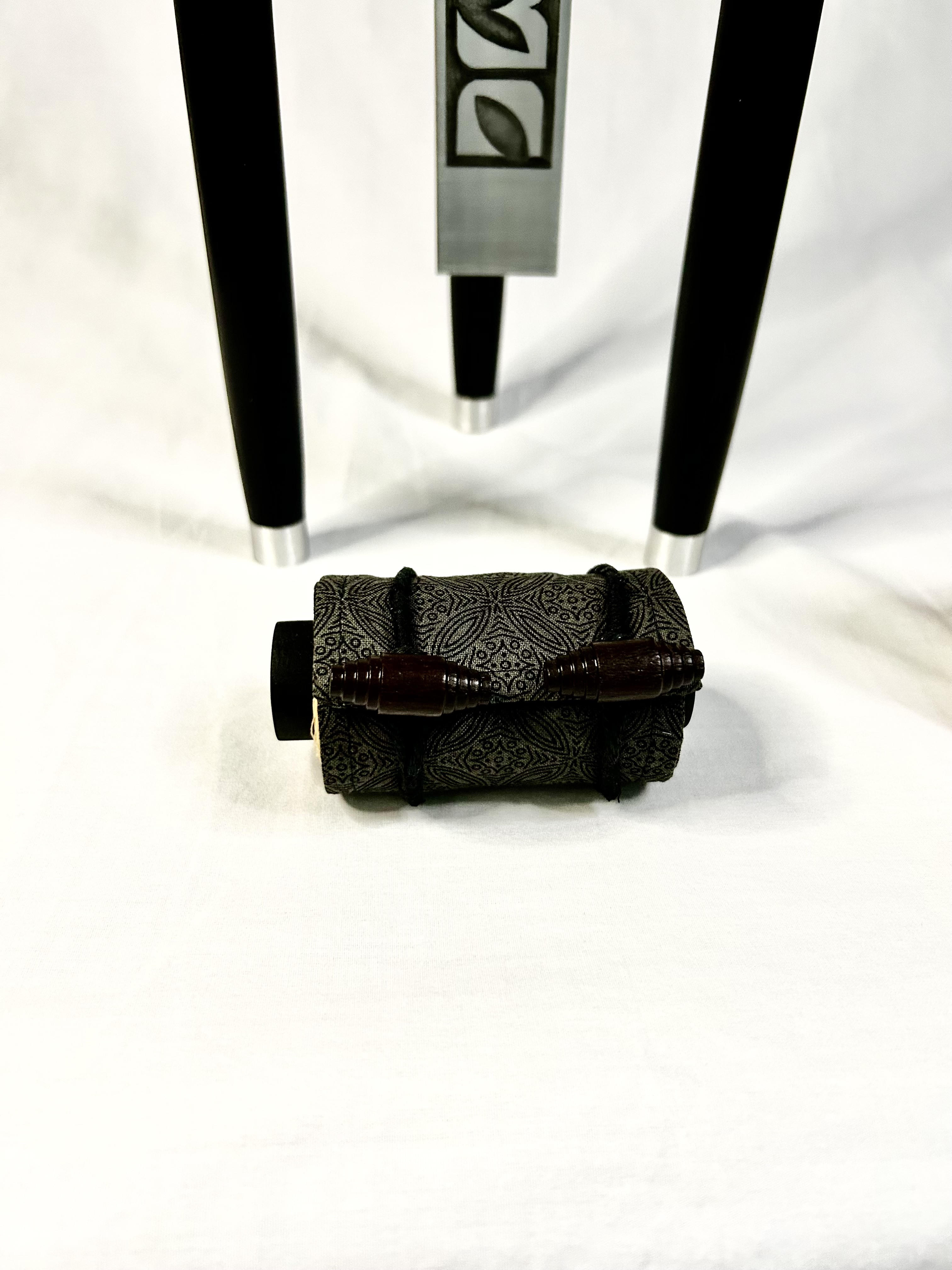
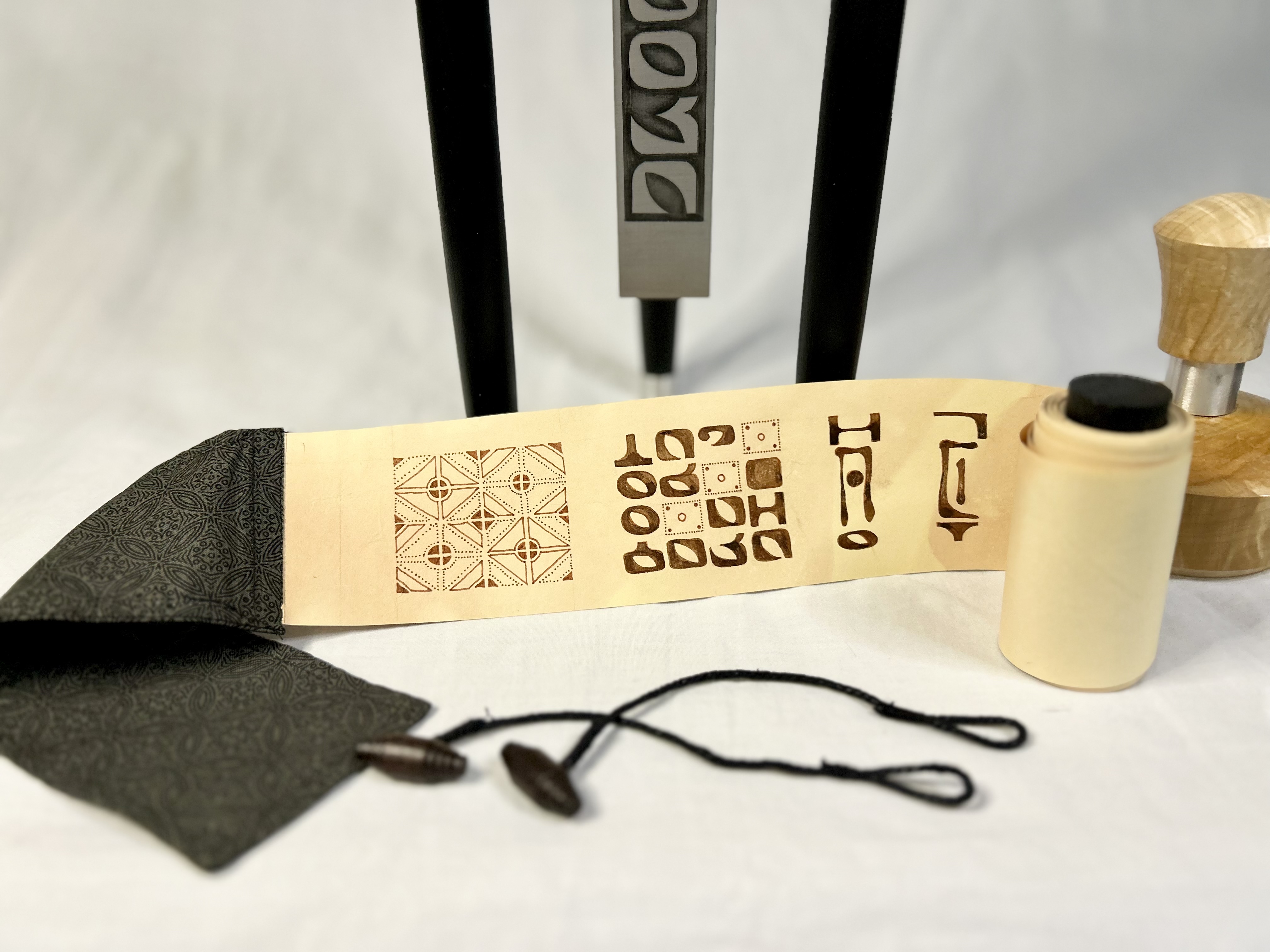
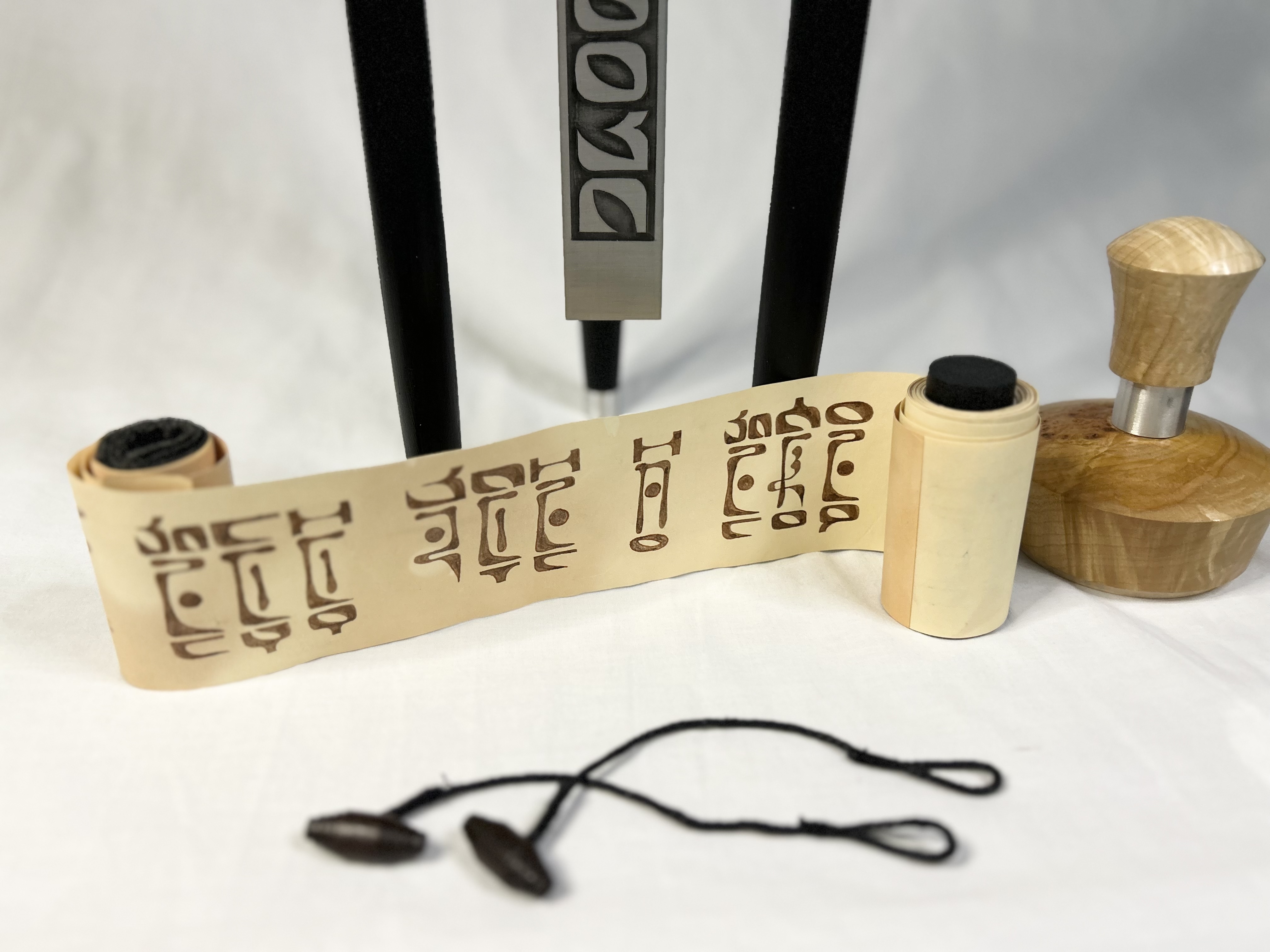
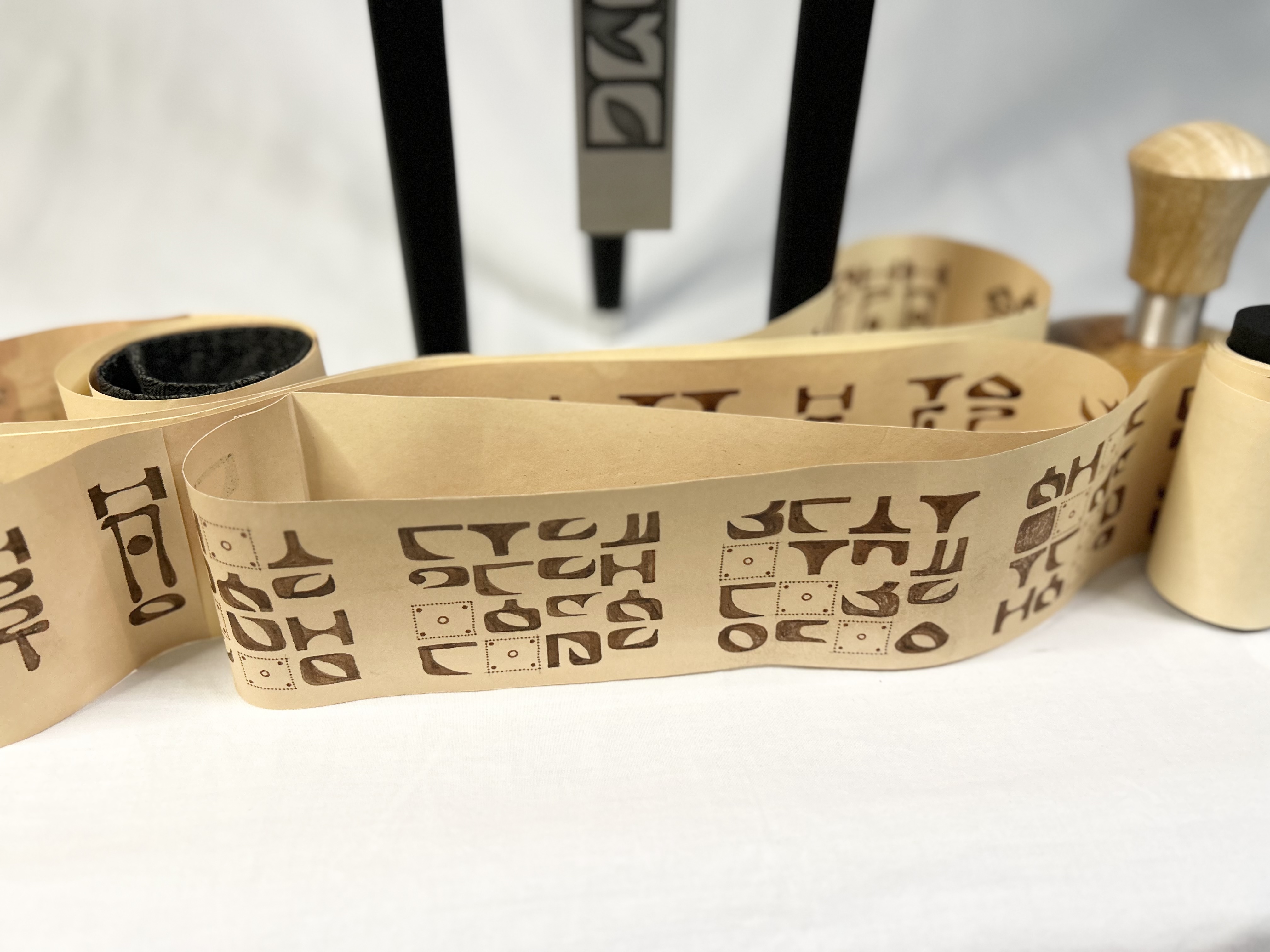
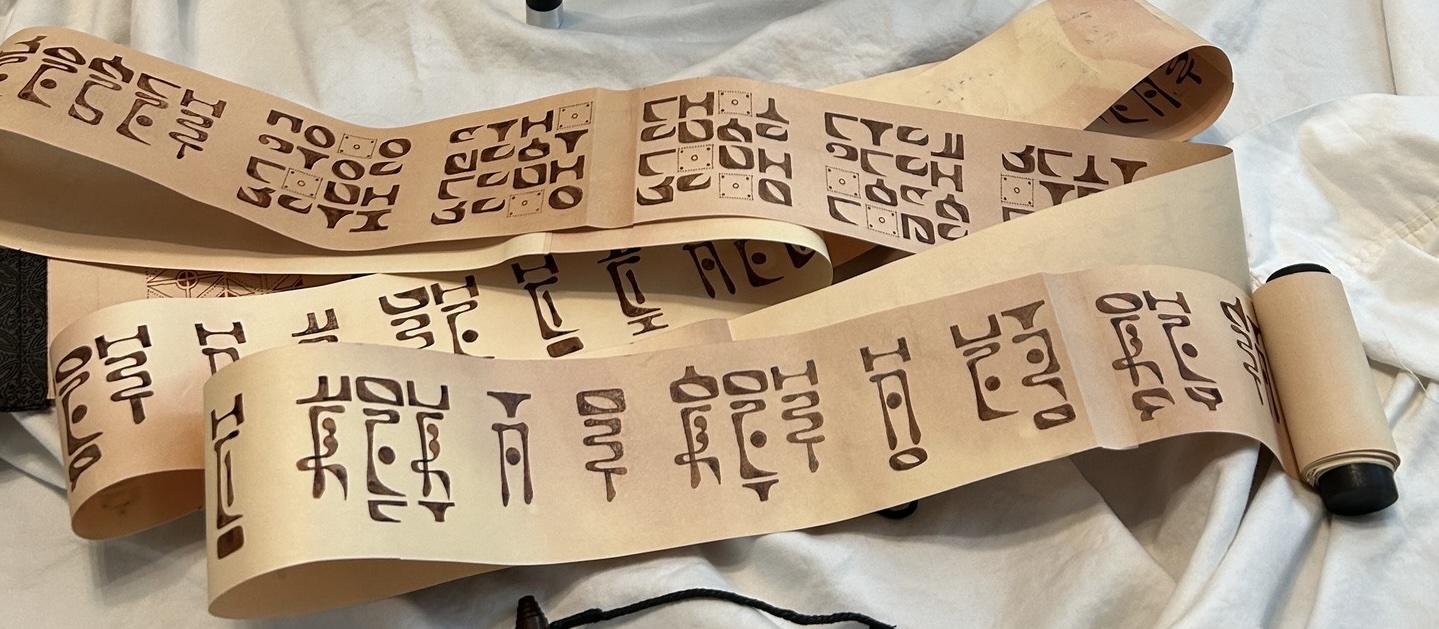
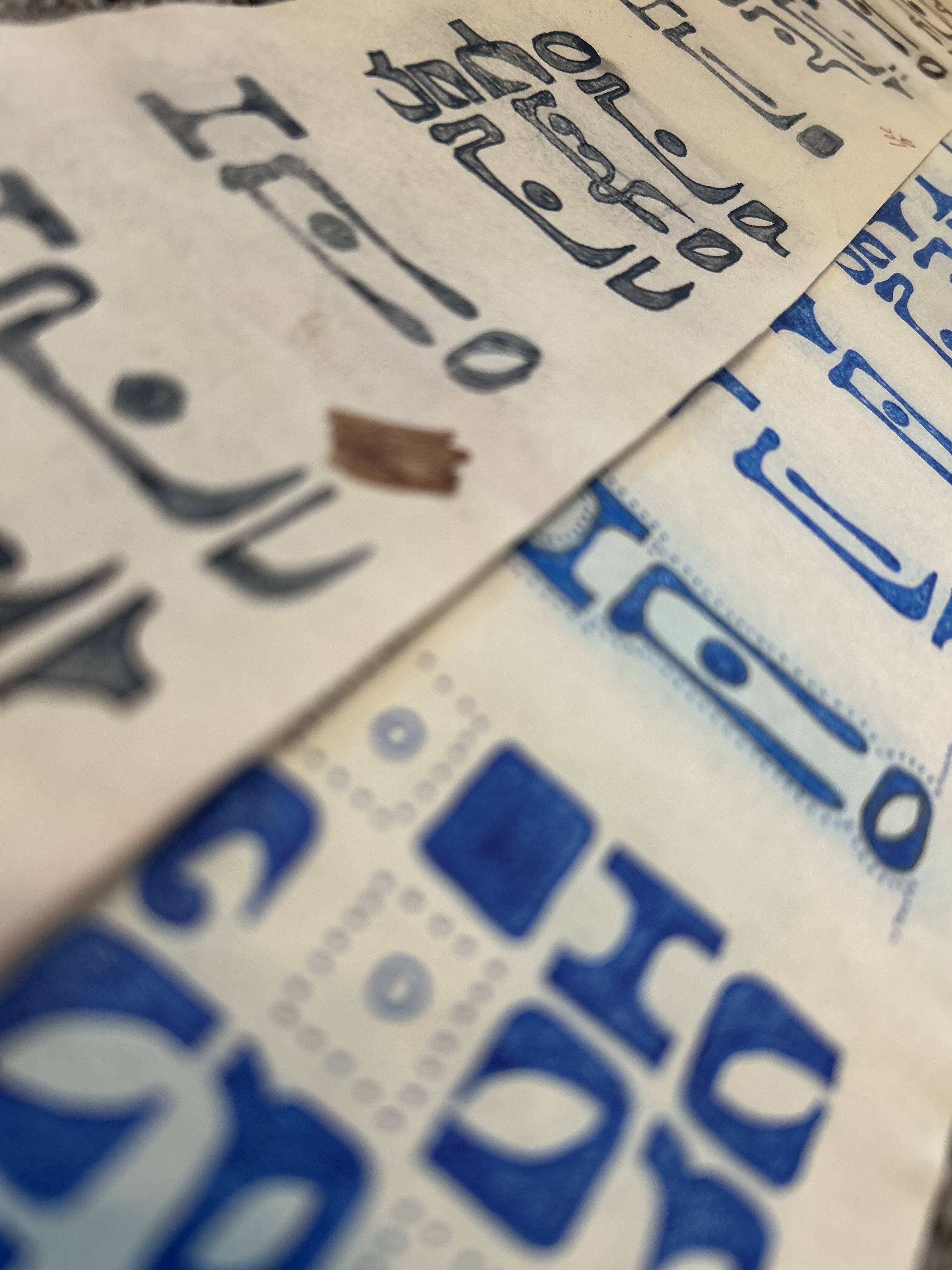
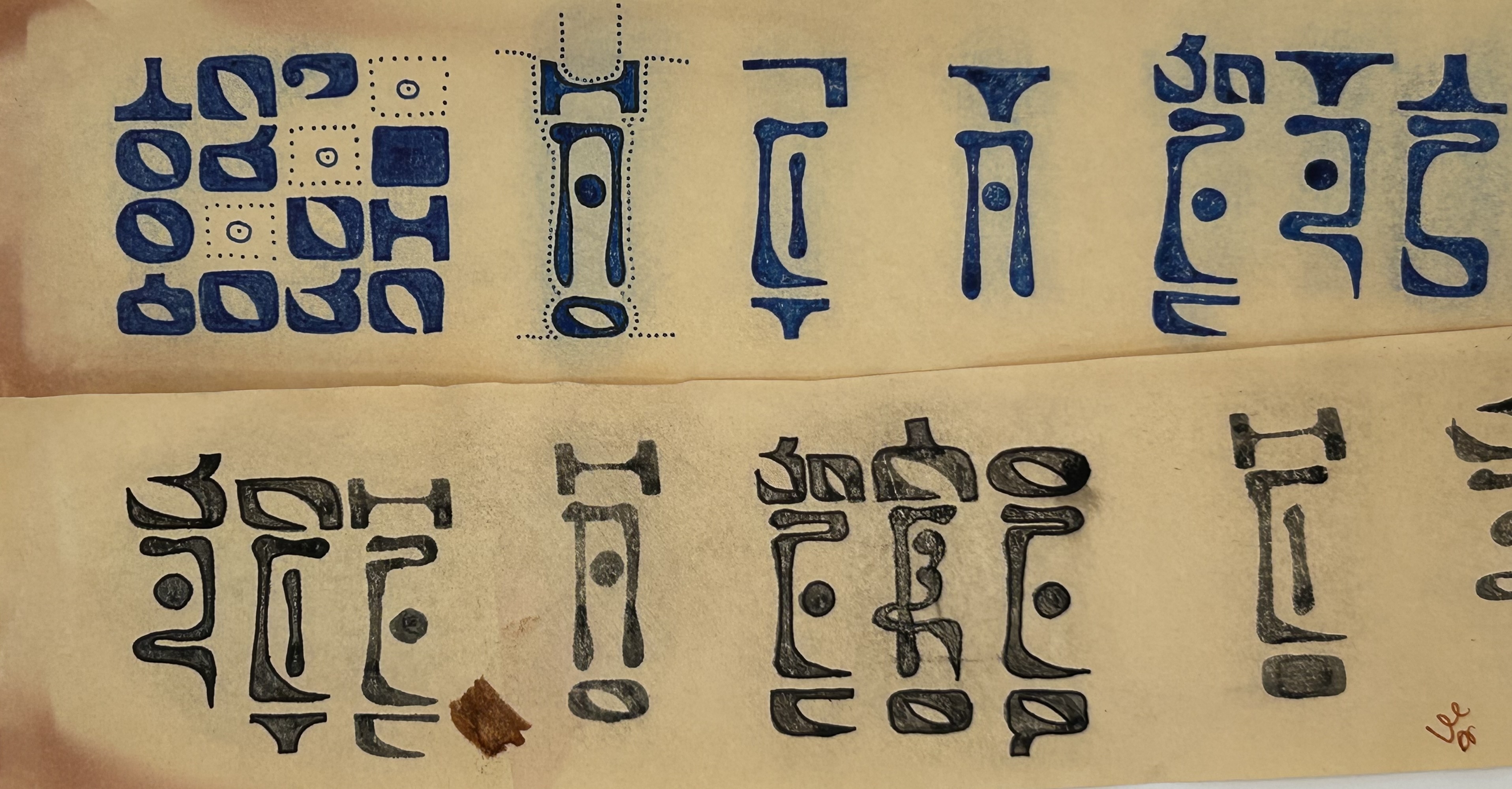
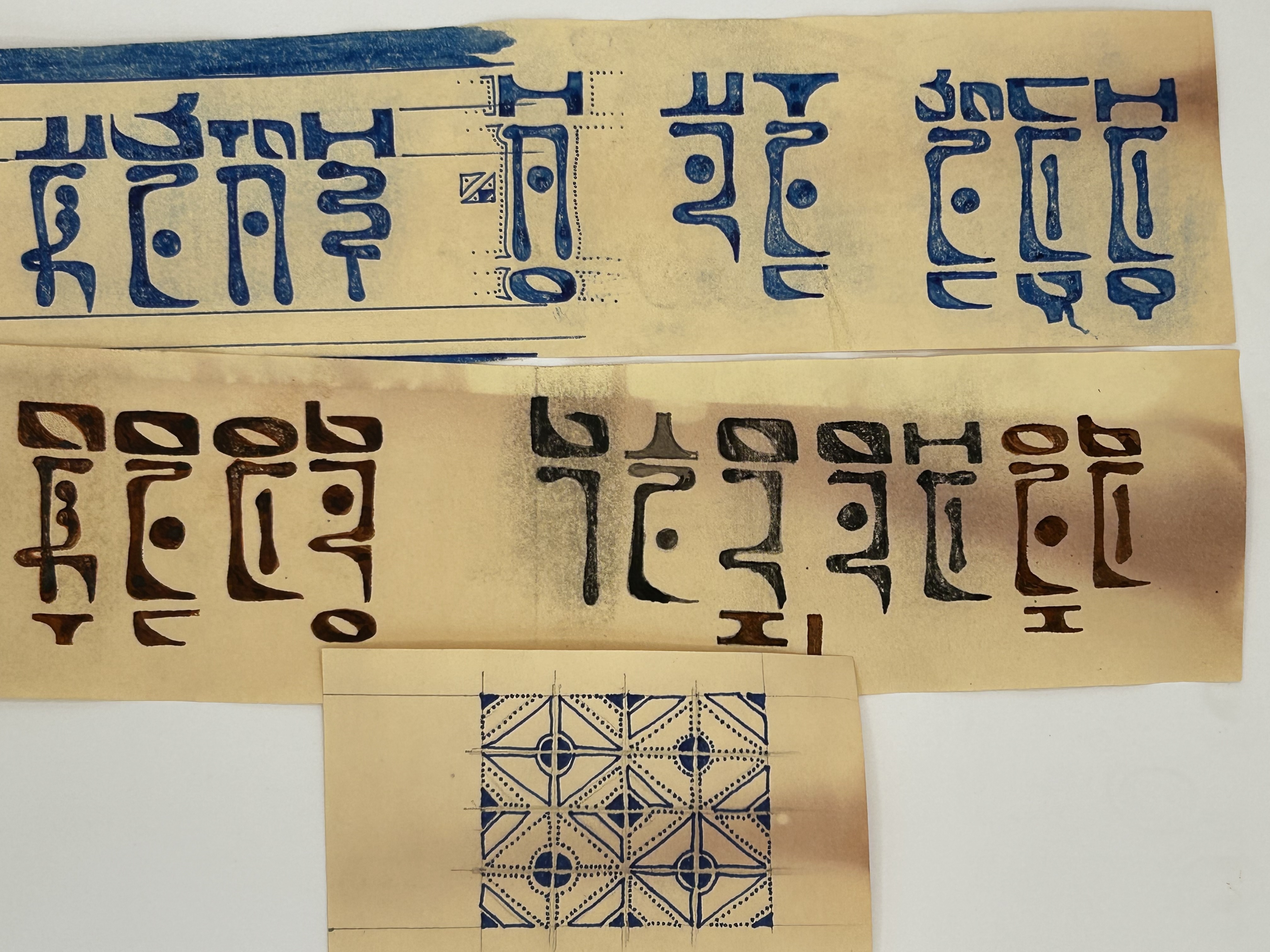
A scroll case and scroll containing the Hrai Mantra, or Khes Menfar.
Explore the Exhibit Bid on This Piece Back About This Exhibit About the Artist
The Hrai Mantra, known as Khes Menfar, meaning “The Romulan Heart,” is an ancient Romulan
poem centered on the concept of the Menfar word hrai, a word meaning “noun,” “name,” and
“secret.”
The three meanings are deliberately intertwined: for the Romulans, a name is not merely a label but
something possessing identity, agency, and the power to conceal or reveal. Romulans have long been
characterized by their secrecy, intrigue, and layered identities, and the hrai embodies this tradition.
It is a self-given name, one that a Romulan may adopt, alter, or discard according to circumstance,
relationship, or purpose.
The Hrai Mantra is a meditation on this ancient tradition and the ethic behind it. Its verses explore
the relationship between identity and secrecy, asking what it means to choose one's own name and to
possess identities composed of compartmentalized and disguised aspects of one's core. Rather than
treating
identity as fixed, the poem presents the hrai as something deliberately constructed and continually
transformed - a means by which a Romulan exercises agency over how they are known and over what remains
hidden. In this sense, the poem becomes both a cultural artifact and a statement of Romulan philosophy.
The project grew directly out of my work expanding the Romulan lexicon for the language I had been
contracted by Paramount to develop. I wanted to create something more than an inventory of words: a
piece
of language in use, capable of testing an expanded use of the language and of conveying a distinctly
Romulan
way of thinking. Khes Menfar became both an exploration of the lexicon and a work of art - a
tangible
artifact intended to give reality and presence to the language, its concepts, and the culture it was
created
to express.
Bid on This Piece